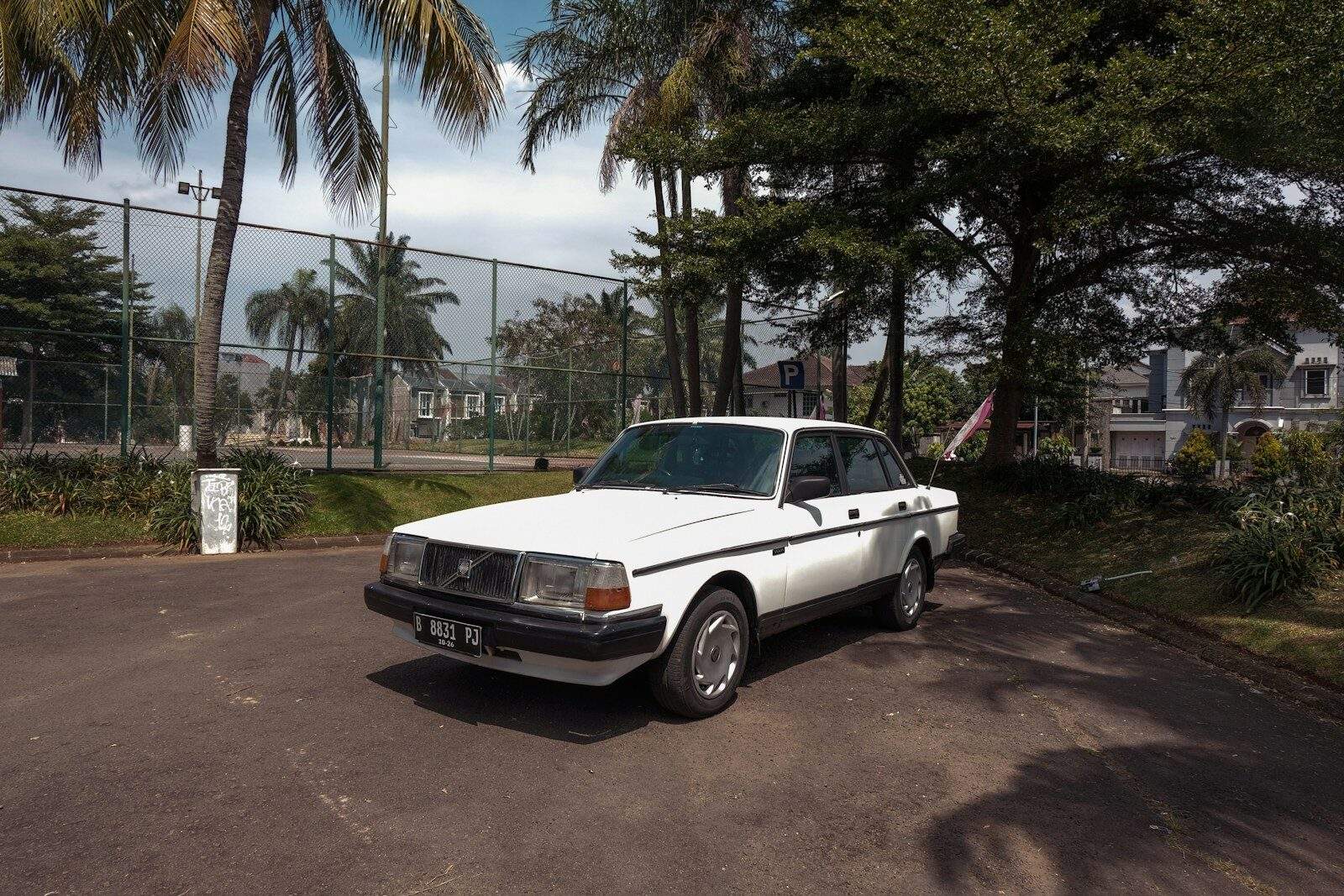
Buying a used car usually saves you a lot of money compared to picking a brand new model today. You still have to consider how you’ll protect that investment if an accident happens on the road now. Many people think gap insurance is only for people who drive off the lot in a brand new vehicle today. You might actually need this coverage for a pre-owned car if you’ve got a specific type of loan now. Standard insurance policies only pay out the actual cash value of the car during a total loss event today. This value is often much lower than the amount you still owe to your bank or credit union now. You’re responsible for paying the difference out of your own pocket if you don’t have extra protection today. This guide will help you determine if used car gap insurance is a smart addition to your policy now.
How Actual Cash Value Affects Your Total Payout
Insurance companies use a specific formula to calculate the worth of your vehicle at the time of a claim today. They look at the local market to see what similar cars are selling for in your specific area now. This number is known as the actual cash value and it’s almost always lower than the retail price today. Used cars continue to lose value every month as you drive them to work and run errands now. Your loan balance stays high during the first few years of the contract due to interest and fees today. This creates a financial gap where you owe more than the car is worth to the insurance company now. You’ve got to be prepared to bridge this gap if your car is stolen or destroyed today. Gap insurance steps in to cover that specific dollar amount so you don’t stay in debt now.
Situations Where Gap Coverage Is a Smart Choice
You don’t always need extra insurance for every used car you buy for your household today. There are specific financial scenarios where this coverage provides the most benefit to a used car buyer now.
- Making a small down payment of less than twenty percent on your used vehicle purchase now.
- Financing a car for a term longer than sixty months through a bank or dealership today.
- Rolling negative equity from a previous car loan into your new used car contract now.
- Driving many miles each year which causes the vehicle’s market value to drop fast today.
- Purchasing a used luxury vehicle that has a very high rate of natural depreciation now.
These factors significantly increase the chances that you’ll owe more than the car’s worth during the loan today. You’re protecting your savings by adding a small monthly fee to your existing insurance policy now.
Steps to Determine if You Need Gap Protection
You should follow a clear process to see if your current used car loan requires extra insurance today. This procedure helps you understand your equity position and your potential financial risk in an accident now.
- Check your current loan balance on your bank’s website or your latest monthly statement today.
- Research the private party and trade-in value of your car using a reputable online guide now.
- Subtract the car’s current value from your total loan payoff amount to find the potential gap today.
- Call your insurance agent to get a quote for adding gap coverage to your existing policy now.
- Compare the cost of the insurance to the size of the financial gap you’ve identified today.
Following these instructions will give you a clear picture of your total financial exposure on the road now. You’ll be able to make an informed decision that protects your bank account from a sudden loss today.
Evaluating Different Sources for Gap Insurance Policies
You can buy gap coverage from several different places when you’re finalizing your used car purchase today. The most common option is to buy it through the finance office at the dealership during the sale now. Dealers often charge a flat fee of several hundred dollars and roll it into your car loan today. This means you’re paying interest on the insurance premium for the next five or six years now. A better path is to check with your own car insurance company for a monthly add-on today. Most major insurers offer this protection for just a few dollars extra on your monthly bill now. You’ve got the ability to cancel the coverage once you have positive equity in the car today. This saves you a significant amount of money compared to the dealer’s expensive one-time fee now.
The Role of Total Loss Protection in Your Budget
You’ve got to think about what would happen if you suddenly lost your car and still owed money today. Most people can’t afford to pay off a five thousand dollar loan balance for a car they can’t drive now. This is where having total loss protection becomes a vital part of your personal financial safety net today. You should understand how total loss protection works with your standard collision and comprehensive coverage policies right now. This extra layer of security ensures that you can start over with a new car without a lingering debt today. You’re making a choice to protect your credit score and your future buying power with this insurance now. Many lenders actually require this coverage if you have a high loan-to-value ratio on your application today. It’s a small price to pay for the peace of mind that comes with knowing you’re fully covered.
When You Can Safely Drop Your Gap Coverage
You shouldn’t keep gap insurance for the entire length of your used car loan in most cases today. You only need the protection while your loan balance is higher than the car’s actual market value now. As you make your monthly payments, the amount you owe will eventually drop below the car’s worth today. You should monitor your vehicle’s value every six months to see if you’ve reached this milestone now. Once you have positive equity, the gap insurance no longer provides any benefit to you today. You can call your insurance provider and ask them to remove the coverage from your policy now. This small step reduces your monthly expenses and keeps your insurance costs as low as possible today. You’re managing your finances like a pro by paying only for the protection you actually need now.
Frequently Asked Questions
How does gap insurance actually protect me if my used car is totaled? Standard insurance only pays out the actual cash value, what your car is worth on the local market, not what you still owe the bank. If your loan balance is higher than that value, you’re on the hook for the difference out of pocket unless you have gap coverage. Gap insurance covers exactly that dollar amount so you’re not left paying for a car you no longer have.
How do I know if I actually need gap insurance on a used car? You’re a likely candidate if you put down less than twenty percent, financed for longer than sixty months, rolled negative equity from a previous loan into this one, or drive a lot of miles a year. Check your current loan balance against your car’s private party value, if your balance is meaningfully higher, that’s your gap, and it’s worth getting a quote to cover it.
When should I buy gap insurance, and when should I drop it? Buy it when you sign the loan if any of the risk factors above apply to you. Drop it once your loan balance falls below the car’s actual value, which usually happens naturally as you keep making payments. Check your vehicle’s value against your payoff amount every six months or so, once you have positive equity the coverage isn’t doing anything for you anymore.
What’s a common mistake buyers make when getting gap insurance? Buying it through the dealership’s finance office is the most expensive mistake, since dealers often charge a flat fee of several hundred dollars and roll it into your loan, meaning you pay interest on the insurance premium for years. Calling your own insurance company for a monthly add on usually costs just a few dollars a month and you can cancel it anytime.
What if I already have positive equity in my used car, do I still need gap insurance? No, once your loan balance is at or below the car’s actual value you don’t need it anymore, since there’s no longer a gap for the coverage to fill. Call your insurance provider and ask them to remove it from your policy, that alone reduces your monthly premium. Just check your numbers carefully before dropping it if you rolled in negative equity or are financing for a long term.
Leave a Reply