7 min read · Last updated August 19, 2026
- The FTC’s Consumer Sentinel Network logged more than 27,000 fake check reports in 2019 with losses topping $28 million, and in 18% of those reports the check arrived as payment for something the victim sold online.
- Federal funds-availability rules require banks to make deposited funds available within days, but a counterfeit check can take weeks to be discovered, which is the exact gap every private-sale payment scam exploits.
- Four payment patterns cause nearly all private-sale fraud: a counterfeit cashier’s check, a peer-to-peer transfer funded by a compromised account that later gets reversed, a spoofed escrow or payment site, and the classic “I overpaid, please refund the difference” request.
- Closing the sale inside the buyer’s own bank branch, where a teller verifies the check or confirms a wire has actually settled before you hand over keys or sign the title, removes all four risks at once.
In this article
- Why the money showing up proves nothing
- The four payment-fraud patterns that actually show up
- Why the seller carries the loss in every one of them
- The bank-lobby close that removes all four at once
- Frequently asked questions
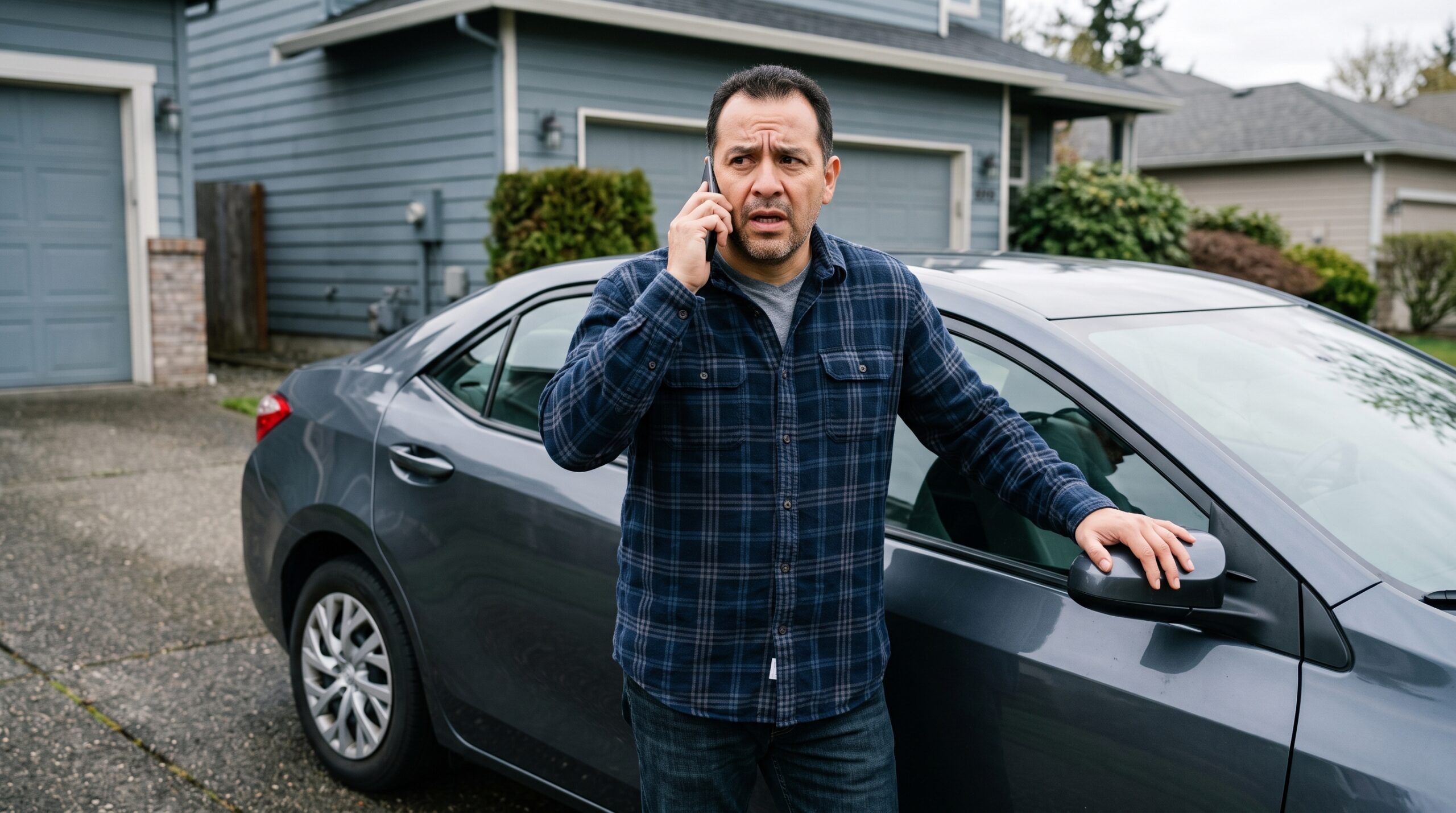
Renata sold her 2014 Toyota Sienna for $9,200 to a buyer who paid with what looked like a cashier’s check. Her bank showed the funds as available Friday afternoon, so she signed the title and handed over the keys. The following Tuesday her bank reversed the deposit: the check was counterfeit, and she was out both the van and the $9,200. Payment isn’t the only pre-closing risk sellers face; a buyer’s inspection request raises its own question of who pays for a pre-purchase inspection.
Why the money showing up proves nothing
Banks are required to make deposited funds available to you within a set number of days under federal funds-availability rules, regardless of whether the check has actually cleared the account it was drawn on. Verifying that a check is genuine can take weeks. That gap between “available” and “verified” is the entire scam: the FTC’s own complaint data shows more than 27,000 fake check reports in 2019 alone, with losses topping $28 million, and 18% of those victims had been paid for something they sold online, exactly this scenario. The FTC’s guide to fake check scams puts it plainly: fake checks generally look just like real checks, even to bank employees, because they’re often printed with the names and addresses of legitimate financial institutions. By the time your bank identifies the check as fake, you’ve already released the car, and you owe the bank back every dollar you were allowed to withdraw.
The four payment-fraud patterns that actually show up
A counterfeit cashier’s check. The buyer hands over what looks like an official bank check for the agreed price. It deposits normally and shows as available within days. Weeks later, the issuing bank flags it as fake, and your bank pulls the money back out of your account.
A peer-to-peer transfer funded by a compromised account. Zelle, Venmo, and Cash App transfers move in minutes and feel final the moment they land. But if the buyer funded that transfer using a stolen login or a stolen card, the real account owner can later report it, and federal Regulation E treats a transaction made without the account holder’s actual authority as unauthorized, meaning it gets reversed, sometimes days after you’ve already handed over the car. Consumer Reports’ review of peer-to-peer payment policies confirms the mechanism directly: a transaction made from a stolen device or password is unauthorized and covered by liability protections, which is exactly the reversal risk on the receiving end.
A spoofed escrow or payment site. The buyer insists on routing payment through an “escrow” or “buyer protection” service, often one that mimics a real, recognizable brand. You wire your side of a fee, or the buyer’s “payment” never actually exists outside the fake site’s dashboard, and the operator disappears once you’ve released the car.
Overpayment, then a refund request. This is the pattern the FTC has specifically flagged for online car sellers: the buyer sends a check for more than the agreed price and asks you to wire back the difference. As the FTC’s February 2025 alert to online car sellers describes it, “the ‘buyer’ says they ‘accidentally’ overpaid and asks you to send the extra money back. But if you do, the buyer and the money will be gone.”
Why the seller carries the loss in every one of them
In each pattern, you’re the one receiving a payment that later gets clawed back, and banking rules put the burden on the account holder who benefited from funds that turn out to be fraudulent, not on the bank that made them briefly available. The FTC is direct about the ending: “you’ll have to repay the bank, too.” That’s true whether the instrument was a fake check, a reversed transfer, or a wire routed through a fake escrow site. The car and the title are already gone by the time any of the four resolves.
| Payment method | Verifiable in real time? | Can it be reversed after you release the car? | Best for |
|---|---|---|---|
| Cash | Yes, on the spot | No | Any private sale, if the amount is one you’re comfortable handling in person |
| Personal check | No | Yes, easily | Never, for a stranger you met online |
| Cashier’s check (not verified with the issuing bank) | No | Yes, for weeks after deposit | Never on its own |
| Cashier’s check verified in person at the issuing bank | Yes, by the issuing teller | Effectively no, once confirmed genuine | Higher-value sales where cash isn’t practical |
| Peer-to-peer transfer (Zelle, Venmo, Cash App) | Appears instant, but not verified | Yes, if the funding source was compromised | Buyers and sellers who already know and trust each other |
| Wire transfer confirmed settled by your own bank | Yes, once your bank confirms final settlement | No, once fully settled | Larger private sales where an in-person close isn’t possible |
The bank-lobby close that removes all four at once
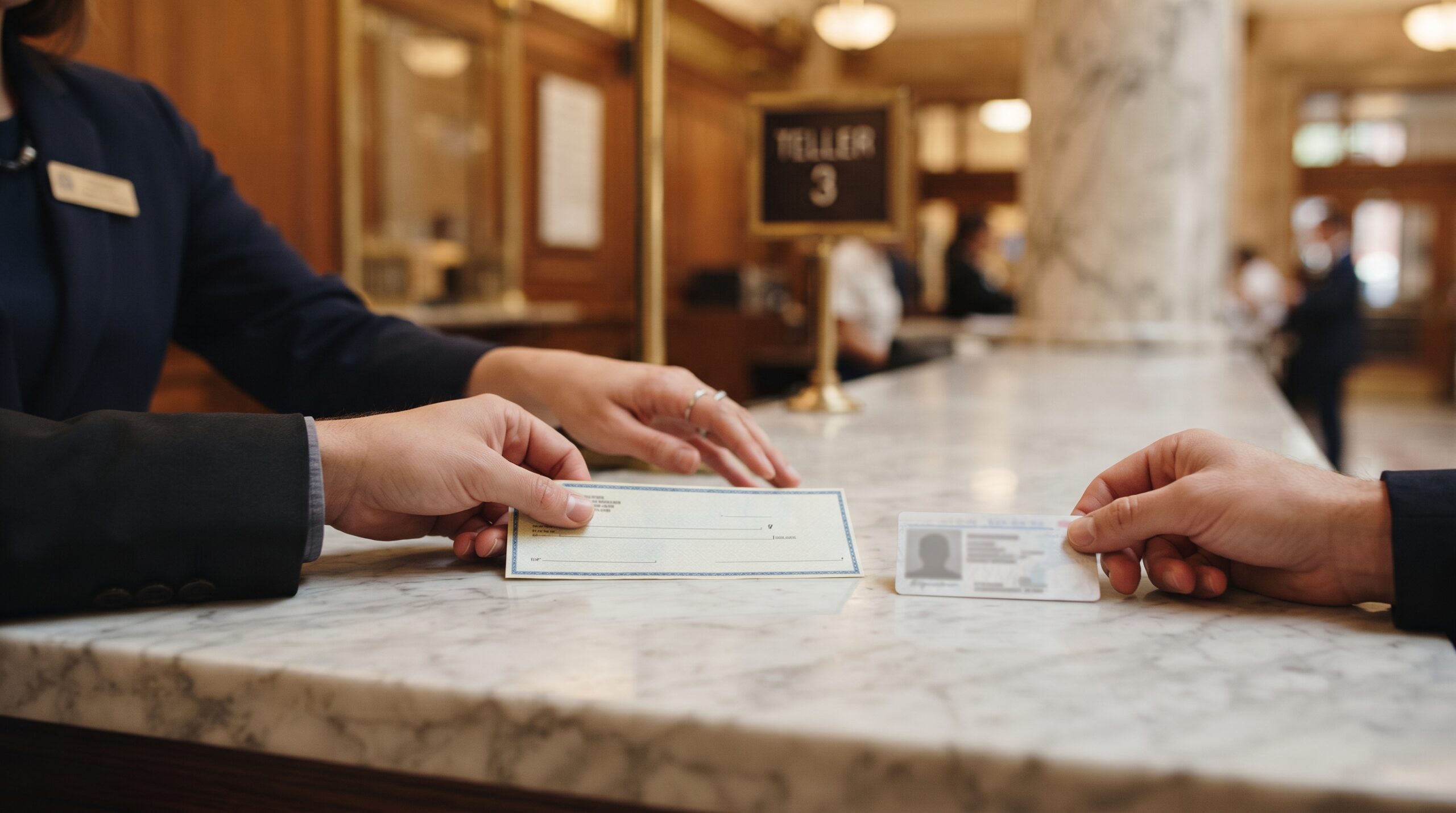
The single move that eliminates every pattern above: close the sale inside the buyer’s own bank branch. Have the buyer’s bank issue the cashier’s check in person and have a teller confirm it’s genuine before you sign anything, or have your own bank confirm a wire has fully settled, not merely “in process,” before you release the keys and title. That removes the counterfeit-check risk (the issuing bank vouches for its own instrument on the spot), the reversed-transfer risk (a settled wire can’t be clawed back the way a compromised P2P transfer can), the spoofed-escrow risk (no third-party site is involved at all), and the overpayment risk (you agree to and confirm one exact figure with a bank employee present). It costs you a drive to the bank. It costs the scam its entire mechanism.
If you’re also sorting out a lien or a branded title on the vehicle, or an open safety recall you haven’t closed yet, handle that paperwork before you ever discuss payment method, so a legitimate buyer isn’t the one left waiting at the bank counter while you track down a lienholder.
Frequently asked questions
Can a cashier’s check really be fake? Yes. Fake cashier’s checks are printed with real bank names and routing numbers and can pass a teller’s initial glance. Your bank may make the funds available within days while the issuing bank takes weeks to identify it as counterfeit, and you’re on the hook once it does.
If a Zelle or Venmo payment already shows in my account, can it still be taken back? Yes, if the buyer funded that transfer with a stolen login or a stolen card. Once the real account owner reports it, the transaction is treated as unauthorized under federal rules and can be reversed, sometimes after you’ve already handed over the vehicle.
What if the buyer wants to use an escrow service? Verify it yourself, independently, before agreeing. Look up the company by name plus “review” or “complaint,” call a phone number you found on your own, not one the buyer sent you, and never wire a “fee” to release funds you haven’t independently confirmed exist.
Is it safe to accept a wire transfer? It’s safe once your own bank confirms the wire has fully settled, not merely that it’s “pending” or “in process.” A settled wire is final. A wire still processing can still be recalled by the sender’s bank.
What’s the safest way to get paid for a private car sale? Cash for smaller amounts, or a cashier’s check issued and verified in person at the buyer’s own bank branch for larger ones. Both let you confirm the money is real before you hand over the keys, instead of finding out after.
Leave a Reply