6 min read · Last updated October 19, 2026
- Massachusetts is still the only state with an enacted automotive right-to-repair law, codified as General Laws Chapter 93K. Its telematics provision is tied up in a federal court challenge argued in February 2026.
- The federal Right to Equitable and Professional Auto Industry Repair Act, known as the REPAIR Act (H.R. 1566), was introduced in February 2025. It was forwarded by a House subcommittee to the full committee in February 2026, but has not passed the House or Senate and is not law.
- The National Automotive Service Task Force (NASTF) runs the Secure Data Release Model, the credentialing system shops use for security-gated work. That includes immobilizer resets and key programming, work independent shops and locksmiths need vetted access to perform.
- Advanced driver assistance system (ADAS) calibration, module reprogramming, and immobilizer or key work are the repairs most likely to need original equipment manufacturer (OEM) software your shop may not carry.
No federal right-to-repair law for cars exists yet, and Massachusetts remains the only state with one actually on the books. That is why “we don’t have the software for that” is still a real, legal limit on certain repairs.
In this article
- What “We Don’t Have the Software for That” Really Means
- The One State With a Right-to-Repair Law for Diagnostic Software
- What to Ask Before You Say Yes to the Repair
- When a Dealer Trip Really Is Unavoidable
- Frequently asked questions
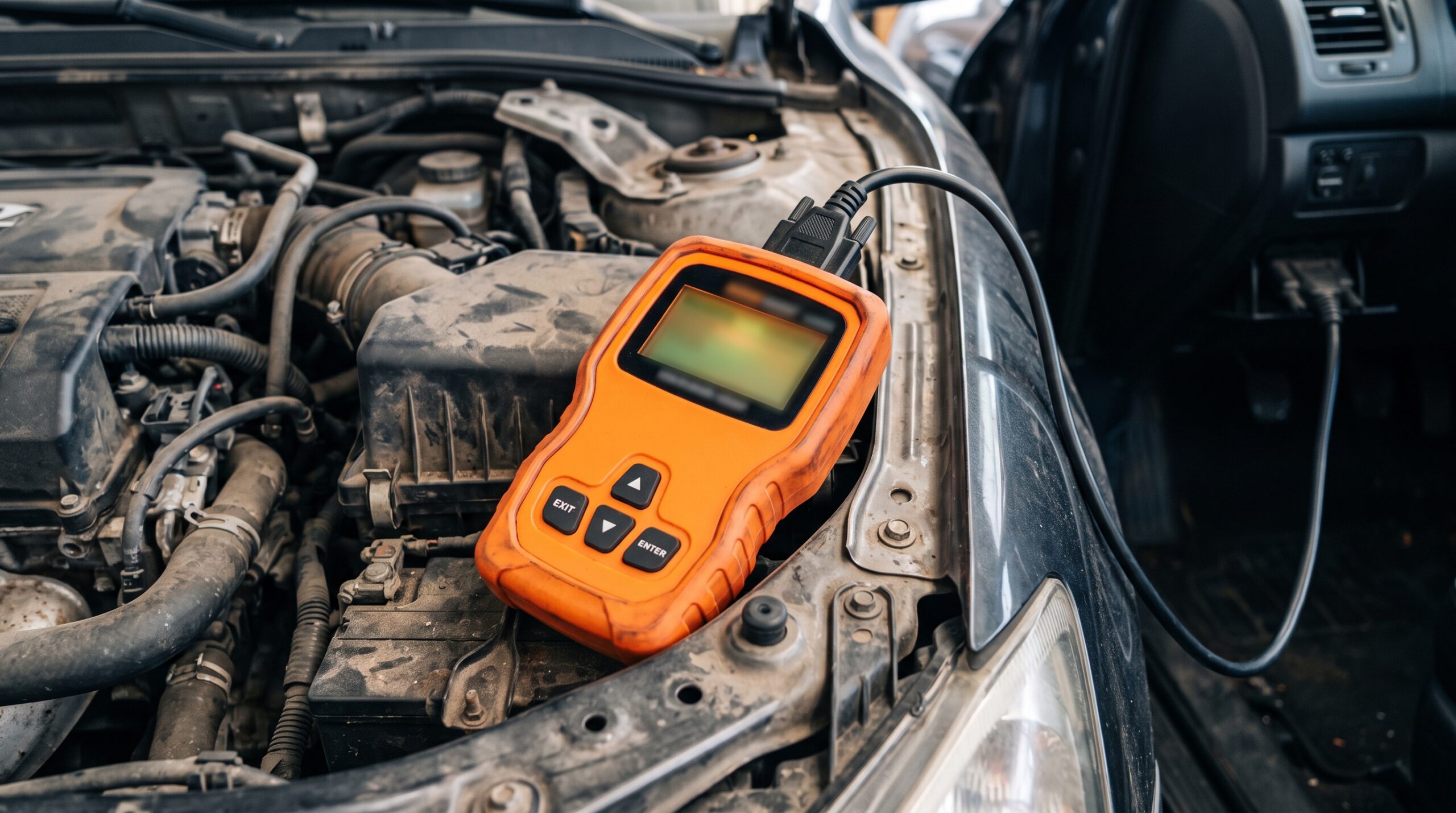
Your independent shop pulls a code, then tells you the fix has to go through the dealer. Massachusetts is still the only state that requires manufacturers to share that repair access, and nothing federal forces it anywhere else. That is usually not a stall tactic: it is a software or credentialing wall the shop genuinely cannot get past for this specific job.
What “We Don’t Have the Software for That” Really Means
Every automaker builds its own scan-tool software and sells access to it separately from any generic diagnostic tool. A shop can own a capable universal scanner and still lack the specific manufacturer portal subscription needed for, say, a particular brand’s module programming or key-security procedure.
NASTF, the National Automotive Service Task Force, exists because of this exact problem. It runs the Secure Data Release Model, the system a shop uses to earn Vehicle Security Professional (VSP) status. That status gives vetted access to security-related work like immobilizer resets and key programming, and it replaces every automaker building its own closed process from scratch.
Advanced driver assistance system (ADAS) calibration after a windshield or bumper repair runs into a similar wall. Some calibrations work with a generic target board a shop can buy once and reuse. Others require manufacturer-specific targets, floor space, and lighting setups that only a dealer service bay is built for.
None of this means your mechanic is unskilled. It means the manufacturer, not the shop, decided which doors open with which key.
The One State With a Right-to-Repair Law for Diagnostic Software
Massachusetts is the only state with an enacted right-to-repair law written specifically for cars. Voters passed it as a 2020 ballot measure, now codified as Massachusetts General Laws Chapter 93K.
The law requires manufacturers to give independent shops the same diagnostic and repair information they give dealers. One carve-out exists: security-related information, like immobilizer resets, can be withheld from general release and routed instead through NASTF’s Secure Data Release Model.
The law also added a separate telematics rule. Starting with model year 2022, cars with telematics systems must offer an open, standardized data platform that an owner can authorize an independent shop to use.
That telematics piece is still contested. Automakers sued over it in Alliance for Automotive Innovation v. Campbell, arguing federal vehicle-safety rules override the state law. The case is now before the First Circuit Court of Appeals, argued in February 2026, with no ruling issued yet.
Every other state right-to-repair bill you have heard about is a proposal, not a law.
| Repair type | Typically shop-doable | Typically needs OEM software or a dealer |
|---|---|---|
| Diagnostic trouble code read and basic troubleshooting | Yes, with a standard scan tool | Rarely |
| Brakes, suspension, exhaust, routine maintenance | Yes | Rarely |
| ADAS calibration after glass or bumper work | Sometimes, if the shop owns the right target equipment | Often, when calibration needs manufacturer-specific targets |
| Control module programming or firmware updates | Rarely without an OEM subscription | Usually |
| Key fob or immobilizer programming | Only with NASTF VSP credentials for that brand | Often, unless the shop is enrolled |
What to Ask Before You Say Yes to the Repair
Before a shop starts a job that smells like a software problem, ask one direct question. Do they have OEM access for this specific make, model, and procedure, not just a general subscription covering most of what they see?
Ask whether the job happens in-house or gets sublet, to a dealer, a mobile programming specialist, or a NASTF-credentialed locksmith. A sublet job usually means an added line item on your bill and a second appointment. Nobody can quote an exact number before the car is on the lift.
If the fix involves swapping a control module instead of reprogramming the existing one, you are back in the usual aftermarket-versus-OEM parts conversation. That includes how a replacement part’s warranty changes depending on your car’s age.
A shop that answers these questions clearly, before touching the car, is the one worth trusting with the next job too.
When a Dealer Trip Really Is Unavoidable
Some jobs are dealer-only in practice, not just at your shop. Security-gated procedures like immobilizer resets and new key programming almost always require NASTF-vetted access, which many small independent shops never bother getting because the volume does not justify the cost.
ADAS calibrations that need manufacturer-specific equipment or a controlled space fall in the same bucket. So do the rare software updates a manufacturer restricts to dealer-only tools for liability reasons.
Everything else, brakes, suspension, exhaust, routine diagnostics, electrical troubleshooting, belongs to your independent shop or even a mobile mechanic working out of your driveway. The dealer-only list is short. It is just expensive and annoying when your repair happens to land on it.
Frequently asked questions
Is there a federal right-to-repair law for cars? Not yet. The REPAIR Act (H.R. 1566) was introduced in the House in February 2025. It advanced out of a subcommittee markup in February 2026, but has not passed the full House or Senate. Until Congress passes something, there is no national automotive right-to-repair statute, only state rules and voluntary agreements.
Which state has an actual right-to-repair law for cars? Massachusetts, under a 2020 ballot measure now codified as General Laws Chapter 93K. It requires manufacturers to give independent shops the same diagnostic and repair access as dealers, plus open telematics access on 2022-and-newer models. A federal court challenge over the telematics part is still pending.
Why would my independent mechanic need the dealer for a diagnostic job? Some procedures, like module reprogramming or immobilizer and key work, are gated behind manufacturer-specific software subscriptions or security credentialing. If a shop has not paid for that specific OEM access, or is not enrolled in NASTF’s credentialing system, they genuinely cannot do the job themselves.
Does “we don’t have the software for that” mean the shop is cutting corners? Usually not. Manufacturer software subscriptions cost real money per brand, and security-gated procedures require separate vetting through NASTF’s Secure Data Release Model. A shop juggling a dozen makes cannot reasonably subscribe to every manufacturer’s portal for every rare procedure that walks through the door.
What should I ask before a shop starts a repair that might need OEM software? Ask directly whether they have access for that specific make, model, and procedure, not just general diagnostic tools. Ask whether the job will be done in-house or sublet to a dealer or mobile programmer, and whether that changes the cost or timeline before work starts.
Leave a Reply