7 min read · Last updated October 30, 2026
- A cashier’s check is not guaranteed funds until you verify it by calling the issuing bank yourself, using a number you look up independently, never one printed on the check.
- The Better Business Bureau (BBB) found that 41% of people who report fake vehicle shipper and escrow scams end up losing money.
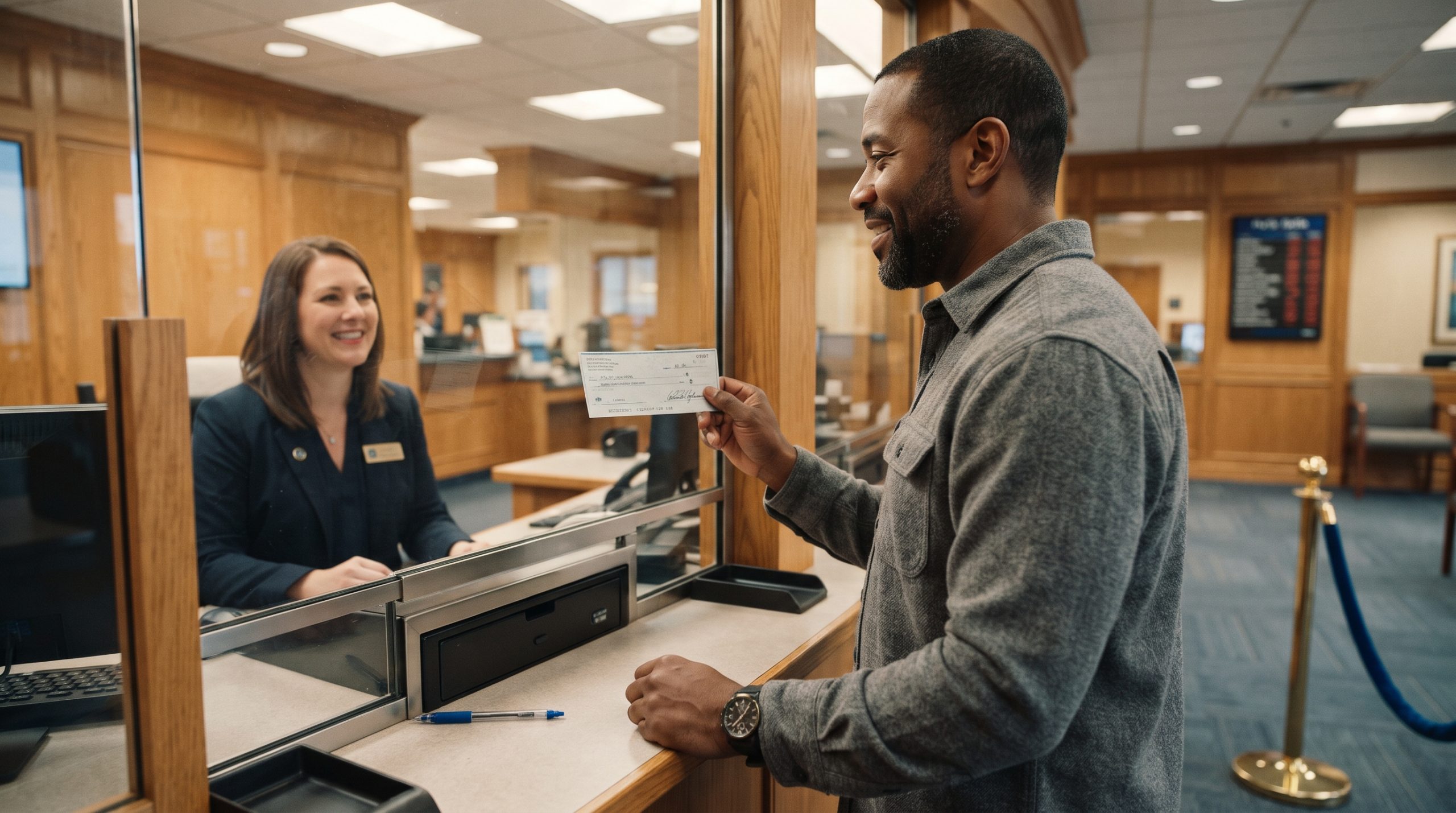
- Chase’s own seller guidance lists meeting at the buyer’s bank branch among the safest ways to get paid for a private car sale. A teller can verify the check and the buyer’s identity in one visit.
- Never wire money back to a buyer who claims they overpaid. That refund request is the scam, not a mistake to fix.
A cashier’s check becomes real money only after you verify it by calling the issuing bank yourself, not after your own bank credits the deposit. That credit can land in a day or two by federal rule, whether or not the check turns out to be real.
In this article
- How Cashier’s Check Fraud Works in a Private Car Sale
- How to Verify a Cashier’s Check With the Issuing Bank
- Wire Transfers, Payment Apps, and Escrow Scams Built for Car Sales
- Where to Complete the Exchange Safely
- What a Bill of Sale Actually Protects
- Frequently asked questions
Cashier’s check fraud is one of the most common ways a private car sale goes wrong. Call the issuing bank yourself before you hand over keys, title, or a signed bill of sale.
How Cashier’s Check Fraud Works in a Private Car Sale
Scammers print a cashier’s check that looks exactly like a real bank’s logo, routing number, and security language included. They hand it over for more than your asking price and ask you to wire back the difference as a refund.
You deposit the check, and your bank credits your account within a day or two because federal rules require quick availability of funds. That credit is a courtesy, not an approval.
Scammers count on you releasing the car before your bank finishes checking the check behind the scenes. If it turns out to be fake, your bank reverses the deposit and pulls the money back out of your account, including anything you already wired to the “buyer.” You absorb the loss, not the bank.
How to Verify a Cashier’s Check With the Issuing Bank
Never call the number printed on the check. Whoever prints a fake check can print a fake customer service line to match it.
Look up the issuing bank’s fraud or customer service number yourself, from its official website or your own debit card if you bank there too. Chase’s own guidance for sellers in private car sales says to call the issuing bank using a verified number, not one provided by the buyer, to confirm authenticity.
Give the teller the check number, dollar amount, and buyer’s name. A real bank can confirm whether that check was issued and whether funds are actually on hold for it. If the bank can’t confirm the check exists, stop the sale on the spot, no matter how convincing the buyer sounds.
Wire Transfers, Payment Apps, and Escrow Scams Built for Car Sales
Wire transfers and payment apps move money fast and are nearly impossible to reverse once sent. Scammers prefer them for that exact reason.
A common setup: a buyer claiming to be out of state insists a third-party shipping or escrow company handle payment, then disappears after you send a deposit. The Better Business Bureau documented hundreds of these vehicle shipper and escrow reports every year, with 41% of victims losing money.
A buyer who insists on paying before an in-person meeting is planning to disappear, not drive away. Treat any request to use an escrow site the buyer suggests as a hard stop. The same goes for sending money through Zelle, Venmo, or Cash App before they’ve even seen the car.
Where to Complete the Exchange Safely
Meet at the buyer’s bank, not your driveway or a parking lot. Chase calls this one of the safest ways to accept payment for a car, since a teller can verify the check and the buyer’s identity in the same visit.
If a branch visit isn’t realistic, complete the handoff somewhere public and well lit instead, and bring a friend along if you can.
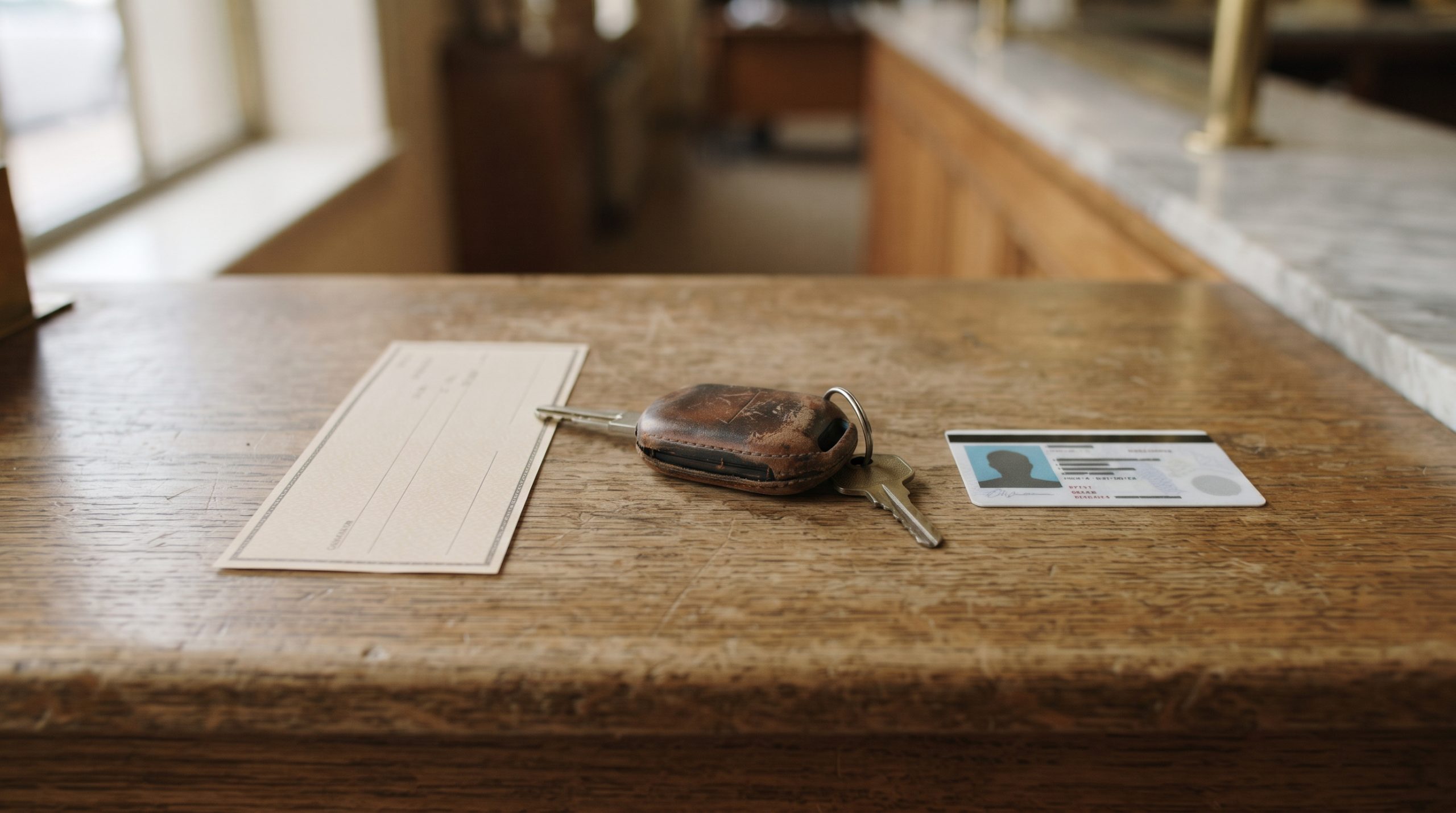
Don’t release the title, keys, or a signed bill of sale until funds are confirmed by the bank, not just visible on a screen.
What a Bill of Sale Actually Protects
A bill of sale documents the price, date, odometer reading, and both parties’ signatures. It helps prove the sale happened and on what terms if a dispute ends up in small claims court.
It does not make a bad check good, and it does not stop a buyer from disputing a wire transfer after the fact. Pair it with your state’s release-of-liability paperwork so you’re not still on the hook for tickets or accidents after the car is gone. Keep the teller’s verification note or receipt with your own copy of the paperwork, too.
Still weighing whether a private sale is worth the extra payment risk versus a trade-in? Run the numbers before you list the car.
| Payment Method | Fraud Risk | Verification Step | Reversible Once Received? |
|---|---|---|---|
| Cash | Low fraud risk, high counterfeit-bill and robbery risk | Count in person, check security features | No |
| Personal check | High, can bounce days later | Wait for full clearance before releasing title | Yes, bank can reverse |
| Cashier’s check | Low if verified, high if not | Call the issuing bank with a number you looked up yourself | Can still reverse if counterfeit |
| Wire transfer | High from an unverified buyer | Confirm buyer identity before any transfer happens | No once sent |
| Payment app (Zelle, Venmo, Cash App) | High for one-time, large sales | Confirm the balance posted, not just the on-screen transfer | Usually no |
| Best for | A cashier’s check verified by phone with the issuing bank, exchanged in person at that bank’s branch. | ||
Frequently asked questions
Is a cashier’s check safer than a personal check for a car sale? Yes, a cashier’s check draws on the bank’s own funds rather than the buyer’s account, but counterfeits exist. Call the issuing bank yourself before handing over keys, title, or a signed bill of sale, since a fake one can still bounce after your bank credits the deposit.
How do I verify a cashier’s check is real? Call the bank that issued it using a phone number you find independently, never the one printed on the check. Give the teller the check number, dollar amount, and payer name, and ask whether funds are actually on hold for it.
What if the buyer wants to use an escrow or shipping company? Be cautious. The Better Business Bureau (BBB) found that 41% of people who reported fake vehicle shipper and escrow scams lost money. Only use an escrow service you selected and researched yourself, never one a buyer suggests, emails, or links to directly during the deal.
Should I accept a wire transfer for my car? Wire transfers are hard to reverse once sent, which protects you only when you’re the one receiving payment after the buyer has already seen and accepted the car. Never wire money back to a buyer who claims they overpaid, that refund request is the scam.
Where should I complete a private car sale? At the buyer’s bank branch when possible, since a teller can verify the check and the buyer’s identity in one visit. If that’s not an option, meet somewhere public, well lit, and ideally covered by security cameras, and bring a friend along if you can.
Leave a Reply