
7 min read · Last updated November 2, 2026
- Low coolant is the cheapest cause to rule out first when a heater blows cold air, and checking the level costs nothing and takes about 2 minutes.
- A stuck-open thermostat costs $135 to $200 for parts and labor, based on the $120 to $159 hourly rate AAA (the American Automobile Association) reports for auto repair shops.
- A failed blend door actuator runs $120 to $320 when it sits behind the glovebox, and $600 or more when the dash has to come apart to reach it.
- A clogged heater core is the most expensive cause on this list: Car Talk documented a real dealer quote of up to $2,000 for a nine-hour job.
A car heater blowing cold air should be checked cheapest cause first: low coolant, a near-free fix, not a failed heater core. Working cheapest to most expensive avoids paying up to $2,000 for a heater core when an $18 coolant top-off would have fixed it.
In this article
- Heater blowing cold air? Check the coolant level first
- A stuck-open thermostat is the next cheapest cause
- One vent hot, one cold: the blend door actuator
- The expensive fix: a clogged heater core
- Repair-cost ladder: cause by cause
- Frequently asked questions
The cheapest reason a car blows cold air is low coolant, and checking it costs nothing. The most expensive, a clogged heater core, can run close to $2,000 and eat a full day in the shop. Work the ladder in that order, cheapest cause first, before paying for a shop diagnostic.
Heater blowing cold air? Check the coolant level first
A low coolant level is one of the cheapest and fastest causes to rule out. AA1Car’s heater-repair guide for independent mechanics puts it plainly: “A low coolant level can starve the heater resulting in little or no heat output.”
Air pockets can form, and air transfers heat worse than liquid coolant does. Checking the level takes about 2 minutes: let the engine cool for 20 minutes, then check the radiator itself, not the plastic overflow tank.
If it sits well below the fill neck, top it off with a 50/50 mix of antifreeze and water. This is worth doing before paying a shop’s diagnostic fee. See our guide to do-it-yourself (DIY) versus shop repair costs for where that line falls.
Say a driver named Marcus: his 2014 Honda Accord started blowing lukewarm air on cold mornings. The dealer’s first suggestion was a full heater-core flush before anyone checked his coolant. His level was an inch below the fill line.
Topping it off cost $18 for a jug of coolant. The vents still ran cold ten minutes later, ruling coolant out and pointing to the next rung on the ladder.
A stuck-open thermostat is the next cheapest cause
If coolant wasn’t the problem, the thermostat is next. AA1Car’s guide to thermostat diagnosis is direct about a stuck-open unit: it keeps the engine running too cool. That “can cause reduced heater output during cold weather as well as increased fuel consumption and engine wear.”
You can spot it without a tool. A normal engine’s temperature gauge climbs to the middle within 5 to 10 minutes of driving. A stuck-open thermostat keeps that needle low for most of the trip, since coolant keeps circulating through the radiator too early.
Marcus’s gauge barely moved after 15 minutes, so the shop replaced his thermostat. The part ran $25, plus one hour of labor at $140, the middle of the $120 to $159 hourly range AAA reports for auto repair shops generally.
That’s $165 total, and his heat came back within a mile of leaving the lot. Running total: $183, the $18 coolant check plus the $165 thermostat.
One vent hot, one cold: the blend door actuator
If coolant and the thermostat both check out, but airflow feels inconsistent, hot from one vent and cold from another, suspect the blend door actuator. This small motor swings a flap that mixes hot and cold air, and when it fails, the flap often sticks cold.
AA1Car’s heater-repair guide describes the test: with the engine warm and the heater on full hot, feel both heater hoses. If both are hot but the vents still blow cold, the problem sits inside the dash, not the cooling system.
You usually can’t confirm this without pulling a trim panel or glovebox. Cost swings entirely on access.
A one- to two-hour job behind the glovebox runs roughly $120 to $320 at AAA’s reported shop rate. A dash that has to come apart pushes labor toward $600 or more, close to heater-core territory.
The expensive fix: a clogged heater core
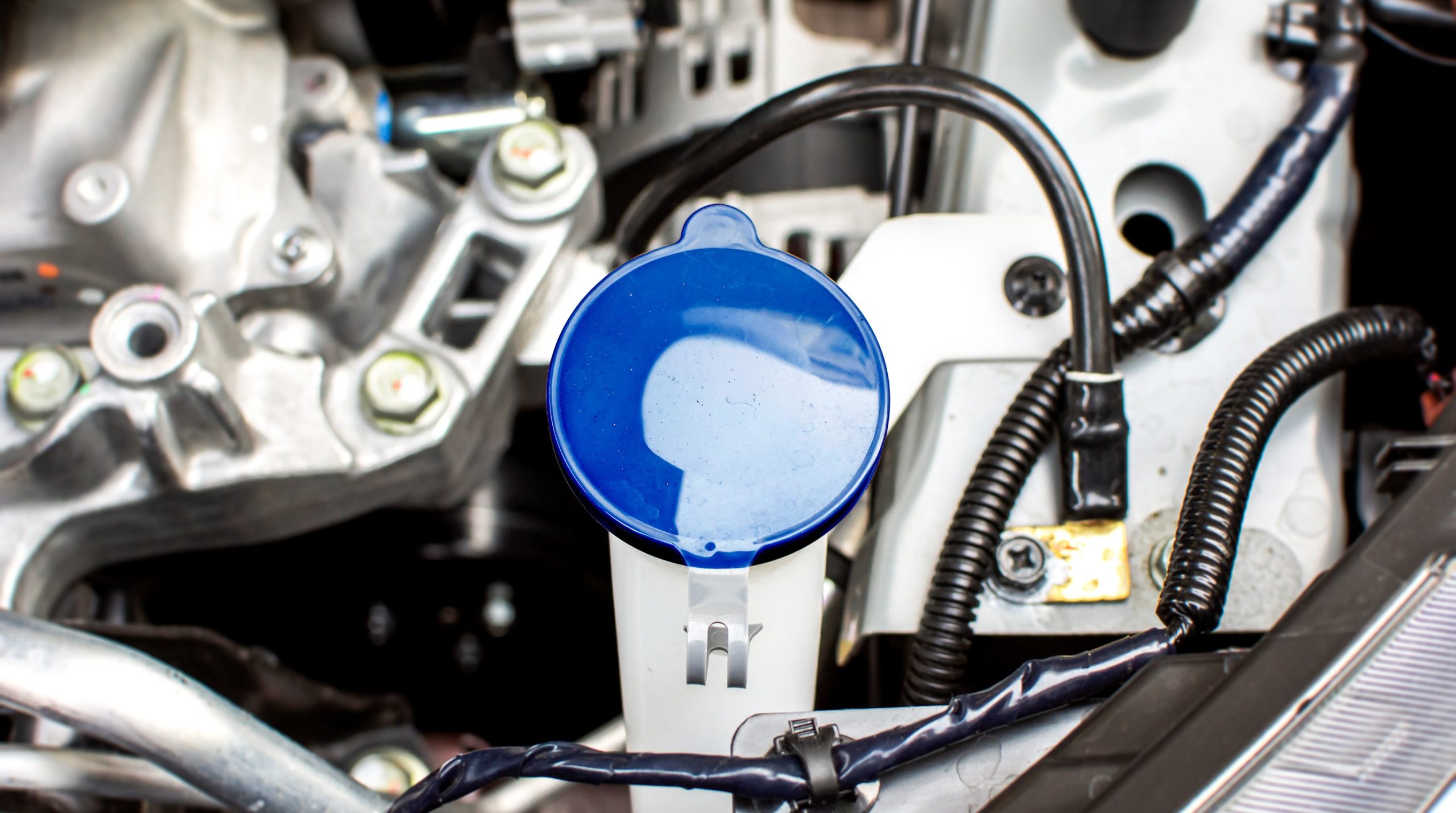
When coolant, the thermostat, and the blend door actuator all check out, and both hoses run hot but the air stays cold, the heater core is clogged. Sediment chokes off the core’s tiny fins before coolant can transfer heat to the air.
Car Talk’s advice column fielded exactly this case. A 2006 Toyota RAV4 at 125,000 miles got a dealer quote for full core replacement. The columnist called it “a nine-hour job” that “could cost up to $2,000.”
AA1Car’s heater-repair guide backs that up: labor alone can run six to eight hours or more, because the dash usually has to come out to reach the core.
A reverse flush is worth trying first: forcing water in through the outlet hose, opposite the normal flow, to knock a partial blockage loose. It costs about the price of a garden hose and an afternoon.
When that doesn’t work, replacement cost depends heavily on access. It runs well below the $2,000 upper end Car Talk’s reader was quoted when the dash doesn’t need to come apart, and closer to it when it does. This is the clearest case on this list for why deferring a repair rarely saves money.
A small coolant leak nobody chased down is often what let sediment build up in the first place.
Repair-cost ladder: cause by cause
The same ladder laid out side by side, including which causes you can check yourself before paying for a shop diagnostic.
| Cause | Typical Repair Cost | DIY-Checkable? |
|---|---|---|
| Low coolant | $0-$25 | Yes, check the level in about 2 minutes |
| Stuck-open thermostat | $135-$200 | Partially, watch the temperature gauge on a cold start |
| Blend door actuator | $120-$320 (behind glovebox) to $600+ (dash removal) | No, needs a trim panel or glovebox removed to confirm |
| Clogged heater core | Up to $2,000 for a full dash-out job | No, feel both heater hoses with the engine warm, best done by a mechanic |
| Check this first | $0 | Yes, always rule out coolant before paying for any diagnostic |
Frequently asked questions
Why is my car heater suddenly blowing cold air?
The cheapest cause to check first is low coolant, which starves the heater core of hot fluid to transfer into the cabin. Check the level in the radiator itself once the engine has cooled for about 20 minutes. If it’s low, top it off and run the heater again before assuming the problem is anything more expensive.
Can low coolant really cause no heat, or is that too simple an explanation?
Yes, and it’s one of the cheapest and fastest causes to check first. AA1Car’s heater-repair guide for independent mechanics confirms a low coolant level can starve the heater core of hot fluid, producing little or no heat. Low coolant can also let air pockets form inside the core, and air transfers heat poorly, so even a top-off sometimes needs a few minutes of idling to clear.
How do I tell a stuck thermostat from a clogged heater core?
Watch the temperature gauge first. A stuck-open thermostat keeps the gauge low for most of the drive instead of climbing to the middle within 5 to 10 minutes. If the gauge reads normal but both heater hoses are hot and the vents still blow cold, the blockage is inside the core itself.
Is a blend door actuator something I can replace myself?
It depends on where it sits. On some vehicles it’s behind the glovebox and a reasonable DIY job once you remove the right trim clips. On others, reaching it means partially dismantling the dash, which is when most owners hand the job to a shop instead.
How much does it cost to replace a heater core?
Costs vary by vehicle and how hard the core is to reach. Car Talk’s advice column documented a real dealer quote of up to $2,000 for a nine-hour dash-out job on a 2006 Toyota RAV4. Vehicles with easier access to the core typically cost meaningfully less than that dash-out figure.
Leave a Reply