6 min read · Last updated August 4, 2026
- Brake pads alone run about $300 per axle. Wait until the rotors and a caliper are involved, and a complete brake job runs $200 to $800, per Jiffy Lube.
- A torn constant velocity (CV) boot fixed early costs $150 to $600. Left alone until the joint itself fails, a full axle replacement runs $400 to $1,000 or more.
- A small coolant leak, like a hose, costs $50 to $200 to fix. Ignored long enough to cook a head gasket, the repair jumps to $1,500 to $2,500 or more.
- All 3 problems announce themselves with a specific warning sign, a squeal, a click in turns, or a low coolant light, well before the higher-cost stage in the table below arrives.
In this article
- Brakes: Pads Alone vs. a Complete Job
- CV Boots: A Torn Rubber Seal vs. a Failed Axle
- Coolant: A Small Leak vs. a Cooked Head Gasket
- What This Means for Your Next Shop Visit
- Frequently asked questions
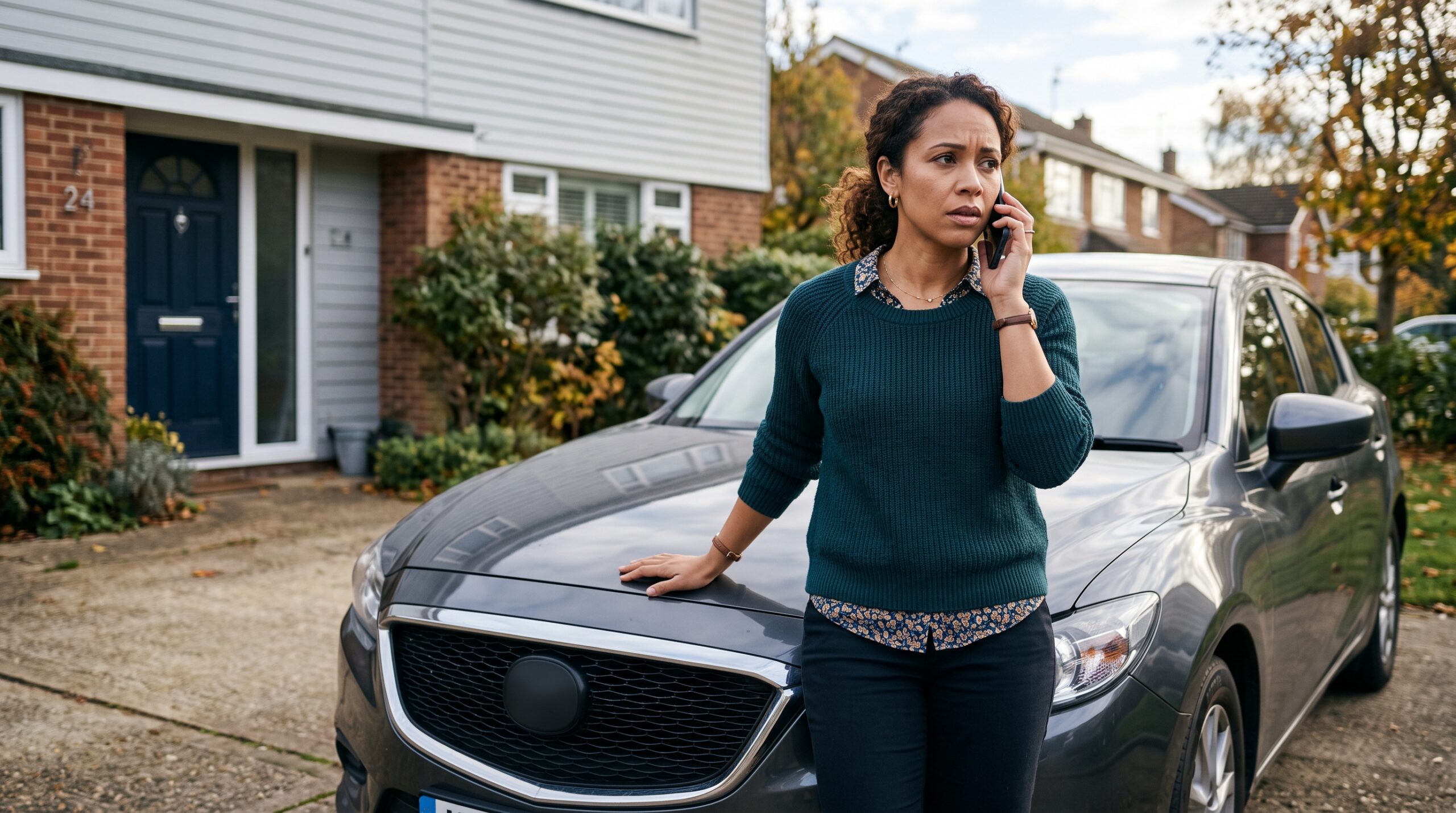
David’s brakes started squealing on his commute three weeks ago, and he decided the noise was fine to ignore until his next scheduled oil change. That decision, repeated across three different systems on a car, is the single biggest reason a routine repair bill turns into an unplanned $1,000-plus visit. Each of the three problems below has the same shape: cheap and simple early, expensive and involved late.
Brakes: Pads Alone vs. a Complete Job
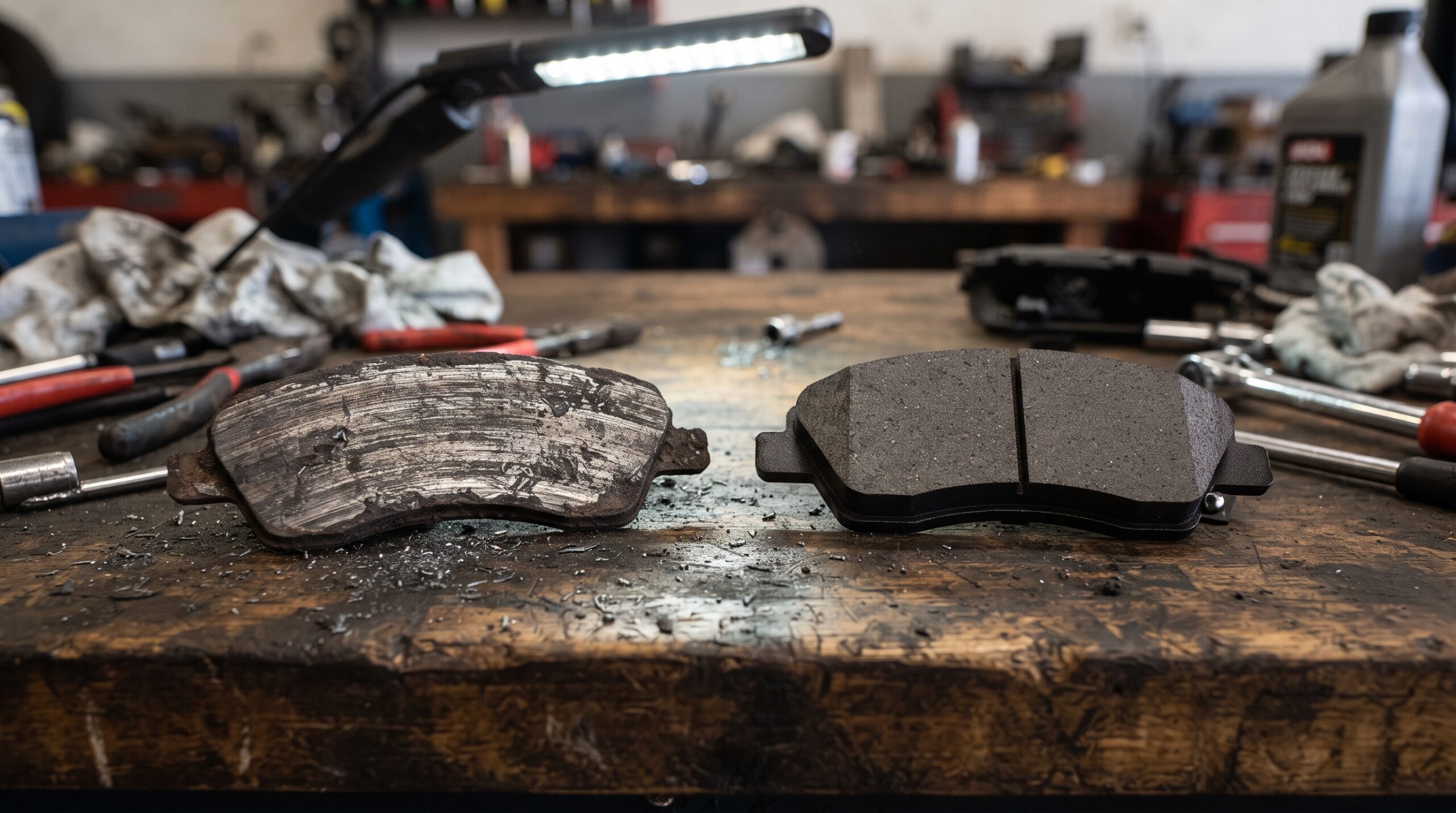
Brake pads wear down gradually and announce themselves with a thin metallic squeal well before they fail. Caught at that stage, Kelley Blue Book prices a pad replacement at about $300 per axle. Keep driving on that squeal, and the pads wear through to bare metal, which scores the rotors and can seize a caliper from the extra heat and vibration. At that point you are no longer buying pads. Jiffy Lube prices a complete repair covering pads, rotors, and calipers at $200 to $800, and a single caliper alone can run up to $130 in parts before labor. That parts figure moves again depending on whether the shop quotes a new, remanufactured, or used caliper pulled from a salvage yard, each with a different cost and warranty tradeoff.
CV Boots: A Torn Rubber Seal vs. a Failed Axle
The rubber boot sealing grease around each constant velocity (CV) joint on a front-wheel-drive or all-wheel-drive car tears with age, and a torn boot by itself is a minor fix. CostHelper’s reader-reported data puts a professional boot replacement at $150 to $600. Once the boot is torn, though, road dirt and water get into the joint, and the grease that protects it washes away. The joint starts clicking under turns, a sign that damage is already in progress, and the fix is no longer a boot. Rick’s Free Auto Repair Advice prices a full axle replacement at $400 to $1,000 or more. CarBuzz puts a new Original Equipment Manufacturer (OEM) axle with labor in the same $850 to $1,000 range.
Coolant: A Small Leak vs. a Cooked Head Gasket
A coolant leak from a hose is the cheapest failure on this list to catch early. According to CRC Industries’ repair cost breakdown, a straightforward hose replacement runs $50 to $200. A radiator or water pump leak costs more, in the $300 to $750 range, which lines up with Kelley Blue Book’s own water pump estimate of $400 to $800. Either way, it is still a contained, predictable job. Ignore any of these long enough for the engine to run low on coolant repeatedly, and the risk shifts to the head gasket, the seal between the engine block and cylinder head. CRC prices head gasket replacement at $1,500 to $2,500 or more. A granular shop-labor breakdown from Rick’s Free Auto Repair Advice goes further, building the estimate from real labor-hour figures across several common engines at a $140-an-hour shop rate. That math lands the average total repair at $3,045 once parts are included.
| Problem | Caught early | Ignored until it escalates |
|---|---|---|
| Squealing brake pads | $300 per axle | $200 – $800 complete job |
| Torn CV boot | $150 – $600 | $400 – $1,000+ full axle |
| Small coolant leak | $50 – $200 (hose) | $1,500 – $3,045+ head gasket |
What This Means for Your Next Shop Visit
Take David’s squealing brakes as the model: a squeal costs $300 to fix per axle today. Waiting even one more season risks turning that same $300 repair into an $800 one, plus a caliper that was never part of the original problem. The math works the same way for a clicking front wheel or a coolant light that comes on more than once. None of these three problems are subtle at the early stage, which means the choice to wait is a choice, not an accident. A part left to fail completely, rather than caught early, is also the more likely one to leave you stranded roadside, and that tow is its own cost worth pricing against a membership you may already be paying for twice.
The pattern behind all three is the same. A wear item fails first and is cheap to replace on its own. A second, more expensive component only gets damaged if the first failure is left in place long enough to do harm. Pads wear before rotors warp. A boot tears before the joint grinds. A hose weeps before the engine runs hot enough to hurt a head gasket. Catching each problem at the first stage, before it damages the second component, is what keeps the repair bill at the low end of every range in this article instead of the high end.
Waiting also costs more every year regardless of which part fails. The Bureau of Labor Statistics’ motor vehicle maintenance and repair price index tracks the actual cost of parts and shop labor nationwide, and it has climbed well ahead of general inflation over the past few years, so the same deferred repair costs more to catch up on this year than it would have last year.
Frequently asked questions
Is it ever cheaper to just wait and see what happens? No. Every example above got more expensive, not less, the longer the underlying problem ran. Waiting only makes sense if you have already confirmed with a mechanic that the noise or leak is cosmetic, not mechanical.
Which of these three problems gets expensive the fastest? A coolant leak has the widest gap between early and late cost. It jumps from $50 to $200 for a hose to $1,500 or more for a head gasket. Brakes and CV boots escalate too, but the dollar jump is smaller in absolute terms.
Can I fix any of these myself at the early stage to save money? A coolant hose is one of the more DIY-friendly items on this list for an owner comfortable working under the hood. Brake pads and CV boots involve safety-critical components and specialized tools, so most owners are better off paying the early-stage shop price than risking a mistake.
What should I ask my shop for at every visit to catch these early? Ask specifically about brake pad thickness, CV boot condition, and any coolant level changes since the last visit. Those three checks take a few minutes and catch every problem in this article while it is still in its cheap stage.
Leave a Reply