7 min read · Last updated November 11, 2026
- A windshield chip repair costs $50-$150, but a full replacement runs $250-$1,500 or more, per the American Automobile Association (AAA).
- A do-it-yourself (DIY) headlight restoration kit runs $10-$25, per Consumer Reports testing, though the haze typically returns within about a year.
- A factory-matched paint touch-up pen costs around $19 and only pays off on coin-size chips and scratches, not dents.
- A professional full detail for a sedan runs $125-$200, per Synchrony’s cost data, and often includes headlight polishing.
Across the four most common pre-sale cosmetic jobs, roughly $289 in headlight, paint, glass, and interior work addresses the defects a buyer notices in the first ten seconds. A full windshield replacement or a full repaint rarely pays for itself at the sale.
In this article
- Cosmetic repairs before selling a car: the four jobs worth the money
- Where cosmetic spending stops paying off
- Cost versus resale payoff for each fix
- A worked example: the 2018 Honda Accord
- Frequently asked questions
A windshield chip repair runs $50 to $150. Left alone, that same chip often turns into a $250 to $1,500 full windshield replacement, with nothing extra to show for it at the sale.
That gap between a cheap fix now and an expensive job later is the real test. It separates the cosmetic repairs before selling a car that pay for themselves from the ones that don’t.
Cosmetic repairs before selling a car: the four jobs worth the money
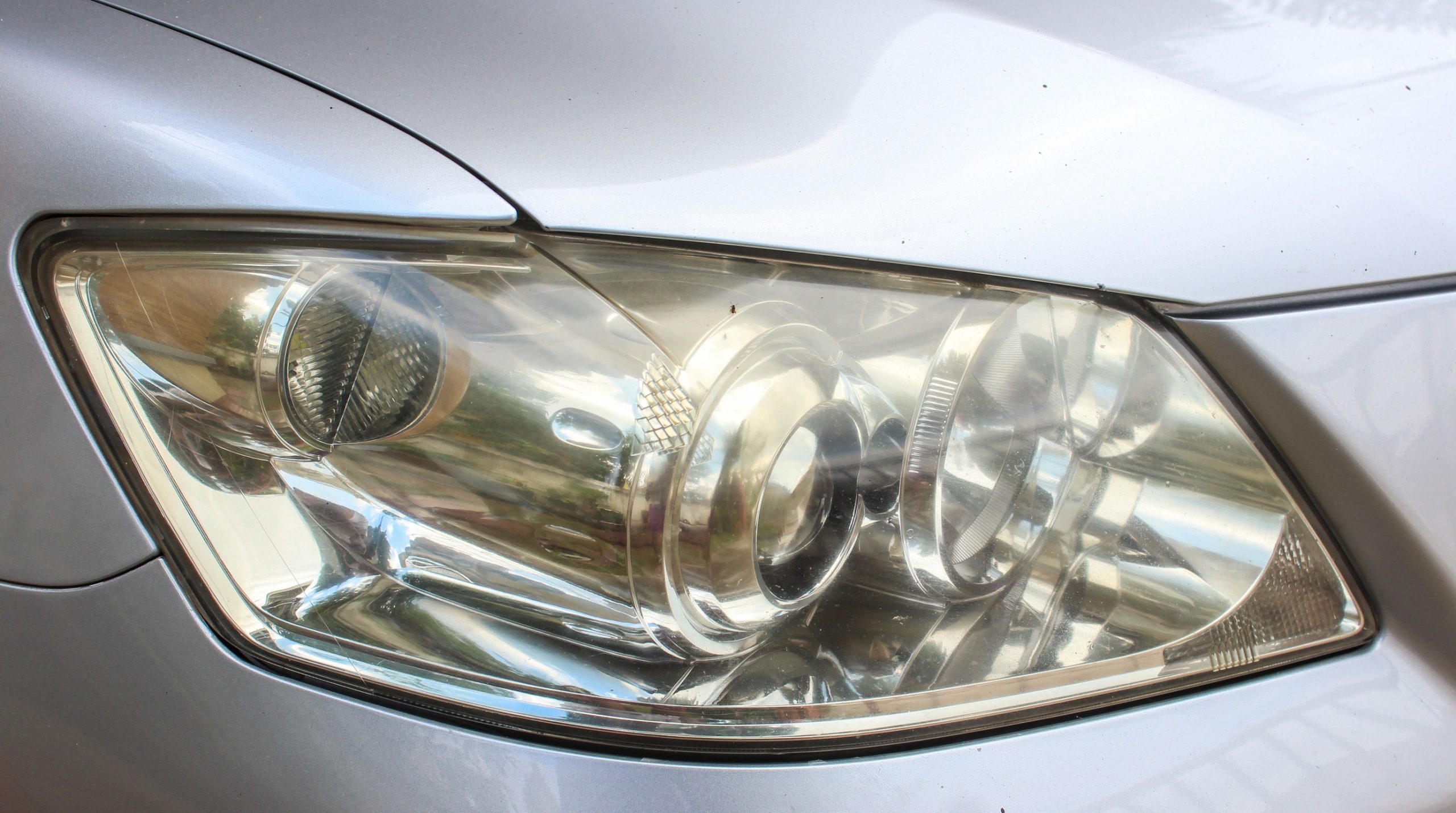
Headlight lenses turn hazy and yellow from years of ultraviolet exposure, and it is one of the first things a buyer notices walking up to a car. A DIY restoration kit runs $10 to $25, and Consumer Reports’ own testing found the kits genuinely work. The catch: the haze typically returns within about a year, so time the job close to the sale, not months ahead.
A factory color-matched touch-up paint pen costs around $19 at a specialty retailer like AutomotiveTouchup.com. It closes a coin-size chip or a thin scratch down to bare metal, the kind of flaw a buyer circles with a finger during a walk-around. It will not fix a dent, a faded clear coat across a whole panel, or anything that needs sanding and a sprayer.
A professional full detail for a sedan runs $125 to $200, per cost data from Synchrony, and it typically includes vacuuming, upholstery cleaning, and headlight polishing in the same visit. Smell and first impression sell cars. A buyer who opens the door to stale odor and crumbs has already started negotiating down before a single mechanical question gets asked.
A chip repair runs $50 to $150, per AAA. Safelite’s own damage-assessment guidance is specific: a chip smaller than a quarter, without spreading cracks and outside the driver’s direct line of sight, is almost always repairable.
That’s not a case for a full replacement. Get it filled before it spreads.
Where cosmetic spending stops paying off
Not every cosmetic job clears its own bar. A crack longer than six inches, or any chip that has already spread into the driver’s sightline, typically forces a full windshield replacement. Per AAA, that runs $250 to $1,500 or more.
A private buyer rarely pays a dollar more for a new windshield than a clean, chip-free original one. The fix that protects the sale is the cheap repair done early, not the expensive one done late.
The same logic applies to paint and dents. Synchrony’s own cost breakdown puts an intensive detailing job or a full vehicle restoration at $1,000 or more, since it folds in dent removal and window tinting. That is a different scale of job than a $19 touch-up pen.
Buyers judge the two differently. A buyer forgives light wear and a small touched-up chip. A buyer does not pay extra for cosmetic work that should have been invisible from the start.
Cost versus resale payoff for each fix
The four jobs compare like this:
| Fix | Typical cost | Payoff at sale |
|---|---|---|
| Headlight restoration (DIY kit) | $10-$25 | Pays off. Buyers notice cloudy lenses first; haze returns in about a year, so time it close to the sale. |
| Paint touch-up pen | ~$19 | Pays off, but only on coin-size chips and scratches. Will not fix a dent or panel-wide fading. |
| Full interior detail (sedan) | $125-$200 | Pays off. First impression and odor often decide a showing before a single mechanical question gets asked. |
| Windshield chip repair | $50-$150 | Pays off, but full replacement ($250-$1,500+) usually does not return its cost at a private sale. |
A worked example: the 2018 Honda Accord
Imagine a seller named Dana with a 2018 Honda Accord LX at 90,000 miles, mechanically sound, listed for a private sale. The windshield has a dime-size chip outside the driver’s sightline, and the headlight lenses have gone cloudy. The front bumper carries a coin-size paint chip down to primer, and the interior carries five years of ordinary wear.
Dana spends $20 on a headlight kit, $19 on a matched paint pen, and $100 on a mobile chip repair, the AAA midpoint. Add $150 for an interior detail, within Synchrony’s sedan range. Total out of pocket: $289.
When Dana lists the car also shapes the outcome: a private-party market that runs 46% easier for buyers to find a deal in December than in June can erase more of that $289 than any single cosmetic fix adds back.
Kelley Blue Book’s own valuation documentation ties its Trade-In Value directly to condition. It notes Trade-In Value “will likely be less than” Private Party Value because a dealer prices in reconditioning costs before making an offer.
Those four defects are precisely the line items a dealer appraiser works from, the same condition-based math that applies when pricing a modified car for trade-in or private sale. Clearing all four before the appraisal, rather than after it, is the difference between the $289 going toward Dana’s asking price or toward the dealer’s cut.
The windshield item alone makes the case. A $100 repair now avoids a $250 to $1,500 replacement later, a bill 2.5 to 15 times larger. A private buyer will not pay extra for a brand new windshield, let alone a replaced one.
Frequently asked questions
Is it worth replacing a cracked windshield before selling a car? Usually not, unless state inspection law requires it. A full replacement runs $250 to $1,500 or more, per the American Automobile Association (AAA), and a private buyer rarely pays extra for a new windshield over a clean original. If the damage still qualifies for repair, a $50 to $150 fix is the better move.
How much does headlight restoration cost? A do-it-yourself (DIY) kit runs $10 to $25, according to Consumer Reports testing, and the kits genuinely clear up haze. A body shop or detailer can also polish headlights as part of a full detail. Either way, the clarity fades again within about a year, so time the job close to the sale.
Does a full interior detail raise a car’s trade-in value? A clean, detailed interior reduces what a dealer has to recondition before resale. Kelley Blue Book’s own valuation guidance notes that Trade-In Value runs lower than Private Party Value specifically because the dealer prices in reconditioning costs. Showing up already detailed protects more of that gap for the seller.
Should I repair or ignore a small windshield chip before selling? Repair it. Safelite’s damage guidance says a chip smaller than a quarter, without spreading cracks and outside the driver’s line of sight, is almost always repairable for $50 to $150. Left alone, that same chip risks spreading into a crack that forces a $250-plus replacement.
Is a full repaint worth it before selling a car? Rarely. Synchrony’s cost data puts an intensive detailing job or full vehicle restoration, which can include a respray, at $1,000 or more. Buyers forgive normal wear but will not pay a dollar-for-dollar premium for paint work that should have been invisible in the first place.
Leave a Reply