7 min read · Last updated November 21, 2026
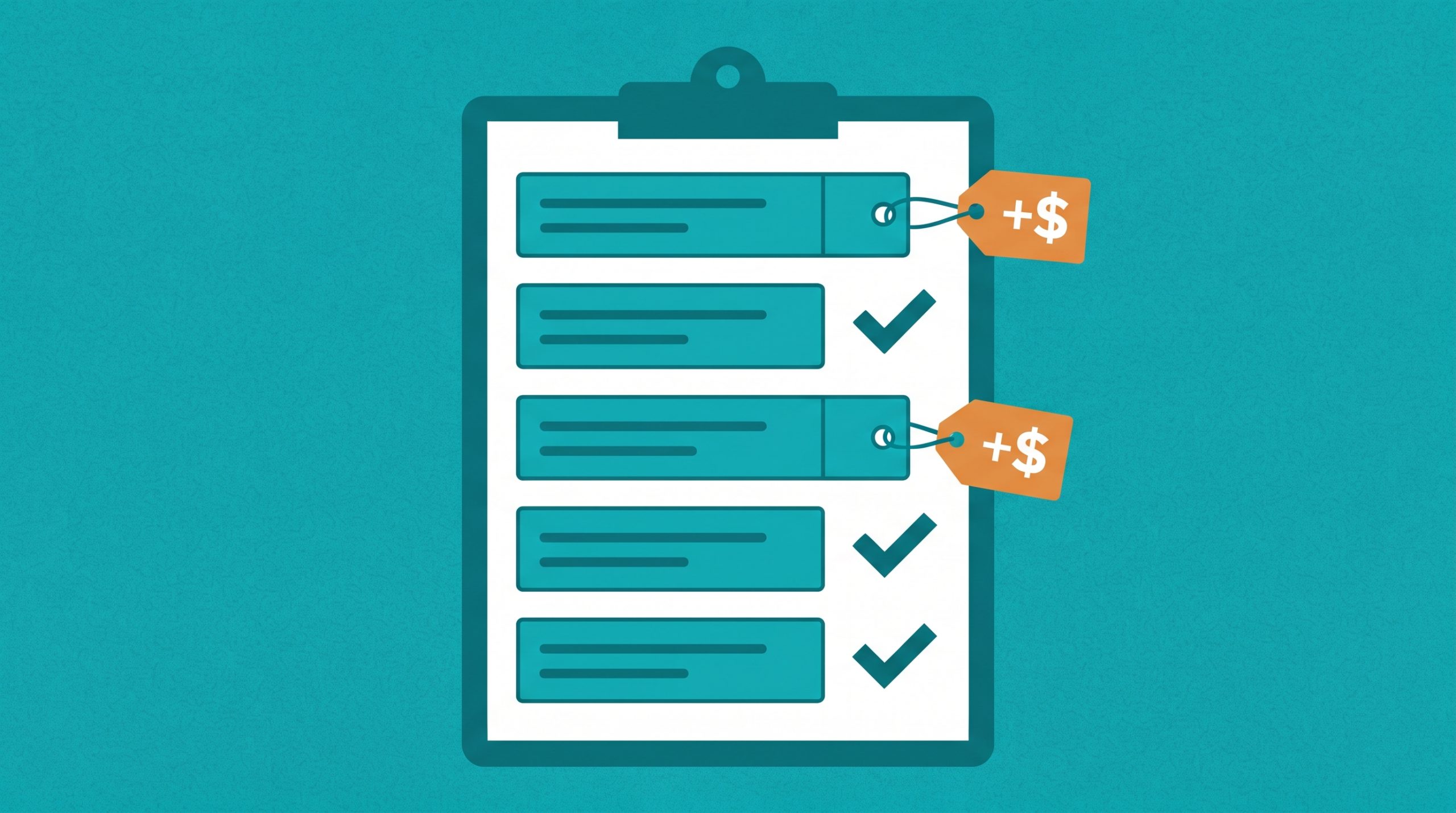
- On a 2021 Toyota Camry, Toyota’s own Warranty and Maintenance Guide schedules only five real services at 60,000 miles. Those are the engine oil and filter, the engine air filter, the cabin air filter, spark plugs on V6 models, and a tire rotation.
- Coolant replacement isn’t due until 100,000 miles on this schedule. A 60,000-mile coolant flush is roughly 40,000 miles ahead of what Toyota itself calls for.
- Automatic transmission fluid replacement only appears on the 60,000-mile list under “special operating conditions.” That means towing, a car-top carrier, heavy loads, or extensive idling and low-speed driving like a taxi or delivery route, not ordinary commuting.
- Brake fluid gets a level-and-condition check at every visit, but the guide never states a replacement mileage for it. That gap is where “Dealer-Recommended Maintenance” lives.
On a 2021 Toyota Camry, the manufacturer’s 60,000-mile or 72-month service is short. It calls for an oil and filter change, new engine and cabin air filters, spark plugs on V6 models, and a tire rotation.
Coolant and automatic transmission fluid are not due for replacement at this visit under normal driving. Brake fluid is inspected rather than replaced on any fixed schedule, according to Toyota’s own 2021 Camry Warranty and Maintenance Guide.
In this article
- What Toyota’s 60,000-mile service actually requires
- Why coolant and transmission fluid aren’t due yet
- What “Dealer-Recommended Maintenance” means for brake fluid
- How to check your own car’s menu against its schedule
- Frequently asked questions
What Toyota’s 60,000-mile service actually requires
The 60,000-mile page of Toyota’s 2021 Camry guide lists a short, specific set of scheduled items. Everything else on the page is either an inspection or a note that only applies if you drive the car a certain way.
| Item | Due at 60,000 miles? | What Toyota’s guide actually says |
|---|---|---|
| Engine oil and filter | Yes, replace | Scheduled replacement at 60,000 miles or 72 months |
| Engine air filter | Yes, replace | Scheduled replacement at 60,000 miles or 72 months |
| Cabin air filter | Yes, replace | Scheduled replacement at 60,000 miles or 72 months |
| Spark plugs (V6 models) | Yes, replace | Required under the Emissions Control Warranty on V6 models |
| Tire rotation | Yes | Scheduled at 60,000 miles or 72 months |
| Engine coolant | No | Inspect only; first scheduled replacement is 100,000 miles or 120 months |
| Automatic transmission fluid | No, under normal driving | Inspected for leaks only; replacement listed solely under special operating conditions |
| Brake fluid | No fixed mileage | Level and condition inspected only; no replacement interval stated anywhere in the guide |
The oil, two filters, plugs, and rotation are the entire scheduled list. A dealer’s “60,000-mile service” menu can run several items longer, and the extra lines are almost always the coolant, transmission, and brake fluid services.
Why coolant and transmission fluid aren’t due yet
Toyota’s guide answers this with its own footnotes, not with opinion. The coolant entry at 60,000 miles is marked “inspect.” A footnote on the 105,000-mile page spells out the real interval: initial replacement at 100,000 miles or 120 months, then every 50,000 miles or 60 months after that.
A car that’s never had a coolant service before 60,000 miles isn’t overdue. It’s about 40,000 miles early for its first one.
Transmission fluid works the same way. On the normal 60,000-mile page, automatic transmission fluid only shows up as an inspection item, checked for signs of leakage. A replacement appears on the same page, but only under a separate heading.
Toyota lists it for “driving while towing, using a car-top carrier, or heavy vehicle loading.” It also lists it for “extensive idling and/or low speed driving for a long distance such as police, taxi or door-to-door delivery use.” A daily commuter who doesn’t tow or idle for a living isn’t in either category.
This isn’t just a Toyota-specific technicality. Consumer Reports‘ chief mechanic, John Ibbotson, treats an unscheduled transmission flush as a red flag rather than routine care. “This shouldn’t be a frequent occurrence, since a gearbox in good working order would not have metal shavings polluting the fluid over a short period of time,” Ibbotson says. “If that’s the case, it’s likely a sign of a bigger and more complicated problem.”
Ibbotson points to the owner’s manual, not the service counter, as the real reference point. The real guidance is simpler: check the manual and know exactly when a drain or flush is actually due. Doing either one too often just wastes money.
“Dealer-Recommended Maintenance” and brake fluid
Brake fluid sits in a different category entirely. At every maintenance interval, a footnote instructs the technician to “inspect power steering fluid (if equipped) and brake fluid level/condition.” The same footnote then adds: “Your dealer may recommend services (Dealer-Recommended Maintenance) based on inspection results.”
That phrase, Dealer-Recommended Maintenance, is Toyota’s own label for anything a dealer suggests beyond the printed schedule. It isn’t hidden. It’s just a separate category from the five items actually due at 60,000 miles.
That doesn’t mean brake fluid never needs replacing. Brake fluid absorbs moisture over time, and a shop that finds discolored or contaminated fluid during the inspection has a real reason to recommend a flush. The distinction that matters is timing.
An inspection finding a real problem is a different conversation. It’s not the same as a flat “it’s time for your 60k brake fluid” line on a pre-printed menu.
How to check your own schedule
The fix doesn’t require arguing with a service advisor. Before any dealer visit, pull up your own vehicle’s maintenance schedule, not a generic “60k service” page, and look at the exact mileage interval you’re approaching. Toyota publishes its guide as a free PDF (Portable Document Format) file by model year, and most manufacturers do the same.
A few minutes with the real document turns “the dealer says I need it” into “the schedule says I don’t, yet.” If a car’s free dealer maintenance plan has already run out, this same comparison matters even more, since every item on a post-warranty invoice is now coming out of pocket.
The same logic that separates a scheduled item from a dealer add-on is most of what explains why some repairs only happen at a dealer in the first place. Proprietary software requirements are a real constraint, but a fluid flush isn’t one of them. Any competent independent shop can do that work once the schedule actually calls for it.
Frequently asked questions
Does skipping a dealer-recommended flush void my warranty? No, not on its own. Toyota’s Powertrain Warranty covers defects in materials or workmanship, and following the manufacturer’s own published schedule is what satisfies a warranty’s maintenance requirement. Declining a service that isn’t on that schedule, like an early coolant or transmission flush, doesn’t affect coverage for unrelated parts.
What if I mostly drive in stop-and-go traffic? Stop-and-go commuting alone doesn’t move transmission fluid onto the 60,000-mile replacement list. Toyota’s special-operating-conditions language specifically names extensive idling or low-speed driving “such as police, taxi or door-to-door delivery use,” a much heavier duty cycle than a typical commute. If your driving genuinely resembles that pattern, the earlier interval applies to you.
Should I ever get a coolant flush before 100,000 miles? Yes, if there’s a real reason: a visible leak, a coolant level that keeps dropping, or discoloration the inspection catches. The 100,000-mile figure is when Toyota schedules the first replacement with no symptoms present, not a ceiling on when a coolant service can ever be justified.
Is my transmission really fine if I never tow anything? Based on the same guide, yes, through at least 120,000 miles. Toyota’s schedule lists automatic transmission fluid as an inspection-only item under normal driving at every interval through 120,000 miles. A replacement only appears under the towing, heavy-load, or extensive idling headings, so for a typical Camry commuter, it stays an inspection item until one of those conditions applies.
How do I find my own car’s real schedule instead of guessing? Search your vehicle’s year, make, and model plus “warranty and maintenance guide,” or check the manufacturer’s owner-resources page directly. The document lists every mileage interval by the exact service items due, which is the only way to know whether a dealer’s menu matches your car’s actual schedule.
Leave a Reply