6 min read · Last updated October 16, 2026
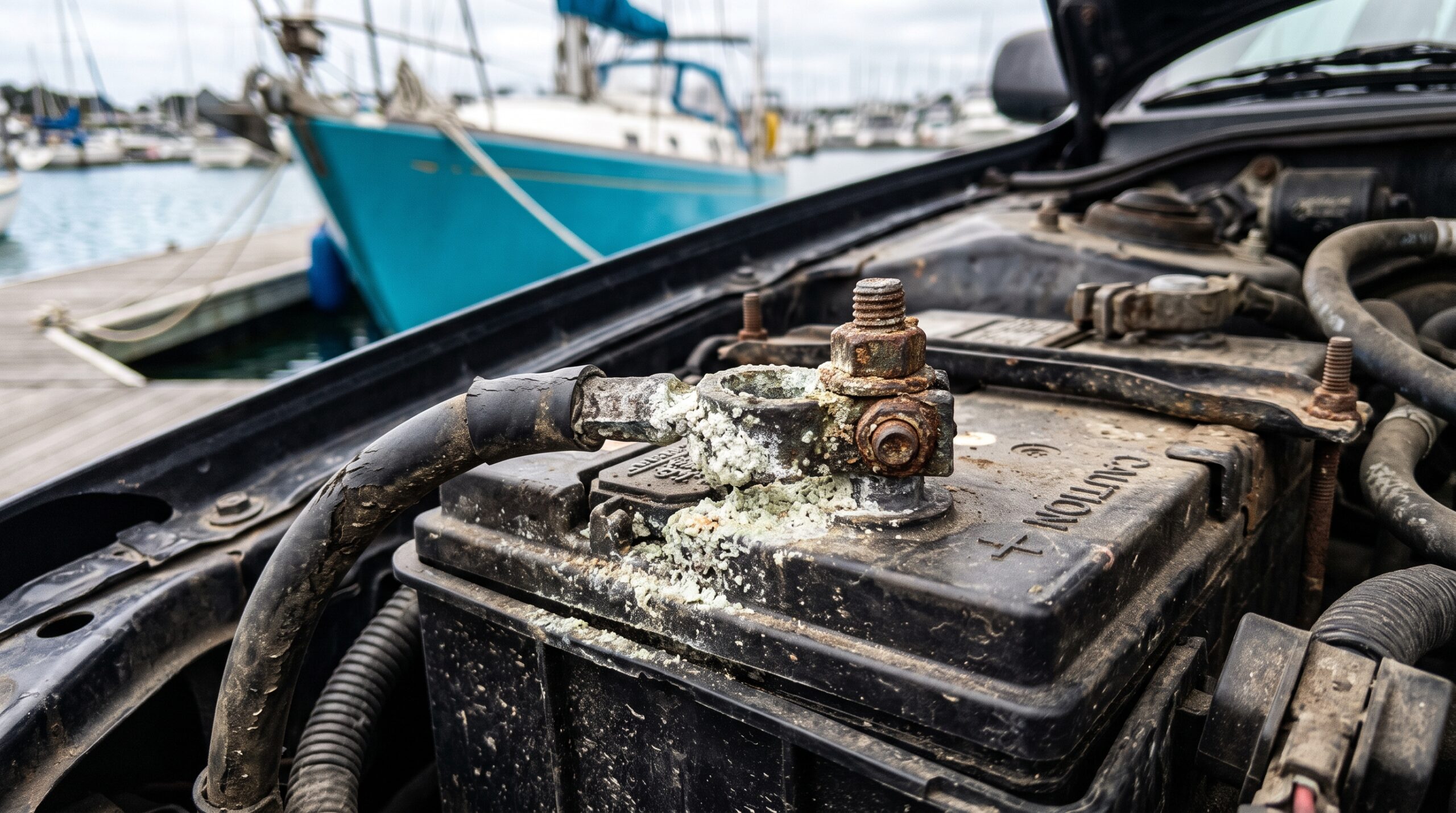
- The American Automobile Association (AAA) says heat, not cold, is the leading cause of battery failure, because summer heat accelerates fluid loss and oxidation inside the battery itself.
- Consumer Reports, citing AAA data, puts typical battery life at 58 months or more in the northern United States versus under 41 months in the hottest southern states.
- The National Highway Traffic Safety Administration (NHTSA) recalled 664,779 Nissan Rogue SUVs in 2022 after salt and water corroded an under-dash electrical connector, a different failure than frame rust.
- Consumer Reports puts the average battery price at $187, so a hot-climate driver can expect roughly one extra replacement, about $187, over 10 years compared with a driver up north.
Heat cuts a car battery’s rated life from 58 months in northern climates to under 41 months in the hottest states. Cold doesn’t cause that damage, it just exposes a battery already weakened by the heat it absorbed.
In this article
- How climate affects car battery life first
- Desert and arid Southwest: what to inspect first
- Coastal and salt-air states: the connector problem, not the frame
- Cold-winter states: cranking power and cold-start wear
- What a climate-blind maintenance schedule actually costs
- Frequently asked questions
A battery rated for 58 months in the northern United States can fail by month 41 in the desert Southwest, according to AAA data reported by Consumer Reports. Heat drives that gap, not cold: sustained heat wears down battery chemistry, cracks rubber, and corrodes connectors differently depending on where a car spends its life.
How climate affects car battery life first
Climate affects car battery life more than most owners assume, and heat is the real driver, not cold. AAA says summer heat accelerates the rate of fluid loss and resulting oxidation of battery components, calling heat, not winter cold, the number one cause of battery failure. Cold weather mostly exposes damage a battery already carries from a summer it never fully recovered from.
Consumer Reports cites AAA figures showing battery life spanning 58 months or more in the northern United States, down to under 41 months in the hottest southern states. AAA responded to 1.83 million battery-related roadside calls in the summer of 2024 alone, most of them heat-related.
Desert and arid Southwest: what to inspect first
Battery testing matters most here, and on a schedule, not a guess. Consumer Reports recommends a load test every year once a battery passes two years old in a warmer climate, versus every four years in a colder one. A load test catches a battery that still starts the car but has already lost real capacity.
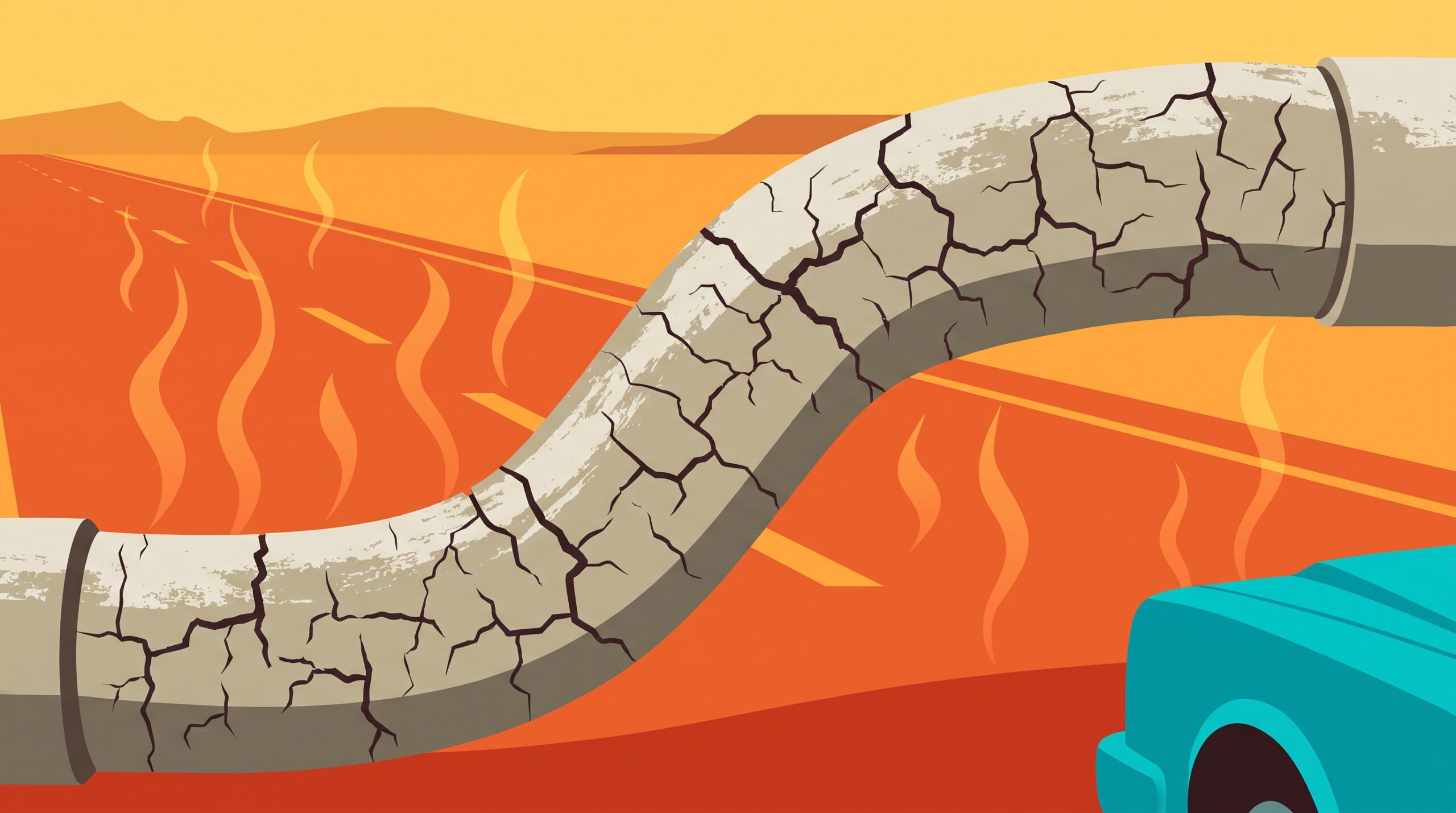
Rubber hoses and belts wear on the same clock. AAA’s own maintenance checklist calls for replacing drive belts that show cracking, glazing, or fraying. It also calls for inspecting radiator hoses for brittleness, bulging, or soft spots, the exact damage sustained desert heat produces first.
Coastal and salt-air states: the connector problem, not the frame
Salt corrodes more than a frame. A rusted-through frame rail or brake line is one salt-driven failure, concentrated in cold-weather states that de-ice roads. Coastal and salt-exposed cars face a separate problem: corrosion inside electrical connectors and wiring harness grounds that keep lights, sensors, and power accessories working.
NHTSA’s recall database shows how serious that gets. In 2022, Nissan recalled 664,779 Rogue SUVs from model years 2014 through 2016 after water and salt intrusion corroded an under-dash electrical connector. The consequences included power window and seat failures, a false all-wheel-drive warning light, battery drainage, and an increased fire risk.
A corroded connector usually shows up as flickering lights or an accessory that works intermittently, not as a visible rust stain anyone would spot from outside the car.
Cold-winter states: cranking power and cold-start wear
Cold doesn’t damage a battery the way heat does, but it does expose weak capacity fast. Consumer Reports notes that batteries built for northern climates emphasize cold cranking amps specifically, because a cold engine demands far more starting power than a warm one.
Cold also changes how the rest of the engine wears, separate from the battery entirely. Repeated cold starts in freezing temperatures wear oil and exhaust components faster than mileage alone suggests. Check that wear alongside battery capacity in any car that sees regular sub-freezing mornings.
What a climate-blind maintenance schedule actually costs
Run the two AAA battery-life numbers against Consumer Reports’ own battery pricing data, and the climate gap turns into real dollars. The average price across Consumer Reports’ latest battery ratings is $187, with some premium models running past $362.
A battery lasting 58 months, about 4.8 years, needs replacing roughly twice across 10 years of ownership. A battery lasting under 41 months, about 3.4 years, needs replacing roughly three times across that same decade. That extra replacement, at the $187 average, is a cost tied to geography, not driving habits.
| Region | What Wears First | What To Inspect |
|---|---|---|
| Desert and arid Southwest | Battery capacity, rubber hoses and belts | Annual load test after year 2; hoses and belts for cracking or bulging |
| Coastal and salt-air states | Electrical connectors and wiring harness grounds | Under-dash and trunk connectors for white or green corrosion crust |
| Cold-winter states | Cranking power, oil flow, cold-start wear | Cold cranking amp rating against local winter lows; cold-start frequency |
Frequently asked questions
Does heat really damage a car battery more than cold does? Yes. AAA calls heat the leading cause of battery failure, because sustained heat speeds up fluid loss and internal oxidation inside the battery. Cold weather doesn’t cause that damage; it just demands more starting power from a battery already weakened by the heat it already absorbed.
How often should I have my battery tested if I live somewhere hot? Consumer Reports recommends an annual load test once a battery passes two years old in a warmer climate, compared with every four years in a colder one. A load test catches reduced capacity before the battery actually fails and leaves you stranded.
Is salt-air corrosion on electrical connectors the same problem as frame rust? No, frame rust is structural corrosion on steel components, common in cold-weather states that de-ice roads. Electrical connector corrosion happens inside wiring harnesses and connector housings, often from coastal salt air or water intrusion. It shows up as flickering lights or intermittent accessories instead of visible rust.
Does cold weather wear out an engine faster than heat does? Cold weather creates a different kind of wear, concentrated in oil and exhaust components during repeated cold starts, rather than battery chemistry. A car making frequent short trips in freezing temperatures accumulates that wear faster than its mileage alone would suggest.
What should I check first based on where I actually live? In hot, dry climates, prioritize an annual battery load test plus a look at rubber hoses and belts. In coastal or salt-exposed areas, check electrical connectors for corrosion. In cold-winter climates, confirm your battery’s cold cranking amp rating matches local winter lows.
Leave a Reply