6 min read · Last updated November 13, 2026
- A P0420 code means the onboard diagnostics (OBD) system detected the catalyst running below its efficiency threshold, not that the converter has definitely failed.
- A bad oxygen sensor, exhaust leak, or fuel pressure problem can trigger the same code, risking $1,000 or more on a converter you never needed.
- AAA (the American Automobile Association) puts an original equipment manufacturer (OEM) converter job at roughly $1,000 to $2,200 total. A federal-compliant aftermarket job on the same car runs $300 to $600.
- California and other states that follow its rules require a California Air Resources Board (CARB)-certified aftermarket converter by law. Most other states allow cheaper Environmental Protection Agency (EPA)-only parts.
A P0420 code flags low catalyst efficiency, but a failing oxygen sensor or exhaust leak sets the same code in plenty of cars. Diagnose the real cause before spending $300 to $2,200 on a replacement.
In this article
- What a P0420 Code Actually Means
- The Diagnostic Triage Before You Replace Anything
- OEM vs. Legal Aftermarket: Cost and the State Rules That Decide
- After a Theft: What to Do Before You Buy a Replacement
- Frequently Asked Questions
Your check engine light comes on and a scan tool returns P0420. That code alone does not confirm your catalytic converter has failed, and replacing one is not cheap.
What a P0420 Code Actually Means
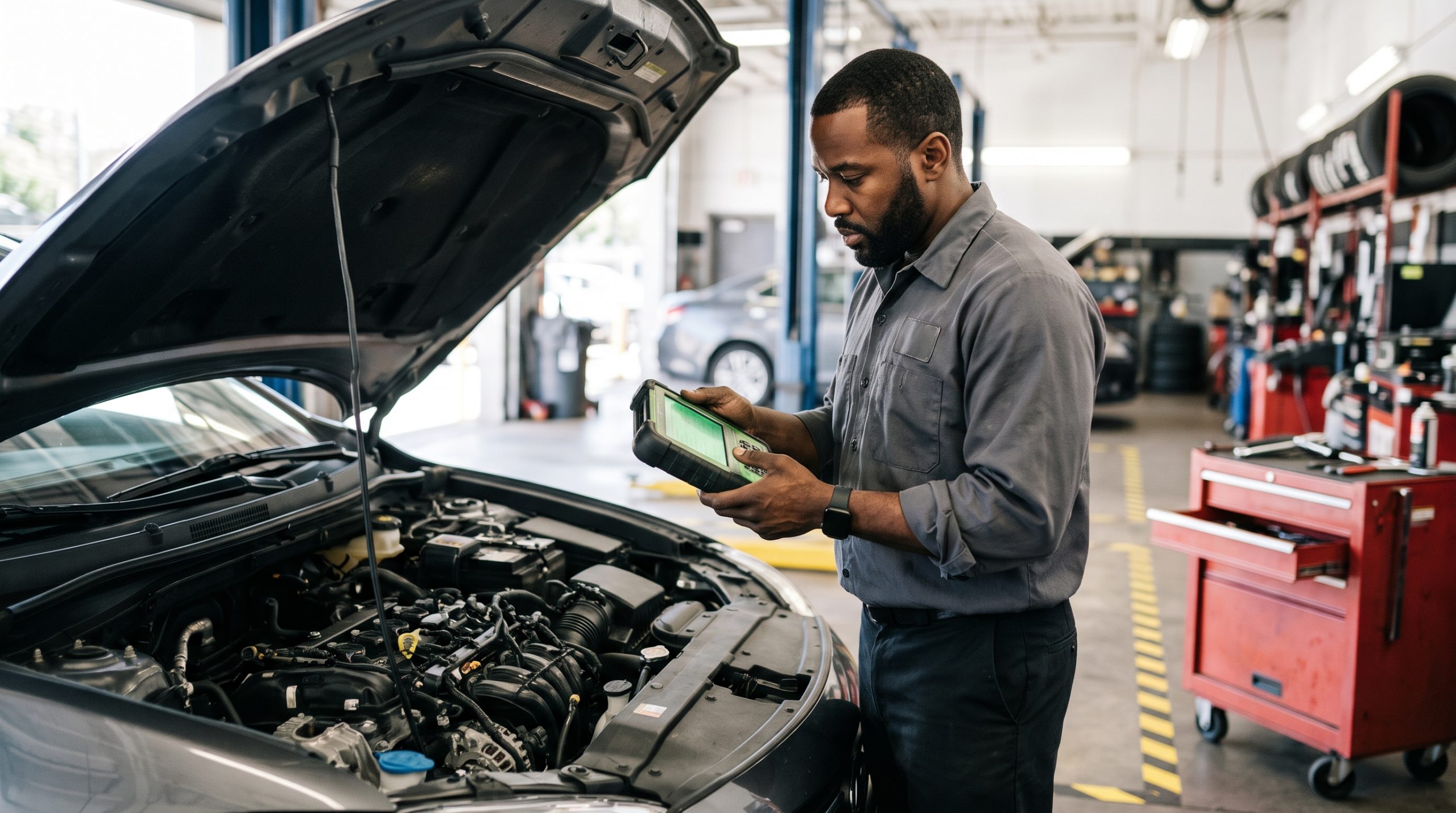
Every modern vehicle runs onboard diagnostics (OBD) software that watches two oxygen sensors positioned around the catalytic converter. The sensor ahead of the converter should swing between rich and lean readings as the engine runs. The sensor behind it should stay comparatively steady once the converter is doing its job.
When the computer sees the downstream sensor mirroring the upstream one too closely, it logs a P0420 catalyst efficiency code (aa1car.com). That means the converter appears to be cleaning exhaust less effectively than its programmed threshold. It does not mean the converter has stopped working entirely.
The Diagnostic Triage Before You Replace Anything
A P0420 code does not always mean the converter is dead. A leak in the exhaust ahead of the downstream sensor can let outside air reach it and fool it into reporting poor catalyst efficiency (aa1car.com). Fuel pressure running too high or too low, or a failing oxygen sensor itself, can trigger the same code with a healthy converter underneath.
A shop should pull every stored code, not just P0420, and check for exhaust leaks and sensor wiring damage first. A stored misfire code is also worth ruling out, since an unburned charge dumped into the converter can skew the downstream sensor’s reading too.
If the readiness monitors have not completed a full drive cycle after a repair, the light can come back even when the fix was correct. That is part of why a cleared code can still fail a retest (Check Engine Light Off, Emissions Test Still Fails).
Only once exhaust leaks, fuel trim, and sensor readings check out clean does a failing converter become the most likely explanation.
Catalytic Converter Replacement Cost: OEM vs. Legal Aftermarket
Replacement cost depends heavily on whether the shop uses an original equipment manufacturer (OEM) part or an aftermarket one. AAA’s own estimate table shows a Honda-class vehicle running $900 to $2,000 for an OEM converter plus $100 to $200 labor, for $1,000 to $2,200 total (AAA). The same job with a federal-compliant aftermarket part runs $200 to $400 for the part plus the same labor, for $300 to $600 total.
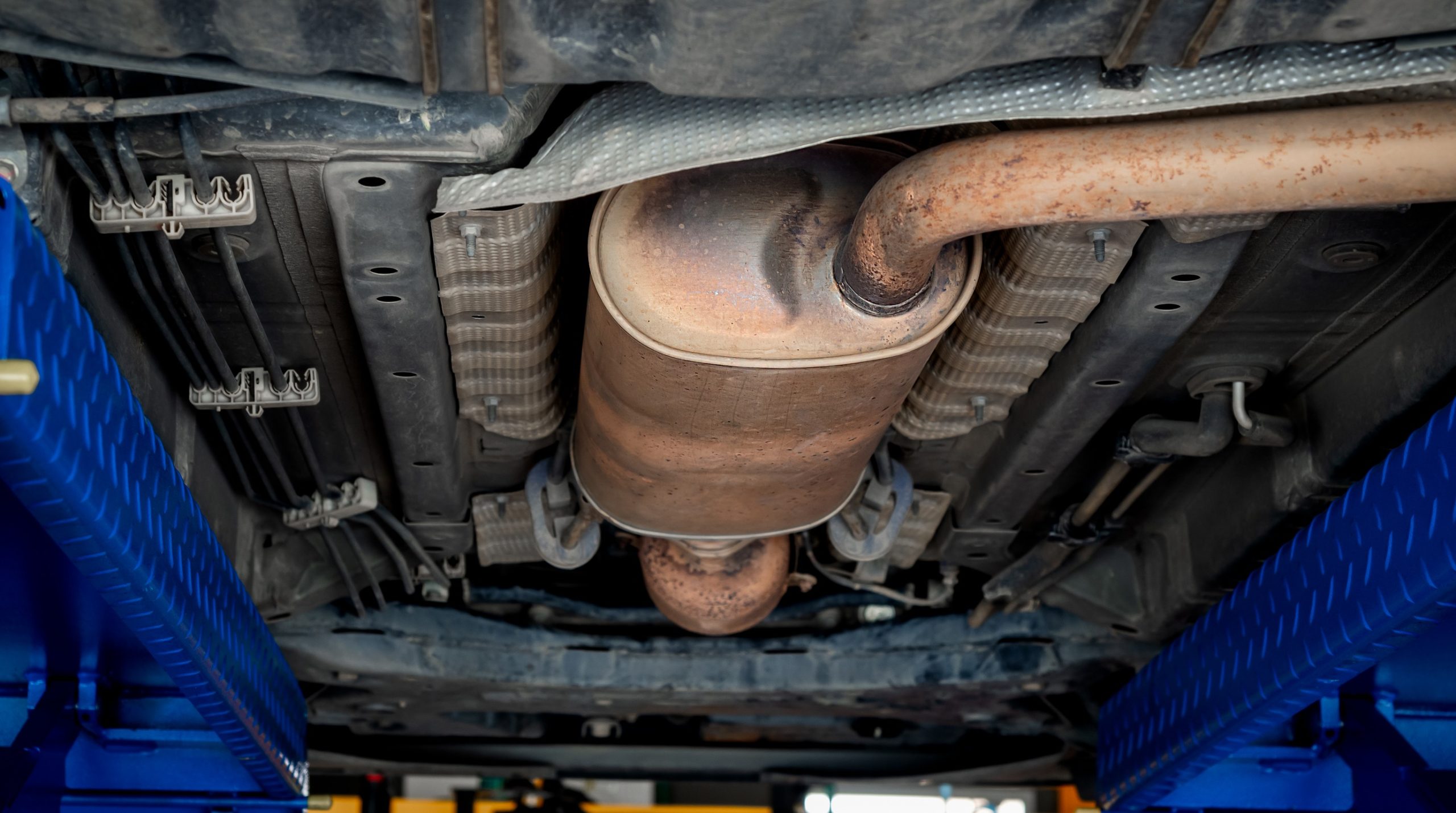
AAA’s table shows a similar spread on a Ford: $800 to $2,400 for an OEM converter versus $350 to $700 for the aftermarket part, plus $150 to $300 labor.
That math favors aftermarket parts by $700 to $1,600 on a comparable job, but not in every state. The Environmental Protection Agency (EPA) sets the federal emissions floor, while California’s Air Resources Board enforces a stricter state standard. CARB-compliant converters cost more because they carry additional precious metals, per AAA.
California law requires any aftermarket converter sold or installed in the state to carry a CARB exemption Executive Order number. That rule has applied to every new aftermarket converter sold in California since January 1, 2009 (California Air Resources Board). Installing a non-certified part in a CARB state can fail a smog check even if the part runs fine.
Most states outside California and the handful that adopt its emissions program allow the cheaper EPA-only aftermarket converter, which is where most of that $700 to $1,600 savings shows up.
After a Theft: What to Do Before You Buy a Replacement
Catalytic converters are a common theft target because of the precious metals inside them, and a theft puts you through the same OEM-versus-aftermarket decision on a tighter timeline. Get a written shop quote before authorizing work, and confirm the part is legal in your state before anyone orders it.
Comprehensive auto insurance sometimes covers converter theft, so a call to your carrier is worth making before paying out of pocket. Whether the converter was stolen or just failed a P0420 diagnosis, the same cost math and legal rules above decide what you should buy.
Frequently asked questions
What does a P0420 code mean? P0420 means the onboard diagnostics (OBD) system detected the catalytic converter cleaning exhaust less effectively than its programmed threshold. It does not automatically mean the converter has failed. A bad oxygen sensor, an exhaust leak, or a fuel pressure problem can trigger the identical code.
Can a bad oxygen sensor cause a P0420 code? Yes. An exhaust leak ahead of the rear oxygen sensor can let outside air reach it, making a healthy catalytic converter look inefficient. A failing sensor itself, or incorrect fuel pressure, can also trigger P0420 without the converter being the real problem.
Can I install an aftermarket catalytic converter in California? Only if it carries a California Air Resources Board (CARB) exemption Executive Order number. California has required CARB-certified aftermarket converters on every new part sold or installed in the state since January 1, 2009. A non-certified part can fail a smog check.
How much does catalytic converter replacement cost? AAA’s published ranges show roughly $1,000 to $2,200 total for an original equipment manufacturer (OEM) converter on a common sedan. A federal-compliant aftermarket part with the same labor runs $300 to $600, though CARB-certified parts legal for California cost more than standard aftermarket ones.
Leave a Reply