6 min read · Last updated September 28, 2026
- AAA (the American Automobile Association) reports that “roughly half the profit on a typical repair job comes from the parts, not the labor,” which is why shops rarely waive the markup.
- A standard independent-shop labor warranty runs 12 months or 12,000 miles, per a documented trade-industry account. NAPA (National Automotive Parts Association) AutoCare’s own nationwide warranty runs longer, 36 months or 36,000 miles, but specifically excludes customer-supplied parts from that coverage regardless of its length.
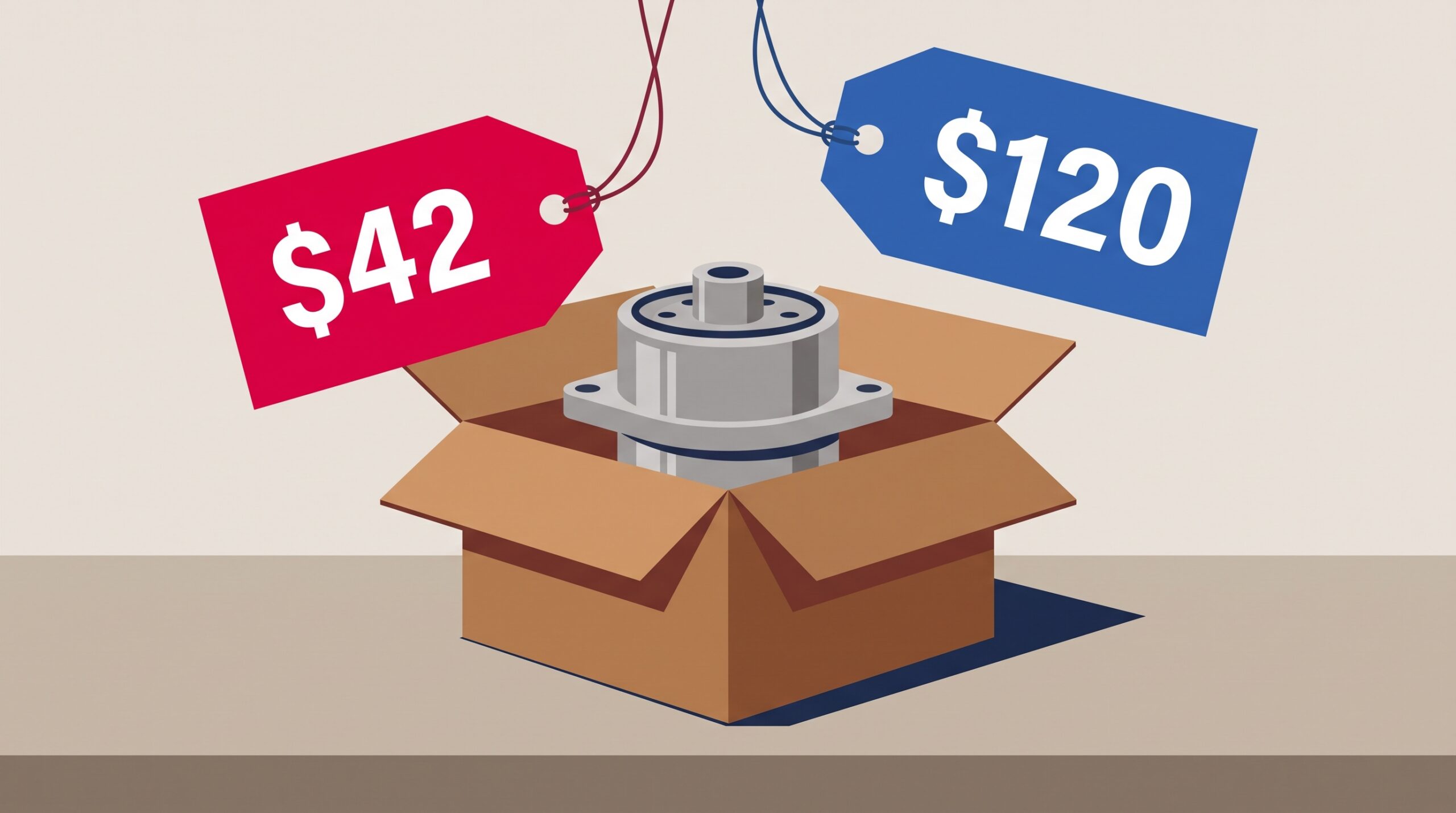
- A documented trade-industry example: a $42 online wheel bearing installed for a $120 shop-sourced quote, a $78 markup gap that funds the shop’s warranty.
- Industry accounts put a shop’s unbillable time on a customer-supplied-part comeback at 3 to 5 hours, which is the real cost behind the refusal policy, not simple stubbornness.
Most independent shops will not install a part you bought online, because the parts markup, not the labor charge, is what funds the free labor warranty most shops offer. If you supply the part yourself and it fails, you typically pay the removal-and-reinstall labor a second time, with no warranty covering either the part or the labor.
In this article
- What the Shop’s Markup Actually Pays For
- Why the Warranty Excludes Parts You Bring In
- What a Labor-Only Deal Voids, and What It Doesn’t
- The Math on the Savings That Isn’t
- Frequently asked questions
Derek Voss needed a wheel bearing for his 2015 Ford Fusion and found one online for $42. The independent shop he’d used for six years quoted $120 for the identical part before it would even discuss labor. When Derek asked why the gap was so wide, the service writer told him something most shops don’t say out loud. The markup on that $78 difference is what pays for the warranty if the bearing fails. Derek pushed back, brought in his own $42 bearing, and paid for an hour and a half of labor, $210 at the shop’s $140-an-hour rate, to have it installed. Four months later, the bearing failed. There was no warranty on the part and none on the labor. He paid the same $210 in labor a second time, on top of buying a new bearing.
What the Shop’s Markup Actually Pays For
Independent shops mark up parts well above the price a customer can find online, and that gap is not simple profit-taking. AAA states plainly that “roughly half the profit on a typical repair job comes from the parts, not the labor,” and a shop cannot walk away from that revenue without changing how it prices labor instead. A documented trade-industry account described exactly this kind of gap: a shop quoting $120 to install a wheel bearing the same customer had found online for $42, a $78 difference on a single part. That money funds more than the person at the counter. It pays a parts staffer to source the correct part, verify it fits the vehicle, handle the return if it’s wrong, and administer the warranty claim if it fails after installation. Strip the markup out of the job and the shop is left doing the same labor with none of that coverage behind it.
Why the Warranty Excludes Parts You Bring In
A standard independent-shop labor warranty runs 12 months or 12,000 miles, whichever comes first. Shops in AAA’s own Approved Auto Repair network extend that to 24 months or 24,000 miles for AAA members. NAPA AutoCare’s nationwide Peace of Mind warranty, honored at independent shops across the country, states the exclusion in writing: it specifically excludes any repair involving customer-supplied parts from coverage. The reason is comeback labor. When a shop-sourced part fails, the shop absorbs the cost of pulling it back out under its own warranty and can often recover something from the parts supplier. When a customer-supplied part fails, industry accounts put a shop’s unbillable time on that comeback, diagnosis, the conversation with an unhappy customer, the second repair, at three to five hours. A shop that warranties labor on a part it never sold is agreeing to absorb that cost with no supplier to share it with.
What a Labor-Only Deal Voids, and What It Doesn’t
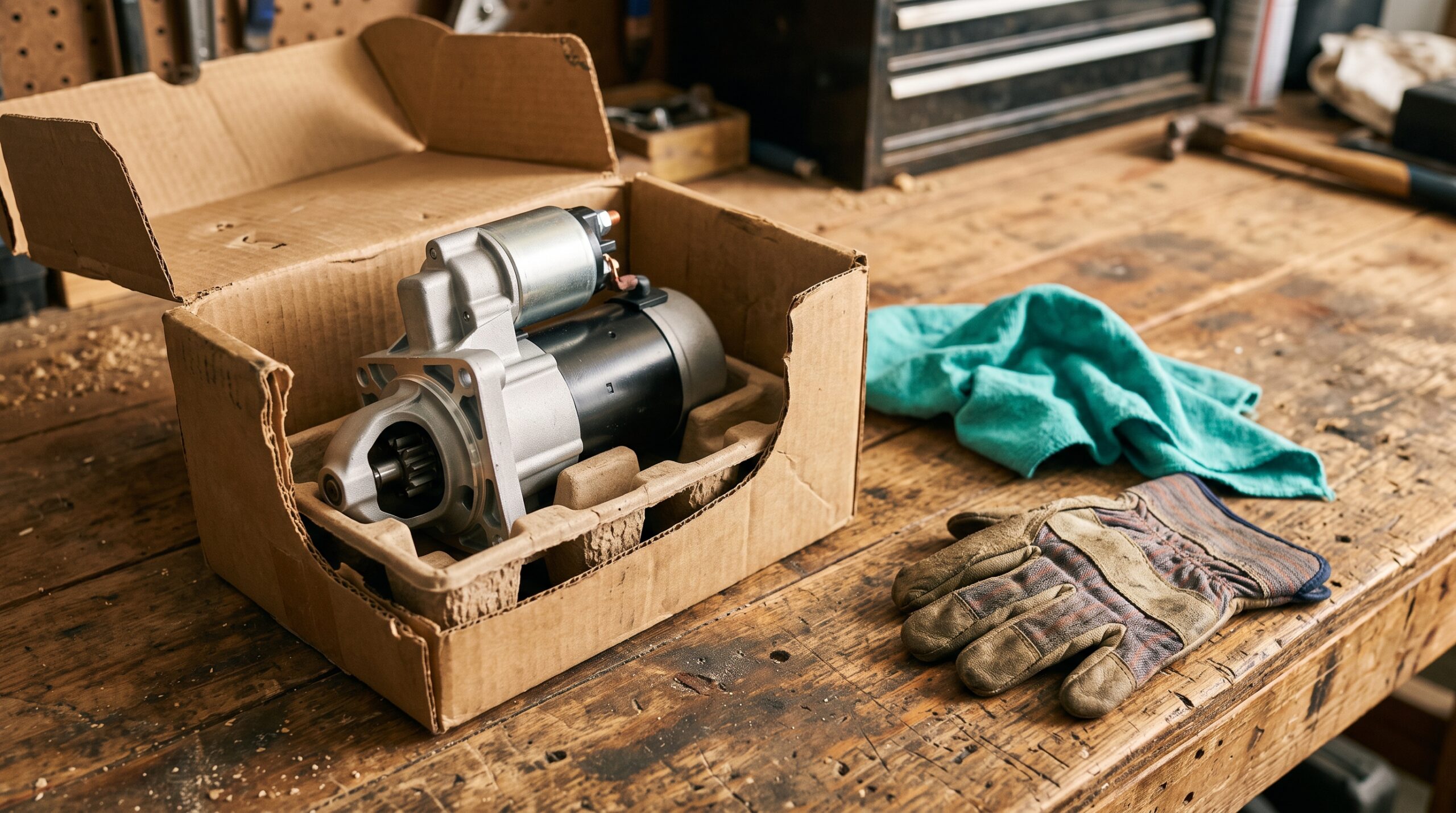
Some shops will still install a customer-supplied part, usually at a higher labor rate and with a signed waiver excluding that specific repair from the shop’s standard warranty. That agreement voids the labor warranty on the part you supplied, even if the failure looks like a bad installation rather than a bad part. It does not void your vehicle’s manufacturer warranty. The Magnuson-Moss Warranty Act protects that, regardless of shop or parts source, through an anti-tying rule the Federal Trade Commission (FTC) describes as barring a manufacturer from conditioning coverage on parts from one particular brand. A labor-only deal doesn’t obligate the shop to inspect your part before installing it, so a wrong or counterfeit part is your problem to catch. Get the shop to state in writing what is and isn’t covered. A refusal to put it in writing is itself the answer.
The Math on the Savings That Isn’t
AAA’s Approved Auto Repair network labor-rate survey, last updated in 2017, put the range at $47 to $215 an hour depending on region, and shops nationally still commonly fall in the middle of that spread. Derek’s shop charged $140 an hour for the 1.5-hour wheel bearing job. Shop-sourced path: $120 for the part plus $210 in labor equals $330, with 12 months of parts-and-labor coverage included. Customer-supplied path: $42 for the part plus the same $210 in labor equals $252, a $78 savings up front. If the part fails in month four, the way Derek’s did, the customer pays the $210 labor bill again with nothing recovered from the shop or a parts warranty. Total cost: $462, which is $132 more than paying the shop’s price once and having the failure covered for free. The $78 saved on the part only stays saved if the part never fails inside the window a shop’s warranty would have covered.
Frequently asked questions
Can a shop legally refuse to install a part I bought myself? Yes. No federal or state law forces an independent shop to install a part a customer supplies. Shops decline for business reasons, mainly the lost parts markup and the labor-warranty exposure if the part fails. Some shops will do the job anyway, usually at a higher labor rate and with the warranty on that repair excluded in writing.
Does bringing my own part void my car’s manufacturer warranty? No. The Magnuson-Moss Warranty Act protects your vehicle’s manufacturer warranty no matter which shop or parts source you use for routine repairs and maintenance. What changes is the shop’s own labor warranty. NAPA AutoCare’s nationwide warranty runs 36 months or 36,000 miles, but like most independent-shop warranties, it specifically excludes customer-supplied parts from coverage regardless of length.
How much do shops typically mark up parts? It varies by part and by shop, but AAA reports that parts markup provides roughly half the profit on a typical repair job, not just the labor charge. One documented trade-industry example showed a $42 online part quoted at $120 installed, a $78 gap. That revenue funds sourcing, fitment checks, and the warranty backing the repair.
What happens if a customer-supplied part fails? The customer typically pays to remove and replace it a second time, at full labor cost, since the shop’s labor warranty doesn’t cover a part it didn’t sell. Some parts stores will exchange a defective part under the manufacturer’s warranty, but that warranty rarely covers the labor to pull the failed part and reinstall the replacement.
Will a shop charge more labor if I supply the part? Many will, and it’s a fair trade for the customer. A higher labor rate on a labor-only job compensates the shop for the risk of installing an unverified part with no supplier backing it. Ask for that rate in writing before the work starts, along with a clear statement of what the labor warranty does and doesn’t cover.
Leave a Reply