6 min read · Last updated August 19, 2026
- A stored “freeze-frame” snapshot records the exact engine speed, coolant temperature, vehicle speed, and load the instant a fault is detected, a feature required on every gasoline vehicle sold in the U.S. since the 1996 OBD-II mandate, and one a basic parts-store code reader never displays.
- California’s Bureau of Automotive Repair regulation requires a shop to give you a written estimate for diagnostic teardown work and get your authorization before charging for it, the legal hook behind “pay for diagnosis once.”
- At the $120 to $159 an hour most shops charge (2025 PartsTech data cited by AAA), a repeated 1.25-hour diagnostic visit runs roughly $150 to $200 each time. Two visits chasing the same fault can run $300 to $400 before a single part is bought.
- Writing down the exact conditions the moment a fault happens, temperature, time since starting, speed, and load, can turn a second $181 diagnostic visit into a five-minute recheck, cutting a $362 two-visit total nearly in half.
In this article
- Why the shop can’t fix what it can’t reproduce
- What a freeze-frame actually captures
- The math on paying for diagnosis twice
- How to document it so you don’t pay twice
- Frequently asked questions
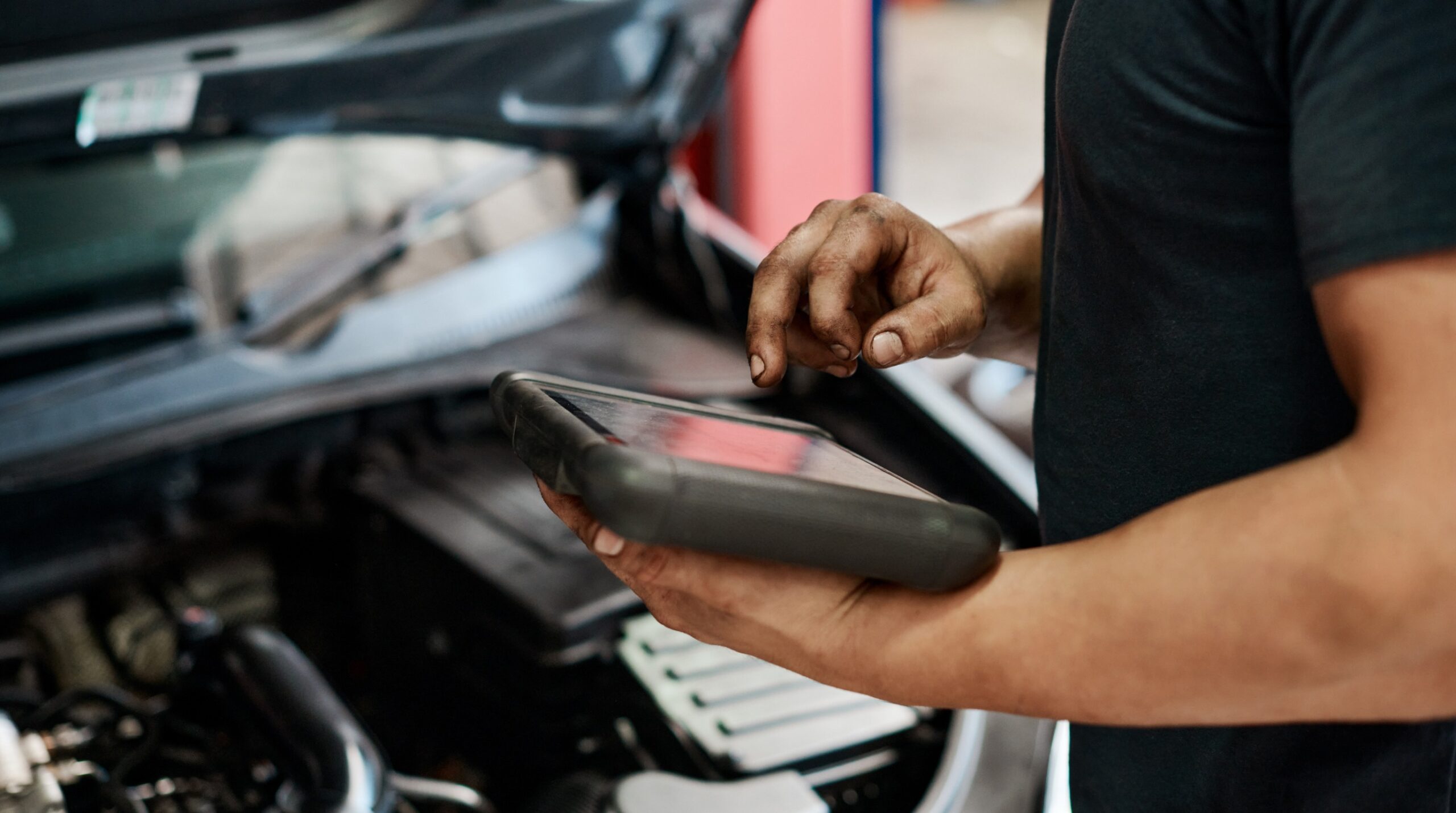
Diane’s 2017 Chevrolet Equinox stumbles and hesitates every morning before 7 a.m., then drives perfectly by the time she pulls into the shop’s lot at 9. The technician plugs in a scan tool, finds no stored trouble code, and hands her a bill for $178 in diagnostic labor anyway, for confirming the car ran fine while he was looking at it.
Why the shop can’t fix what it can’t reproduce
A check engine light turns on because the car’s onboard computer detected something outside spec, but the light and a stored trouble code are not the same event. Most codes require a fault to repeat across more than one drive cycle before the computer commits it to memory. An intermittent problem, one that only shows up cold, only at highway speed, or only after 20 minutes of driving, can trip the light once, clear itself, and leave nothing behind for a shop to read the next morning. When you bring the car in and the fault has already cleared, the technician isn’t being dismissive by finding nothing. There is genuinely nothing stored to find, and the shop still has to bill for the time spent confirming that. Whether a second diagnostic visit is worth paying for in that situation depends on the fault category; see when a second opinion diagnostic fee is worth paying.
That’s the real cost driver here, not a dishonest shop. The Federal Trade Commission’s consumer guide to auto repairs is direct about this: many repair shops charge for diagnostic time, and you have a right to ask what that charge will be before the technician starts. Ask that question up front, every time, whether or not the light is on when you arrive.
What a freeze-frame actually captures
When a fault does trip a stored code, most vehicles built since the mid-1990s also save a “freeze-frame,” a snapshot of engine RPM, coolant temperature, vehicle speed, calculated load, and fuel trim at the exact moment the fault was flagged. A $20 parts-store code reader can usually show you the code’s number. It rarely shows you the freeze-frame, and it almost never shows Mode 06 data, the ongoing self-test results for monitored components that a shop-level scan tool can pull even between full fault events. That’s the difference between “the light was on” and “the light was on at 22 degrees, idling, two minutes after startup,” and it’s the second version that actually lets a technician reproduce the problem on purpose instead of waiting for it to happen again on its own.
The math on paying for diagnosis twice
Most independent and dealer shops price labor between $120 and $159 an hour, according to a 2025 PartsTech industry report cited in AAA’s own breakdown of mechanic labor rates. A mobile mechanic is a third channel with a different cost structure entirely, worth calling before assuming the shop rate is the only number that matters. Take the middle of that range, $145 an hour, and a typical 1.25-hour diagnostic visit runs $181.25, call it $181. If the fault doesn’t reproduce that day and you come back two weeks later when it happens again, that’s a second 1.25-hour diagnostic charge, another $181. You’ve now spent $362 finding nothing, before a single part has been replaced. Document the exact trigger conditions on the first visit, and the shop can often confirm the cause from that description alone, or catch it with a five-minute recheck instead of a second full diagnostic session, cutting that $362 close to $181.
How to document it so you don’t pay twice
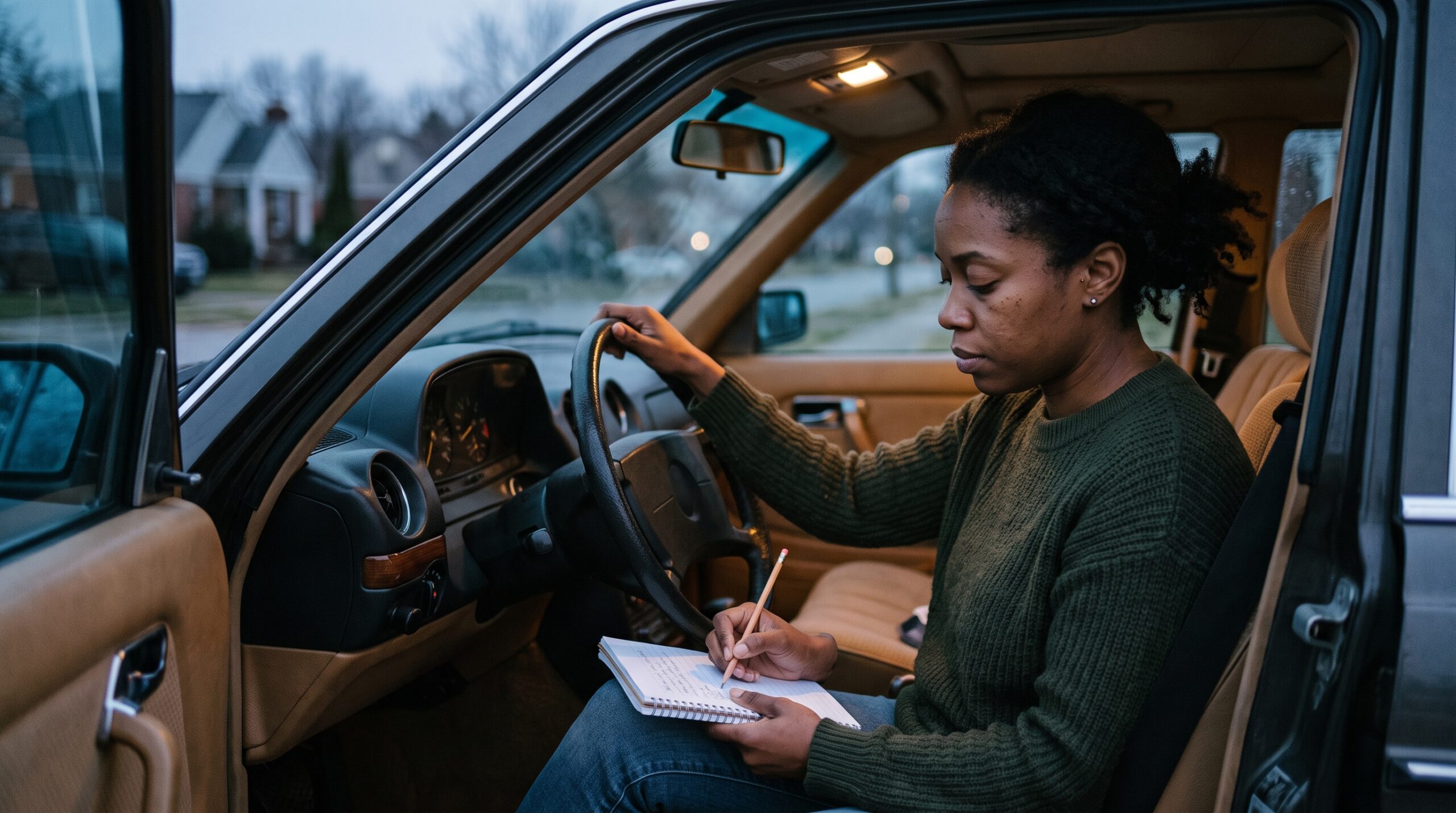
Every time the fault happens, write down: the time of day and outside temperature, how many minutes since you started the car, your speed and what the car was doing (idling, accelerating, cruising), and whether the warning light flashed briefly or stayed on steady. Hand that list to the service writer before any diagnostic work starts, not after.
California gives sellers a concrete legal example of why this matters. Under 16 CCR § 3353, the state’s Bureau of Automotive Repair regulation, a shop that needs to tear a vehicle down to diagnose a problem must first give the customer a written estimate for that teardown and get authorization before doing it, then provide an itemized estimate for the actual repair once the cause is found. That structure exists specifically so a customer isn’t billed a second time for work they never approved. Other states vary in how tightly they regulate this, but the underlying question works everywhere: before you leave the first visit, ask directly whether a second diagnostic charge applies if the fault doesn’t reproduce that day, and get the answer in writing on the work order.
A related mistake worth avoiding: don’t assume a cheap check-engine code triage reading tells the whole story on an intermittent fault the way it can on a steady one. Codes that stay on are a different animal than codes that come and go, and the diagnostic approach, and the written repair estimate that should follow it, needs to reflect that difference.
Frequently asked questions
What is a “freeze-frame” and why does it matter more than the code itself? A freeze-frame is a snapshot of engine conditions, speed, temperature, load, and RPM, saved the instant a fault is detected. The code tells you what failed; the freeze-frame tells you the exact circumstances that caused it, which is what a technician actually needs to reproduce and fix an intermittent problem.
Why doesn’t a cheap parts-store code reader show the same information as a shop’s scan tool? Basic code readers are built to display stored trouble codes, not the freeze-frame data or Mode 06 test results tied to them. A shop-level scan tool pulls both, which is one reason a $20 reader and a $150 diagnostic visit aren’t interchangeable for an intermittent fault.
Can I ask a shop not to charge me twice for the same intermittent problem? Yes, and you should ask before the first visit ends. Request in writing whether a second diagnostic charge applies if the fault doesn’t reproduce, and hand over your documented trigger conditions so the shop has a real chance to catch it the first time.
Do I need Mode 06 data as a car owner? Not directly. Mode 06 is a technical layer a shop’s scan tool reads, showing pass/fail margins on monitored components even without a full fault event. What matters to you is knowing it exists, so you can ask whether the shop pulled it before declaring “no problem found.”
Should I keep a written log if my check engine light keeps coming and going? Yes. Note the date, time, outside temperature, minutes since startup, speed, and what the car was doing every time it happens. A pattern across three or four entries is often enough for a technician to reproduce the fault on the lift instead of waiting for it to happen during a road test.
Leave a Reply