7 min read · Last updated October 16, 2026
- A 21-day rental at a $55-a-day market rate runs $1,155, and that cost defaults to the car owner unless a named coverage applies.
- Rental reimbursement coverage, an auto-insurance add-on, typically caps out around $30 a day and $600 total, per a real-world example Nationwide publishes.
- General Motors (GM)’s own Courtesy Transportation Program caps a loaner allowance at 3 days for a locally sourced part or 5 days for an express-shipped one. Any loaner running 7 days or longer must be routed through manual “GM Authorization,” and GM states the program isn’t part of the warranty at all.
- Ford’s warranty guide explicitly disclaims the cost of rental vehicles, so the same backorder wait can mean zero coverage depending on the brand.
A 21-day parts-backorder wait can cost $1,155 in rental fees, and a rental-reimbursement rider typically covers only the first $600 of it. Past that, coverage exists only when a named insurance rider or manufacturer program applies.
In this article
- Who pays for the rental car depends on why it’s in the shop
- When insurance pays: rental reimbursement coverage
- When the manufacturer pays: warranty loaner programs
- When nobody pays: independent-shop repairs
- Frequently asked questions
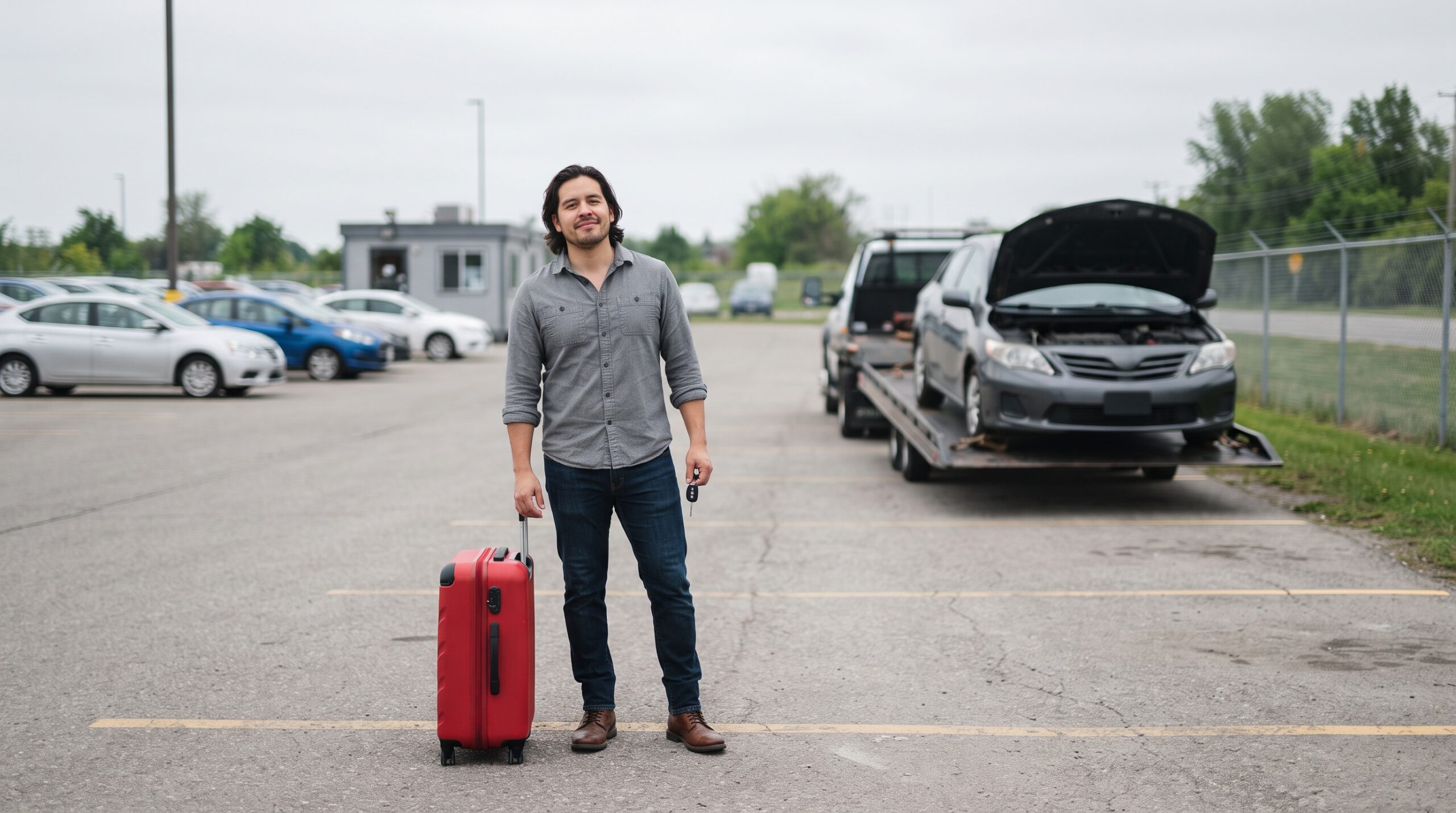
A three-week wait for a backordered part can cost $1,155 in rental-car fees. Who pays for the rental car depends on one thing: whether a specific insurance rider or manufacturer program says they will.
Most owners assume the shop, the manufacturer, or their insurer is quietly covering the gap. Usually none of them are, and the assumption only surfaces as a problem when the final bill arrives.
Who Pays for the Rental Car Depends on Why It’s in the Shop
A parts backorder is not, by itself, a trigger for anyone to pay you anything. It just extends however long the car is already going to be there. What determines who pays is the reason the repair exists in the first place.
There are three real paths. An insurance-covered collision or comprehensive claim can carry a rental-reimbursement rider. A manufacturer warranty or recall repair might include a loaner provision, or might explicitly exclude one.
An independent-shop repair with no insurance claim or active warranty carries no built-in coverage, and that is where most backorder waits land. If a shop’s own repeat failure is what extended your wait, who actually owes you money for it works differently than a simple parts delay does.
When Insurance Pays: Rental Reimbursement Coverage
Rental reimbursement coverage is a named, optional add-on to an auto policy. The Texas Department of Insurance names it as the coverage that funds a rental when your own car is stolen or sitting in a shop after an accident.
The key word is “accident.” This coverage attaches to a covered insurance claim, not to any day your car happens to be in a shop.
Say your car is already in for a covered collision or comprehensive repair, and the shop is now waiting on a backordered part. The rider keeps paying, but only up to its own limits.
Nationwide’s own coverage example lays out the typical structure. A policy written as 30 over 600 pays $30 a day up to a $600 total, for the entire repair, however long it runs.
Run that against a 21-day wait at a realistic $55-a-day rental rate: the real cost is $1,155. At $30 a day, the $600 cap is reached on day 20, leaving nothing for day 21.
The policy covers only $30 of each $55 charged for 20 days, a $500 gap, then nothing on day 21. The owner’s full 21-day gap lands at $555, paid out of pocket on a claim that was otherwise fully covered.
When the Manufacturer Pays: Warranty Loaner Programs
A warranty or recall repair is a different animal, and your auto insurer has no role in it at all. Whether you get a loaner now depends entirely on what your manufacturer’s own program promises, and that varies by brand.
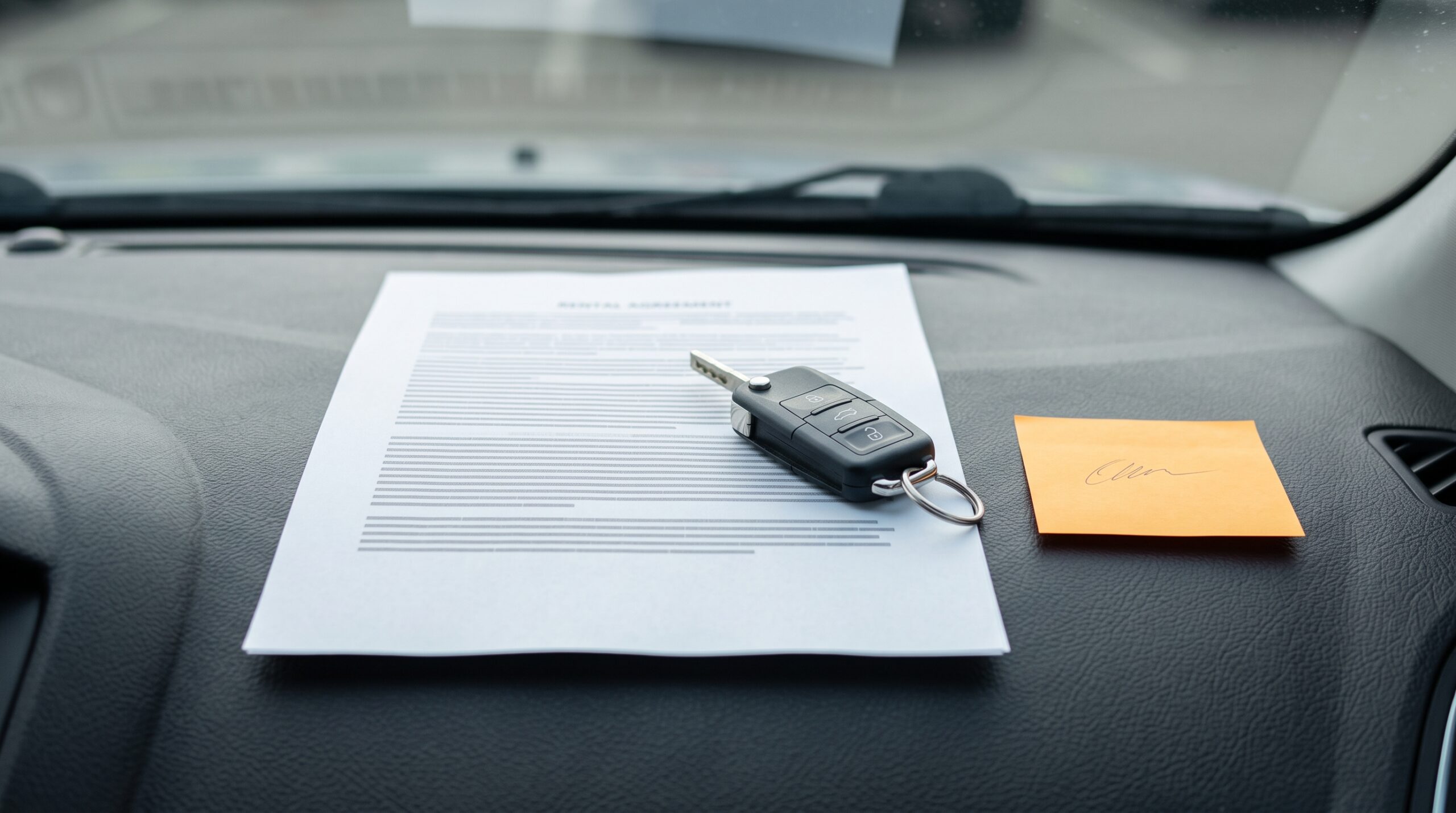
GM runs a named Courtesy Transportation Program. Its own 2025 warranty-administration bulletin caps a qualifying loaner at $46 a day. The backorder detail matters directly: the bulletin caps the loaner allowance at 3 calendar days when a part is sourced locally, or 5 days when it ships express.
Any loaner running 7 calendar days or longer must be routed through manual “GM Authorization” before the dealership can keep it going. The same bulletin states plainly that Courtesy Transportation and Roadside Assistance “are not part of or included in the coverage provided by the New Vehicle Limited Warranty.” GM can also modify or discontinue the program at any time.
Ford draws the line even more plainly. Ford’s own warranty guide states that Ford and the dealer “are not responsible for… the cost of rental vehicles” during a warranty repair, full stop. Two owners with an identical backorder wait can land on entirely different outcomes, depending only on the badge on the hood.
| Scenario | Who can pay | Typical cap | 21-day gap at $55/day |
|---|---|---|---|
| Insurance-covered repair with rental rider | Your own insurer | $30/day, $600 total (Nationwide example) | $555 out of pocket |
| Manufacturer warranty repair (GM-style program) | Automaker, if authorized | $46/day, allowance capped at 3-5 days by part-sourcing type | Day 7 and beyond requires manual automaker authorization |
| Independent-shop repair, no claim, no warranty | Nobody by default | None | $1,155 out of pocket |
When Nobody Pays: Independent-Shop Repairs
This is the default, not the exception. No collision claim, no comprehensive claim, no active manufacturer warranty, and the car sits at an independent shop. Nothing above applies, and the rental bill is entirely yours.
Name the inputs: 21 days, at $55 a day for a comparable economy rental, is $1,155. No rider pays it, no manufacturer program touches it, because neither one was ever in the picture for this repair. That number is what to budget the moment a shop tells you a part is backordered for weeks, not after the rental bill shows up.
Only the repair history itself can still shift who pays. If the same shop already failed to fix the same problem once or twice before the part went on backorder, that repeat failure can shift financial responsibility. That is a separate question from a routine parts delay, governed by breach-of-warranty or state lemon-law rules.
A clean first attempt that is simply waiting on a part gives you no such claim. The wait is legitimate, and so is the bill.
Frequently asked questions
Does my car insurance always pay for a rental while my car is in the shop? No. Rental reimbursement coverage only applies when the repair itself comes from a covered collision or comprehensive insurance claim. A warranty repair, a recall, or a routine mechanical failure with no claim filed gets no help from this coverage, no matter how long the backorder runs.
What is rental reimbursement coverage, and how do I know if I have it? It is a separate, optional add-on to your auto policy, not something every driver carries automatically. Check your declarations page for a line reading “rental reimbursement” or “transportation expenses.” It is usually shown as a daily limit and a total cap, such as $30 a day up to $600.
Will my manufacturer’s warranty pay for a loaner car during a long repair? It depends entirely on the brand. Some automakers run a named courtesy-transportation program with daily caps and time limits; others state outright in the warranty guide that rental costs are the owner’s responsibility. Read your specific warranty booklet rather than assuming your brand matches another.
What happens once a manufacturer’s loaner program hits its day limit? Past the loaner allowance, typically 3 to 5 days under a parts-backorder delay, a loaner running 7 days or longer must be routed through manual authorization from the automaker. That approval is discretionary, not automatic, so a long backorder can end your loaner before the part ever arrives.
Can I get reimbursed if a repeat failed repair caused the parts delay? Possibly, but only if the shop already attempted and failed the same repair before the part went on backorder. That pattern can support a breach-of-warranty or state lemon-law claim. A first, clean attempt that is simply waiting on parts does not carry the same leverage.
Leave a Reply