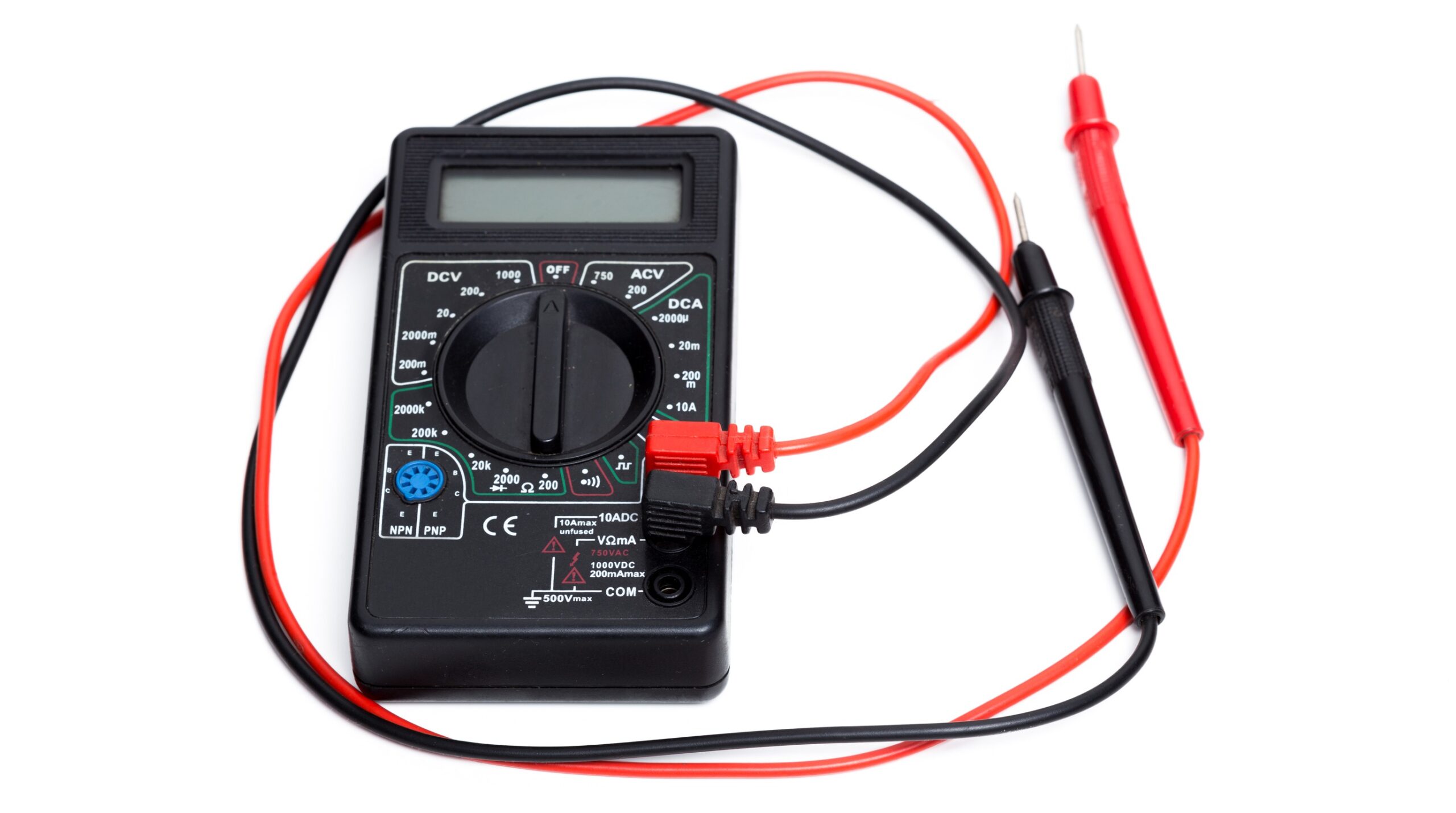
7 min read · Last updated September 30, 2026
- A healthy battery under a load equal to half its rated Cold Cranking Amps (CCA) must hold at least 9.6 volts for 15 seconds. Fall below that after a full charge, and the battery is done, according to two independent battery manufacturers’ own technical guidance.
- AAA, the American Automobile Association, states plainly that a battery “can show a full charge but still have internal damage preventing it from holding a charge,” meaning a starts-fine battery can still fail this test.
- Heat, not cold, is the bigger threat: AAA’s own data shows batteries lasting roughly three years in hot southern climates versus five years or longer in cooler northern ones.
- AAA includes a free diagnostic load test with its mobile battery service, so testing costs nothing while a replacement battery runs $45 to $250 for parts alone.
A load test applies a load equal to half a battery’s rated Cold Cranking Amps (CCA) for 15 seconds and requires the voltage hold at 9.6 volts or higher. A battery that starts a car every morning can still fail this test. Heat, not cold, is the real long-term threat, cutting typical life from five-plus years to about three in hot climates.
In this article
- What a load test actually measures, and why “it starts fine” doesn’t
- Heat, not cold, is what’s actually killing your battery
- Dead battery or dying alternator? The two tests that tell them apart
- What testing costs vs. what guessing costs
- Frequently asked questions
On a Tuesday morning in Phoenix, Carlos’s truck started on the first turn of the key, the same as it had every morning for three summers straight. Four days later it didn’t start at all. Carlos’s truck is a textbook case of how sustained desert heat shortens a battery’s life long before a load test catches it. The shop that towed it in found a battery testing at barely nine volts under load, well below the 9.6 volts a healthy battery needs to hold for even 15 seconds. The battery had been failing for weeks. Nothing about starting the truck that Tuesday morning proved otherwise.
What a load test actually measures, and why “it starts fine” doesn’t
Every battery carries a Cold Cranking Amps (CCA) rating, an industry-standard measure, as AAA describes it, of “how much electrical power a battery can provide at zero degrees Fahrenheit.” A load test checks whether the battery can actually deliver on that rating, not just whether it can turn the engine over one more time. Two independent battery manufacturers describe the same pass-fail mechanic, confirmed separately here: apply a load equal to half the battery’s rated CCA for 15 seconds, and the voltage must hold at 9.6 volts or higher. Fall short after a full recharge, and the battery is condemned, since CCA capacity only goes down with age, never back up. A battery can pass every casual check a driver performs: AAA states it directly, a battery “can show a full charge but still have internal damage preventing it from holding a charge.”
Heat, not cold, is what’s actually killing your battery
Most drivers assume winter kills a car battery, since a cold morning is when a weak one finally fails to turn over. The actual damage happens in the opposite season. AAA states it in plain terms: “In cooler northern climates, a battery may last five years or longer, but in hot southern locales, a car battery will typically last approximately three years.” The mechanism is chemical, not dramatic: that same AAA reporting explains, “Heat facilitates the chemical reaction car batteries use to generate electricity, but it also increases the rate of battery degradation.” Under-hood temperatures can climb past 200 degrees Fahrenheit in hot weather, cooking a battery’s internal components years before a cold snap ever gets the blame. Kelley Blue Book backs the same pattern independently, putting typical battery life at “3-4 years, or less in regions with high heat and humidity.” A battery in Phoenix or Houston is doing years of extra aging every single summer that a battery in Minneapolis simply isn’t.
Dead battery or dying alternator? The two tests that tell them apart
A dead battery and a failing alternator can look identical from the driver’s seat, and paying for the wrong part fixes nothing. AAA’s own guidance draws the line directly: “If your battery keeps dying, this could be a sign that your alternator isn’t charging the battery enough to start the car. Don’t conclude a dead battery means your battery needs to be replaced. Ask your mechanic to also check your alternator.” The clearest tell is what happens after a jump-start. A battery problem stays fixed once the car is running and gets a normal drive. An alternator problem shows the same dead-battery symptom again within a day or two, because the alternator was never recharging the battery in the first place, jump-start or not.

| Symptom | Points to the battery | Points to the alternator |
|---|---|---|
| Dim headlights at idle | Yes | Yes, both can cause this |
| Clicking sound on key-turn | Yes | Not typical |
| Dies again within a day of a jump-start | Not typical | Yes |
| Warning light stays on while driving | Not typical | Yes |
| Burning rubber or wire smell | Not typical | Yes |
| Frequent jump-starts needed over time | Yes | Yes, if it recurs fast |
What testing costs vs. what guessing costs
Testing a battery costs nothing at most shops that offer the service. AAA’s mobile battery service includes, in its own words, “a free diagnostic test of your car’s battery, and starting and charging systems” with every visit. AAA members get $22 off an AAA-branded replacement battery at National Automotive Parts Association (NAPA) Auto Parts locations. A replacement battery itself runs $45 to $250 depending on size and power, according to Kelley Blue Book. That’s well below the cost of a tow truck and a missed morning if the same battery had failed unannounced on the highway instead of in a driveway. For a battery past year three in a hot climate, or past year five anywhere else, a load test is the cheapest five minutes in the whole maintenance schedule.
Once a battery is confirmed healthy, the same “don’t guess, test” logic applies to a lit check-engine light. See check engine code triage for the same cheap-fix-versus-expensive-repair decision framework, and dealer vs. independent mechanic for where to actually get either test done.
Frequently asked questions
What is cold cranking amps (CCA) and why does it matter for testing? Cold Cranking Amps (CCA) is the industry-standard rating for how much power a battery can deliver at zero degrees Fahrenheit. A load test applies a load equal to half that rating for 15 seconds and checks whether the battery still holds 9.6 volts or higher. That’s what actually predicts whether the battery can start your car reliably, not just whether it did this morning.
Can a battery test as “fully charged” and still be failing? Yes. AAA states directly that a battery can show a full charge but still have internal damage preventing it from holding that charge under real demand. A charge-percentage reading and a load test measure two different things, and only the load test predicts an imminent no-start.
Does heat really wear out batteries faster than cold? Yes, according to AAA’s own data. Batteries in hot southern climates typically last about three years, versus five years or longer in cooler northern climates, because heat speeds up the internal chemical reaction that also degrades the battery over time.
How can I tell if it’s my battery or my alternator? The clearest sign is what happens after a jump-start. If the car dies again within a day or two, the alternator likely isn’t recharging the battery properly. A warning light staying on while driving, or a burning smell, also point toward the alternator rather than the battery itself.
How much does a load test cost, and how often should I get one? Many shops, including AAA’s mobile battery service, include a load test for free with a visit. A replacement battery, if the test fails, runs $45 to $250 for parts. Testing annually once a battery passes year three is a reasonable habit, especially in a hot climate.
Leave a Reply