7 min read · Last updated November 6, 2026
- Running a block heater for a typical 8-hour overnight plug-in costs about $1.04, based on the U.S. Energy Information Administration (EIA) national average residential electricity rate of 18.16 cents per kilowatt-hour for August 2026.
- Ram’s 2022 owner’s manual, a real published manufacturer threshold, recommends a block heater below 0°F and requires one below -20°F.
- A block heater only warms the engine block and coolant. The Alaska Science Forum, published by the University of Alaska Fairbanks’ Geophysical Institute, explains that the oil stays cold and barely lubricates for the first few minutes after a cold start, which is when most engine wear actually happens.
- Cold air alone cuts a conventional engine’s city fuel economy by roughly 15% at 20°F versus 77°F, and idling to warm up burns fuel at 0 miles per gallon without fixing that lubrication problem.
An engine block heater is worth its $150 to $400 install cost once your overnight lows regularly drop below 0°F, the point Ram’s own owner’s manual sets as its recommended threshold, because the electricity to run one costs only about a dollar a night. Above that threshold, the install cost rarely earns its keep.
In this article
- What a block heater actually costs
- Why the oil matters more than the block
- The threshold your owner’s manual actually sets
- The free half of the fix
- The verdict
- Frequently asked questions
What a Block Heater Actually Costs
Installed by a shop, a block heater commonly runs $150 to $400, depending on the engine and how hard the heating element is to reach. That part is a one-time cost. The part that repeats every cold night is electricity, and it is smaller than most people assume.
A typical factory block heater, per Ram’s published 2022 owner’s manual, draws 6.5 amps on a standard 110-volt household outlet. That works out to about 715 watts, or 0.72 kilowatts.
At the EIA’s national average residential electricity price of 18.16 cents per kilowatt-hour for August 2026, plugging one in for a full 8-hour overnight costs about $1.04. Left in for just the one hour the manual calls the minimum for “an adequate warming effect,” it costs about 13 cents.
| What you’re paying | Low estimate | High estimate |
|---|---|---|
| Install cost (one time) | $150 | $400 |
| Cost per night, 1 hour plugged in | $0.13 | $0.13 |
| Cost per night, 8 hours plugged in | $1.04 | $1.04 |
| Cost for a 90-night cold season, 8 hrs/night | $93 | $93 |
| Best for | Climates that rarely see single digits | Climates that regularly see 0°F or colder overnight |
Even run every night for a full 90-night cold season, the electricity itself costs about $93. That is a fraction of the $150 to $400 install bill, so the real decision is not whether you can afford to run one. It is whether your winters actually get cold enough for it to matter.
Why the Oil Matters More Than the Block
Most block-heater buyers never hear this from the shop that installs one: it only heats the engine block and the coolant. It does nothing for the oil.
The Alaska Science Forum, a long-running science column from the University of Alaska Fairbanks’ Geophysical Institute, explains this directly. The engine can start easily once the block is warm, but the oil sitting in the pan is still cold and provides very little lubrication at first. The heaviest engine wear happens in the first few minutes after a cold start, before the oil has circulated and warmed up, not from the cold block itself.
A block-heater-only setup solves the starting problem. It does not solve the lubrication problem. The fix for that is a combined setup: a block or coolant heater paired with an oil pan heater, so both the engine and the oil it needs are warm before you turn the key.
The Threshold Your Owner’s Manual Actually Sets
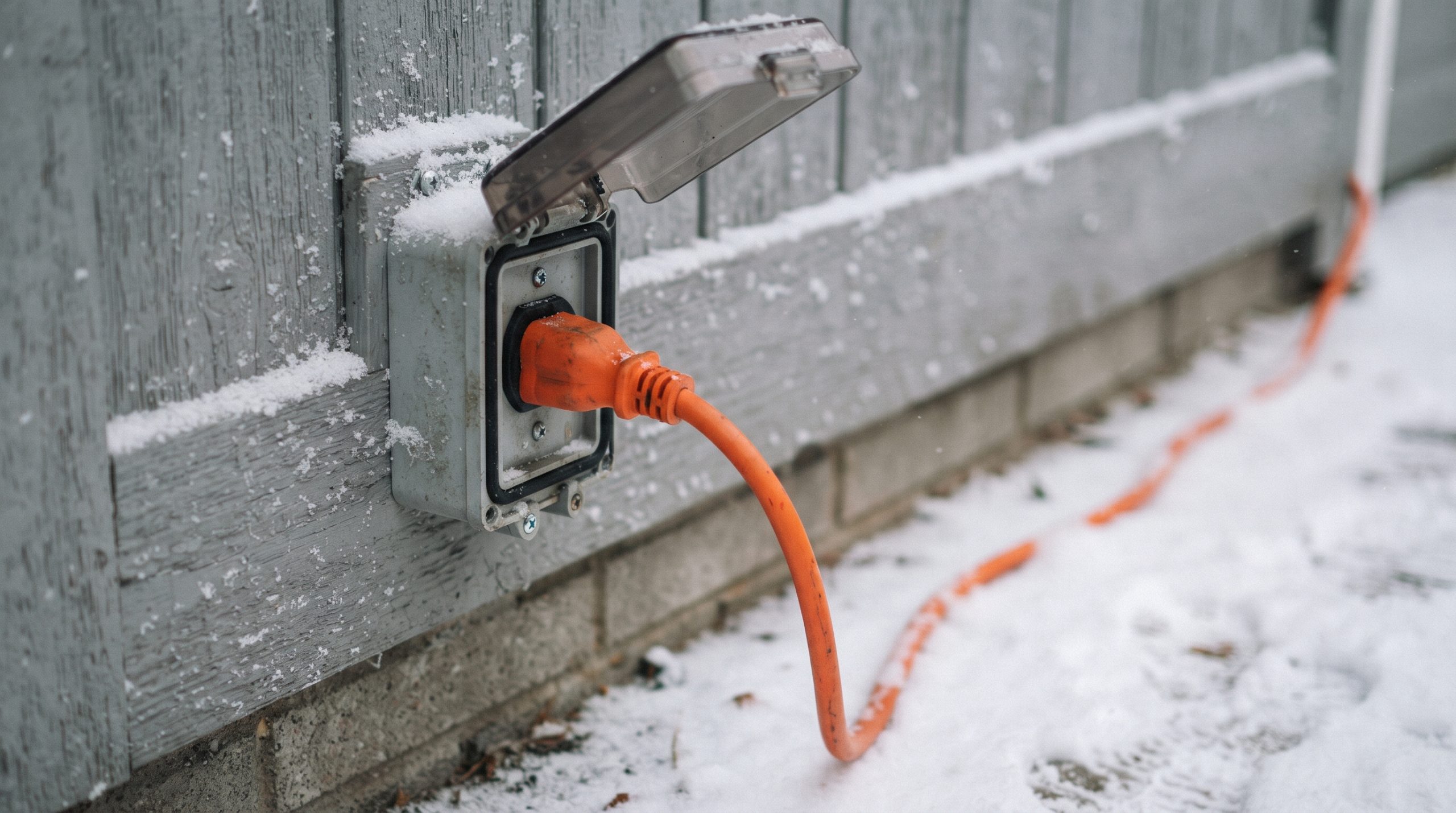
Manufacturers do not leave this to guesswork, and the numbers are more specific than “when it’s cold out.” Ram’s 2022 owner’s manual for the 2500 and 3500 pickups states it in exact terms: block heater usage is recommended for ambient temperatures below 0°F, and required below -20°F.
Your own owner’s manual may set a different threshold, but the pattern holds across manufacturers that equip a block heater at all: it is a tool for real sub-zero cold, not for a chilly 25°F morning. If your coldest overnight lows in a typical winter stay in the teens or twenties, you are very unlikely to ever hit the temperature where a manufacturer says the heater earns its keep.
The Free Half of the Fix
The other half of this problem costs nothing to fix, and it is the part most drivers get backwards. The U.S. Department of Energy’s fueleconomy.gov reports that a conventional gasoline engine’s city fuel economy drops roughly 15% at 20°F compared with 77°F, and idling to warm the car up burns fuel at 0 miles per gallon the entire time.
Letting the car sit and idle does not heat the drivetrain, the transmission, or the oil any faster than driving does. Fueleconomy.gov’s own guidance is that most manufacturers recommend driving off gently after about 30 seconds rather than idling at length. The engine, transmission fluid, and oil all warm up faster under a light load than they do sitting still in the driveway, which shortens the exact window where most wear happens.
The Verdict
If your winters regularly deliver overnight lows below 0°F, a block heater is a cheap, well-supported fix: about a dollar a night against a $150 to $400 install, and it directly addresses the hardest-starting, highest-wear mornings you’ll have. Pair it with an oil pan heater if your vehicle supports one, since the block heater alone leaves the actual lubrication problem untouched.
If your winters mostly stay in the teens and twenties, skip the install cost. Put the money toward the free fix instead: stop idling to warm up, and drive off gently after about 30 seconds. It costs nothing and shortens the same high-wear window a block heater is built to protect.
A block heater is only one piece of cold-weather prep. Check whether your tire pressure is dropping with the temperature and whether winter tires are worth the cost for how you actually drive.
Frequently asked questions
Do I need a block heater if I park in a garage? Usually not. An attached or detached garage typically stays 10 to 20 degrees warmer than the outside air, which often keeps your car above the 0°F threshold manufacturers like Ram use for recommending a block heater. If your garage still drops below 0°F on the coldest nights, the math in this article still applies.
How long should I leave a block heater plugged in? Ram’s owner’s manual calls one hour the minimum for “an adequate warming effect,” which costs about 13 cents at average electricity rates. Many drivers leave it on overnight for convenience, which costs about $1.04 for a full 8 hours. Either way, a timer can limit it to the last couple of hours before you leave.
Does a block heater improve gas mileage? Indirectly, yes. Fueleconomy.gov reports that cold weather alone cuts a conventional engine’s city fuel economy by roughly 15% at 20°F versus 77°F, largely because the engine and transmission take longer to reach an efficient operating temperature. A pre-warmed block shortens that cold window slightly, though driving off gently instead of idling does more for the same reason.
Can I install a block heater myself? It depends on the engine. Some factory-prepped engines have a heater and cord pre-installed from the factory, where it is mainly a matter of running power to it. Others require pulling a freeze plug to install the heating element itself, which is closer to a shop job. A shop quote in the $150 to $400 range usually reflects which situation you’re in.
Is a block heater the same as an oil pan heater? No. A block heater, sometimes built into the coolant jacket, warms the engine block and coolant so the car starts easier. An oil pan heater warms the oil itself, which is what actually provides lubrication the moment you start the engine. The two solve different halves of the cold-start problem, and some vehicles can use both.
Leave a Reply