6 min read · Last updated November 11, 2026
- Goodyear and other tire makers recommend replacing any tire at 6 years from its build date, regardless of remaining tread.
- Continental recommends a semi-annual, twice-a-year inspection of underhood belts and hoses, citing heat as the main driver of rubber failure.
- A cracked serpentine belt or radiator hose is a cheap fix next to the tow bill and overheating damage a roadside failure causes.
- Wiper blade rubber is the one heat-aged part with a clear published number: Kelley Blue Book puts average replacement at $53 to $64.
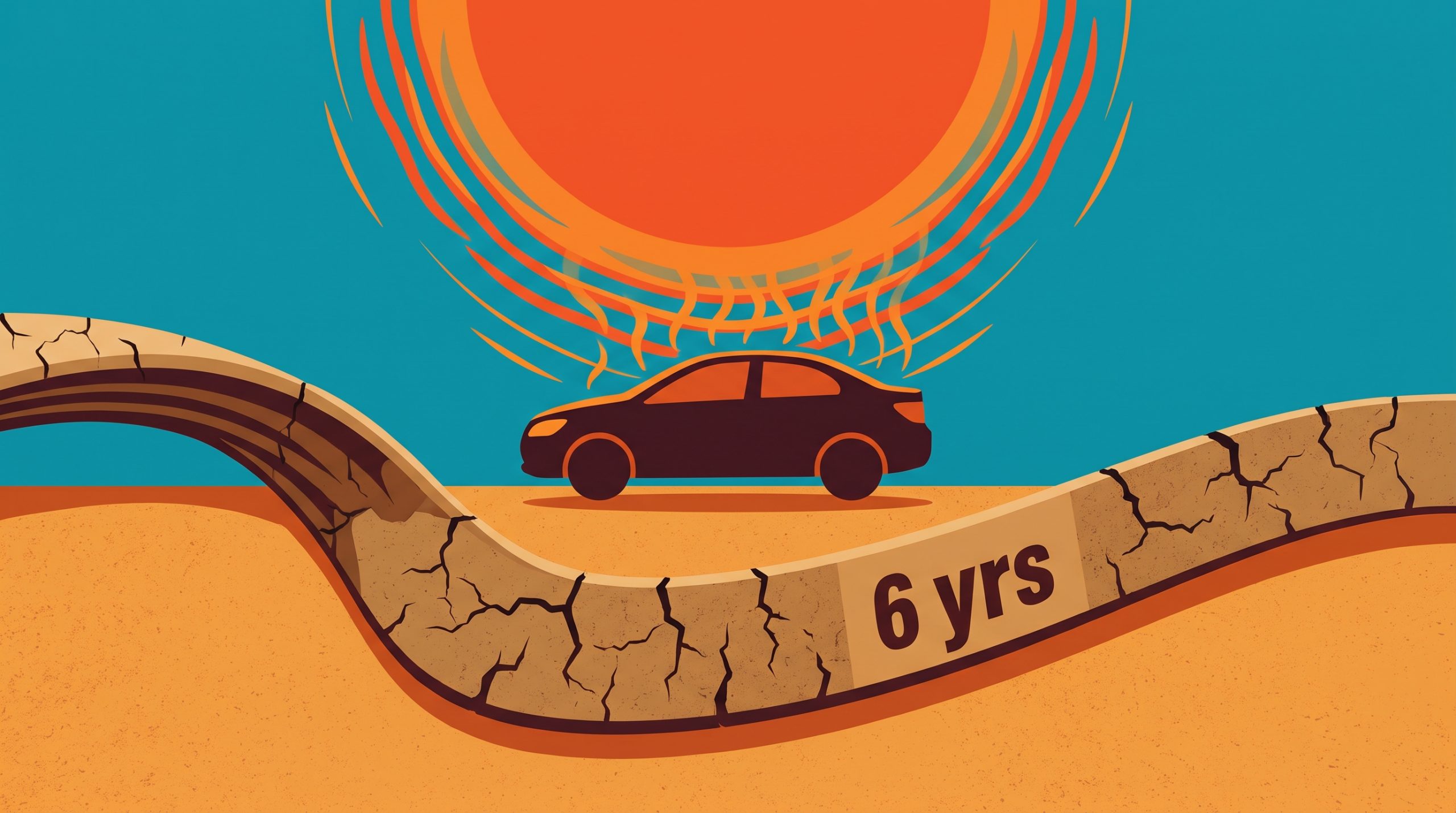
A tire can still have 60% of its tread left and be due for replacement at 6 years old. Heat does that to rubber on a calendar, not a mileage schedule.
In this article
- Why heat ages rubber and plastic faster than mileage does
- The parts that age by the calendar, not the odometer
- The hot climate car maintenance schedule your owner’s manual doesn’t give you
- Frequently asked questions
In Arizona, Texas, Nevada, and other hot-climate states, car maintenance needs its own heat-driven schedule. Tires, hoses, belts, weatherstripping, and wiper blades age from heat and ultraviolet exposure. The owner’s manual’s mileage-based intervals don’t account for it.
In Phoenix, Las Vegas, or Houston, that same clock runs under the hood too. Belts, hoses, and seals harden and crack years before they log enough miles to trip a manual-based service reminder.
Why Heat Ages Rubber and Plastic Faster Than Mileage Does
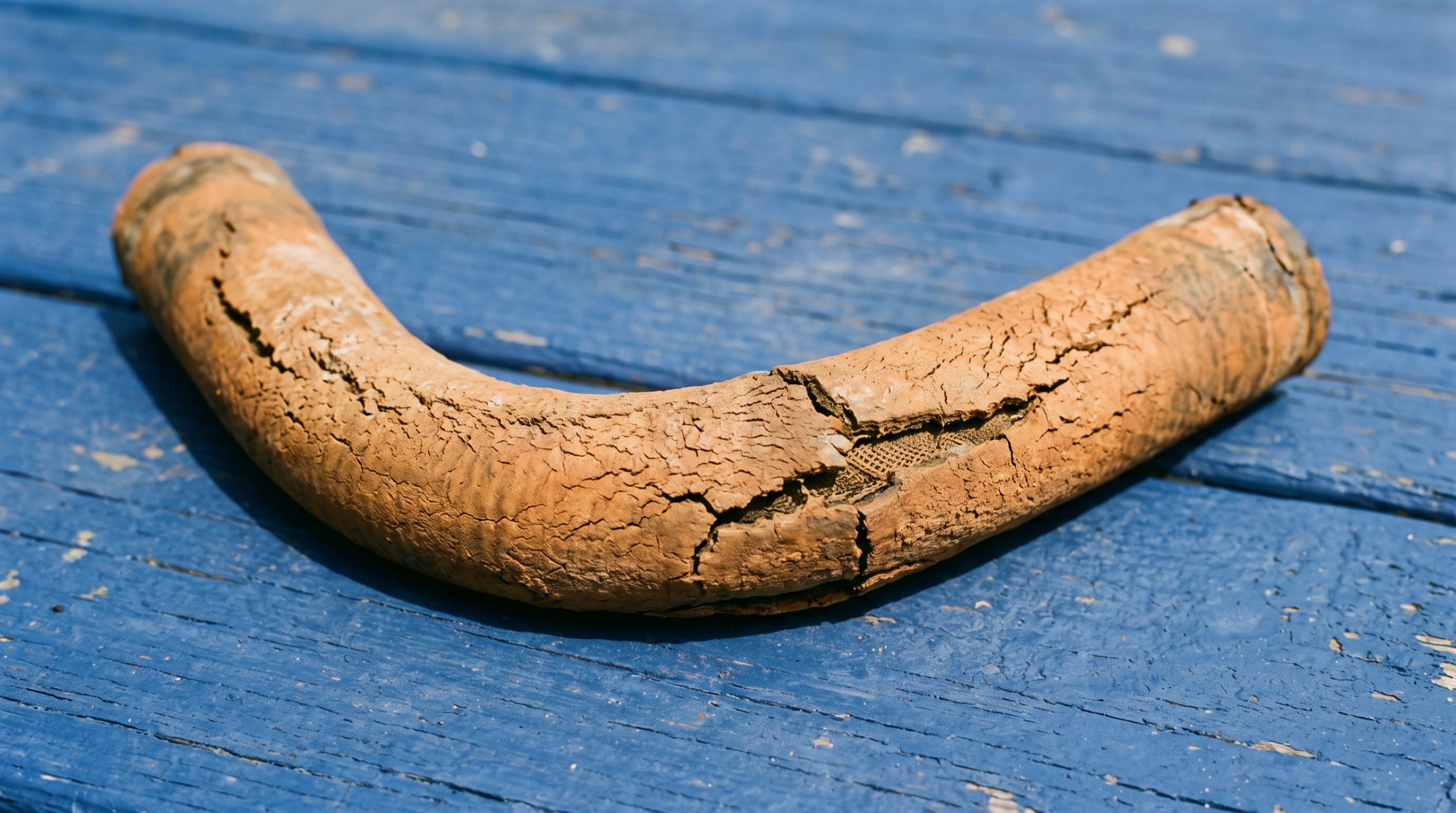
Rubber and plastic parts fail from exposure, not just flexing. Ultraviolet (UV) light breaks down the polymer chains in rubber compounds. Ozone in the air attacks the surface too, causing the fine cracking that tire makers call sidewall weathering or dry rot.
Goodyear’s own guidance describes this directly: tires left in sun and heat develop visible sidewall cracking as the rubber compound breaks down. The company notes that ozone exposure “can hasten sidewall weathering as well.”
Daily heat cycling compounds the damage. A desert dashboard can swing from a cool morning to over 150 degrees Fahrenheit by afternoon. That daily swing fatigues rubber on top of the UV and ozone damage.
Belts add their own heat from flexing around pulleys. That’s why trade reference AA1Car notes a belt’s rubber “begins to crack and fray” as it ages.
Hoses deteriorate the same way: heat turns the neoprene hard and brittle, and cracks form near the clamps. None of this tracks mileage. A low-mileage car parked outside in Tucson can show more cracking than a high-mileage car garaged in Seattle.
The Parts That Age by the Calendar, Not the Odometer
Five parts take the worst of it in desert heat: the serpentine belt, the radiator and heater hoses, the door and window weatherstrip seals, and the wiper blade rubber. The fifth, the tires, carries a hard age limit no tread can override.
Weatherstripping fails quietly, going stiff and shrunken until it stops sealing out dust and heat, rather than visibly cracking. Wiper blade rubber hardens under UV light the same way, turning streaky and brittle within a single desert summer, no matter how few miles the car has covered.
The 12-volt battery ages faster in sustained heat too, a mechanic’s-math breakdown of exactly how much is in our climate and car battery life guide. Salt-belt states get a different version of this same calendar problem: frame and body rust that our rust and corrosion guide covers in full.
| Part | Heat-Aging Sign | Replacement Cost |
|---|---|---|
| Serpentine belt | Surface cracking, fraying, glazing | Inexpensive next to a roadside breakdown; get a written shop quote |
| Radiator/heater hose | Hardening, brittleness, cracks near clamps | Inexpensive next to overheating damage; get a written shop quote |
| Door/window weatherstrip | Stiff, shrunken, no longer sealing | Varies by vehicle; often available used from a salvage yard |
| Wiper blade rubber | Streaking, chatter, visible cracking | $53-$64 average (Kelley Blue Book) |
| Tires | Sidewall cracking regardless of tread | Replace at 6 years from build date |
The Hot Climate Car Maintenance Schedule Your Owner’s Manual Doesn’t Give You
Most owner’s manuals schedule belt and hose inspection around 60,000 to 100,000 miles. Consider a hypothetical hot-climate commuter driving 8,000 miles a year in Houston.
That schedule wouldn’t flag a first look until roughly year 7 or 8. By then, the engine bay has baked through eight or more Gulf Coast summers.
Continental, which manufactures belts and hoses for the aftermarket, recommends something very different: a semi-annual inspection of underhood rubber components, done twice a year, regardless of mileage. Its reasoning is specific to heat. “In the hot summer months, the extreme buildup of heat under a car’s hood can shorten the life of rubber products,” the company’s aftermarket marketing manager has said.
Run both schedules side by side and the gap is stark. The same hypothetical commuter following Continental’s twice-a-year calendar gets roughly 14 to 16 inspections before the manual’s mileage-based schedule produces its first one.
Pair that seasonal check with the tire industry’s 6-year age cutoff. A hot-climate owner ends up replacing rubber on a fixed calendar that runs well ahead of anything the dashboard or the manual will ever flag.
Frequently asked questions
Does heat really age car parts faster than mileage does? Yes. Ultraviolet light and ozone break down rubber’s polymer structure over time, independent of how far the car is driven. Tire and parts makers like Goodyear and Continental both point to heat and sun exposure, not mileage, as the main driver of cracking, hardening, and sidewall weathering in hot climates.
How old is too old for a tire, regardless of tread depth? Goodyear and several automakers recommend replacing any tire at 6 years from its manufacture date, even with tread remaining. Check the Department of Transportation (DOT) code on the sidewall for the build date. Heat, sun, and ozone exposure accelerate this clock, so hot-climate tires often show cracking well before 6 years.
How often should I inspect belts and hoses in a hot climate? Continental recommends a semi-annual inspection, done twice a year, rather than waiting for a mileage milestone. That’s because heat buildup under the hood degrades rubber on a time-based schedule. A hot-climate car should get this check even if it’s nowhere near the manual’s mileage interval.
What does it typically cost to replace heat-aged rubber parts? A cracked serpentine belt or radiator hose is cheap to replace next to the cost of a roadside breakdown or overheating damage, though exact shop pricing varies by vehicle. Weatherstrip seals vary by vehicle too, and are often available used from a salvage yard. Wiper blades are the one figure with a clear published number: Kelley Blue Book puts average replacement at $53 to $64.
Does extreme heat affect my car battery too? Yes, including hybrid batteries. Heat is the single biggest factor shortening 12-volt battery life, and it’s covered in full depth in our climate and battery life guide. Hybrid battery packs age along a different curve; see our hybrid battery replacement cost guide for those specific numbers.
Leave a Reply