6 min read · Last updated August 9, 2026
- 29.6% of trade-ins toward new-vehicle purchases carried negative equity in the second quarter of 2026, the highest share for any second quarter since 2020, according to Edmunds.
- The average negative equity balance was $6,884, on a trade-in that averaged just 4.0 years old, not some ancient beater nobody expected to still owe money on.
- Rolling negative equity into a new loan isn’t free. Edmunds found those buyers pay an average $944 a month versus $777 for the typical buyer, and $16,270 in total interest over the loan.
- The math that decides whether you can sell privately at all is one subtraction: Priya’s $23,100 payoff minus her $19,500 sale price is the exact $3,600 gap she had to close before any buyer could take the title.
In this article
- How Common This Actually Is
- The Payoff-Gap Math, Worked With Real Numbers
- Private Sale vs. Trade-In When You’re Underwater
- When You Can’t Close the Gap Right Now
- Frequently Asked Questions
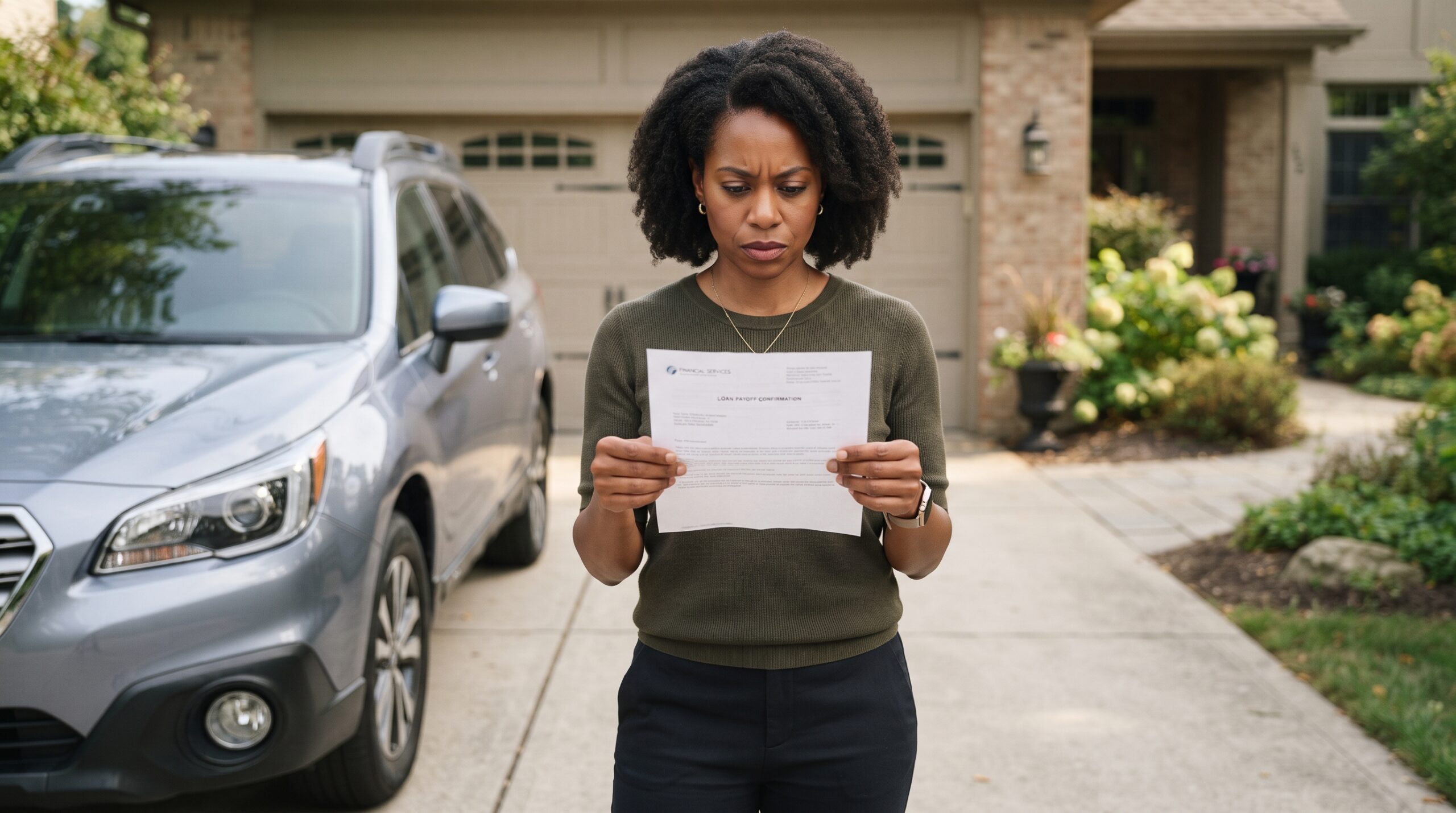
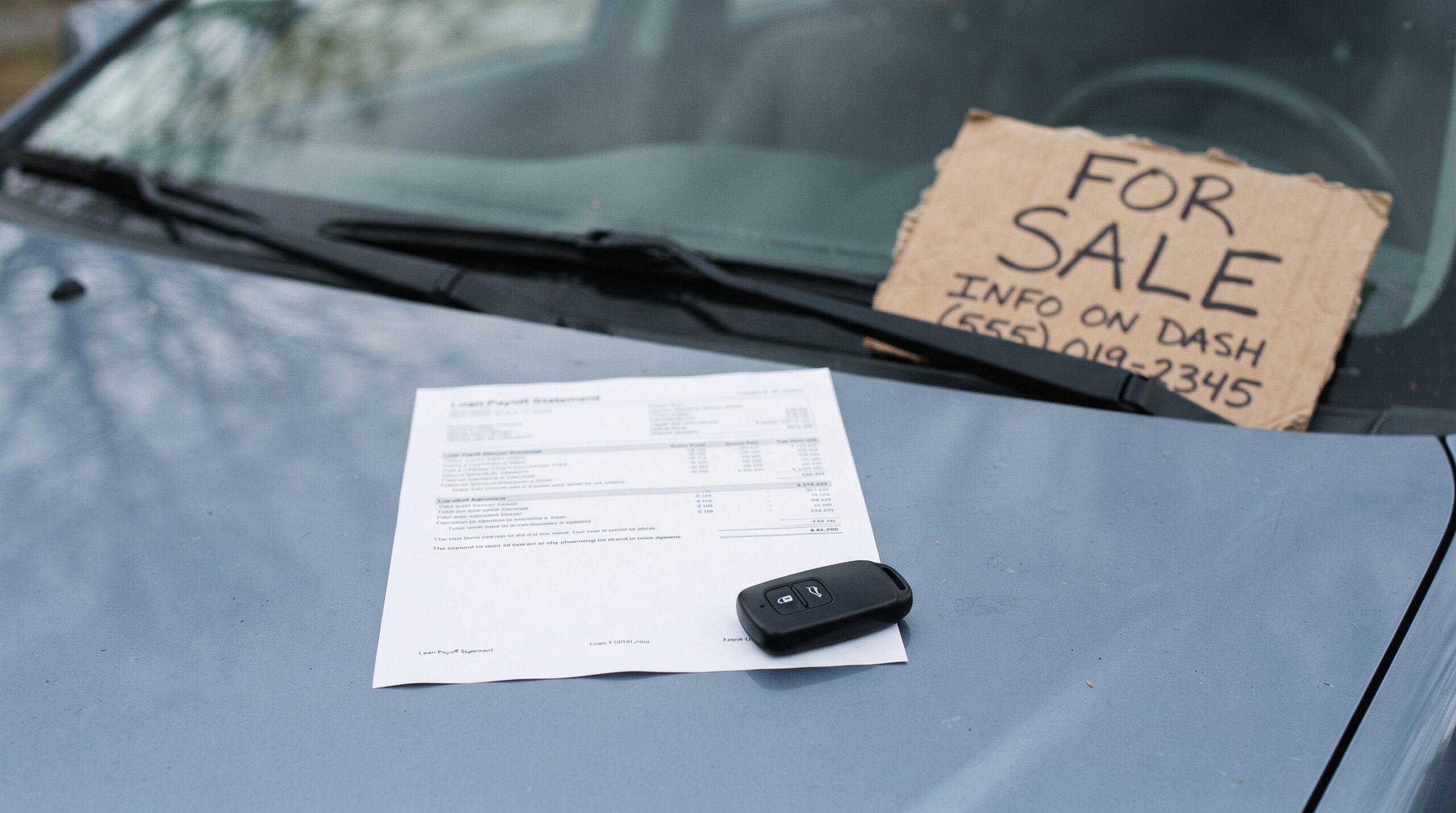
Priya listed her 2021 Toyota RAV4 for $19,500, the number three different used-car sites agreed on for her mileage and trim. Her loan payoff quote, the amount that actually clears the title, came back at $23,100. She was $3,600 short of what she owed, and no private buyer was going to hand her $3,600 more than the car was worth just to help her close that gap. That payoff quote matters for more than the math. Until it clears, the lender still holds the title, and a private buyer’s money has to reach the lender before the sale can actually close.
How Common This Actually Is
Priya’s situation is closer to the norm than the exception. Edmunds reported that 29.6% of trade-ins toward new-vehicle purchases carried negative equity in the second quarter of 2026, the highest share for any second quarter since 2020. Part of why the gap opens in the first place: KBB puts the average used car at $26,342 in 2026. That price level keeps loan sizes high on the new-car side of the trade too. The average negative equity balance was $6,884, and the average age of an underwater trade-in was just 4.0 years, meaning this isn’t only happening to people driving decade-old cars with dead resale value. Longer loan terms and higher new-car prices mean a normal car, a few years into a normal loan, can still owe more than it’s worth today. A car depreciates fastest in its first few years, while a 72- or 84-month loan pays down principal slowly in that same window. The value line and the payoff line cross later than most owners expect, sometimes not until year four or five of a six-year loan.
The Payoff-Gap Math, Worked With Real Numbers
Start with two numbers, not one. Your car’s actual sale value (what Kelley Blue Book (KBB), a dealer’s appraisal, or three completed local listings agree it’s worth) minus your exact loan payoff quote. If you’re getting that appraisal from an online instant-offer buyer rather than a private-party listing, treat it as provisional; the written number can still move at pickup once an inspector actually looks at the car. Call your lender and ask specifically for the “10-day payoff,” not your last statement balance, because interest keeps accruing daily. Priya’s math: $19,500 in expected sale value minus $23,100 in payoff equals a $3,600 gap. That gap doesn’t disappear because she sells the car. Somebody has to cover it, either Priya in cash before the title transfers, or the next lender if she rolls it into a new loan.
Edmunds also found that buyers who roll negative equity into a new loan pay an average of $16,270 in interest over the life of that loan. That’s against $9,811 for a buyer with no negative equity to carry, a $6,459 difference for financing roughly Priya’s size of gap forward instead of paying it off directly.
Private Sale vs. Trade-In When You’re Underwater
A private sale gives you the full $19,500 in Priya’s example, but she still owes the lender the $3,600 difference the moment a buyer pays. Most lenders won’t release a clean title until the full payoff clears first. A private-sale closing on an underwater car usually means bringing your own cash to the table first, then handing over a lien-free title. A trade-in skips that friction: the dealer pays off your loan directly and rolls the $3,600 gap into your next loan’s principal, so no cash is due that day. The tradeoff is what that $3,600 actually costs once it’s financed again at a new interest rate over another five or six years — and how steep that rate is often comes down to where your credit score lands, which is real money, not a free pass. If you’re weighing which path fits your situation, the fuller private sale versus trade-in cash breakdown walks through the hassle and fee math on both sides.
The Consumer Financial Protection Bureau has studied exactly this pattern of rolling old negative equity into a new loan and found it correlates with a meaningfully higher loan-to-value ratio on the new loan from day one, the same structural gap that makes the next trade-in more likely to start underwater too.
| Factor | Private Sale | Trade-In |
|---|---|---|
| Cash due at closing | Yes, the full gap amount | No, gap rolls into the new loan |
| Who pays off your lender | You, before or at closing | The dealer, directly |
| What happens to the gap | Gone once you pay it | Refinanced into your next loan |
| Best for | Sellers with cash on hand and no rush | Sellers who need to move now and can’t front cash |
When You Can’t Close the Gap Right Now
If you can’t front the gap amount and you’re not buying a new car to roll it into, you have two real options. Keep the car and keep paying it down until the balance and the value cross. Or ask your lender about a short personal loan sized to exactly the gap, one paid off faster than a car loan would carry it. What doesn’t work is listing the car for more than it’s worth to cover the gap yourself. Buyers check the same valuation tools you do, and an overpriced private listing just sits unsold, often for months, while the loan balance keeps accruing interest in the background regardless of whether anyone’s buying.
A financed car and a leased car can end up on opposite sides of this problem. Where an underwater loan means owing more than the car is worth, a lease can sometimes leave the opposite gap: a fixed buyout price set years ago that turns out to be below what the car is actually worth today. How that lease-equity gap works, and why it is not always easy to cash in, is worth checking if your situation is a lease rather than a loan.
Frequently Asked Questions
Can I sell my car privately if I still owe more than it’s worth? Yes, but you need cash on hand to cover the gap before the title can transfer clean to a private buyer. Most lenders won’t release the title until the full payoff clears, so budget for that difference in addition to whatever cash the buyer actually hands you at closing.
Is a trade-in always the worse option when I’m underwater? Not always, though it usually costs more over time because the gap gets refinanced at a brand-new interest rate. What it removes is the need for cash up front. If you don’t have $3,000 to $7,000 sitting available right now, a trade-in may be the only realistic path forward.
How do I get my exact payoff amount instead of just my balance? Call your lender directly and ask for a “10-day payoff quote” in writing, not the balance shown in your online account. It accounts for interest that accrues daily and any small administrative fees, and it’s the actual number that satisfies the loan and clears your title.
Does rolling negative equity into a new loan ever make sense? Sometimes, if the gap is genuinely small and you need a different car right now for a real reason. But run the interest math first, every time. Edmunds found the average buyer who rolls negative equity forward pays thousands more in total interest than a buyer who doesn’t carry any.
What if my buyer wants to pay off my loan directly instead of paying me? That arrangement can work fine, but confirm your lender’s exact payoff amount and wiring instructions first, in writing. Don’t release the car or sign over the title to anyone until your lender has actually confirmed, not just promised, that the loan is fully paid off.
Leave a Reply