6 min read · Last updated August 9, 2026
- The “never spend more than 50% of a car’s value on a repair” rule traces back to Consumer Reports guidance on home appliances and electronics, not vehicles.
- Consumer Reports’ actual car math divides the repair cost by months of planned ownership. Ben’s $2,400 repair worked out to $100 a month over 24 months, well under a typical $777 replacement payment.
- The average used car cost $26,342 in 2026 per Kelley Blue Book, and the average new-vehicle buyer paid $777 a month in the second quarter, two real anchors for the replacement side of the comparison.
- The same $2,400 repair can be an easy yes or a genuine question depending only on how many more months you plan to keep the car, a variable the 50%-of-value shortcut never asks about.
In this article
- Where the 50% Rule Actually Comes From
- The Math Consumer Reports Actually Recommends for Cars
- Ben’s Numbers, Run Two Ways
- Building Your Own One Repair Away Number
- Frequently Asked Questions
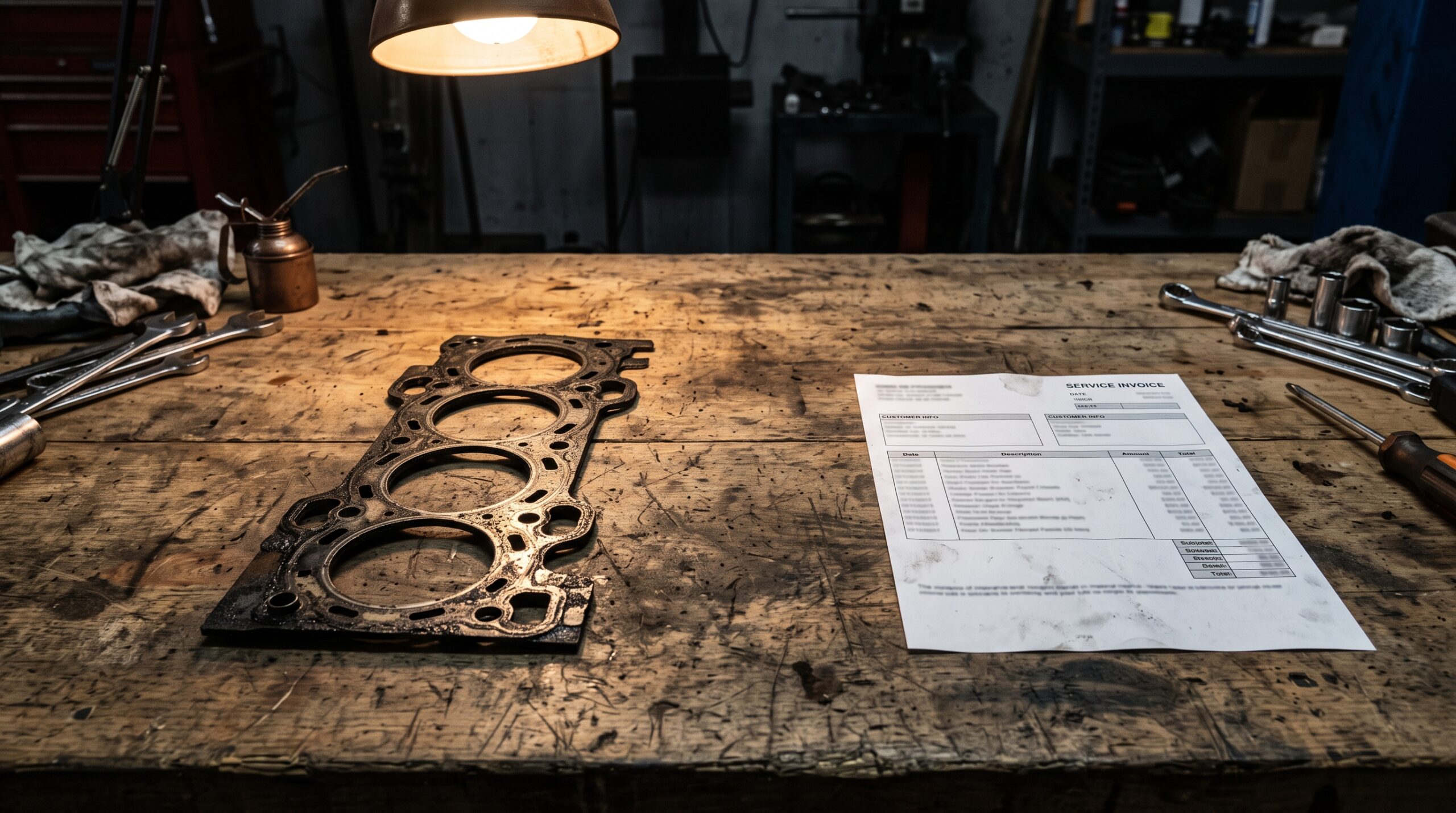
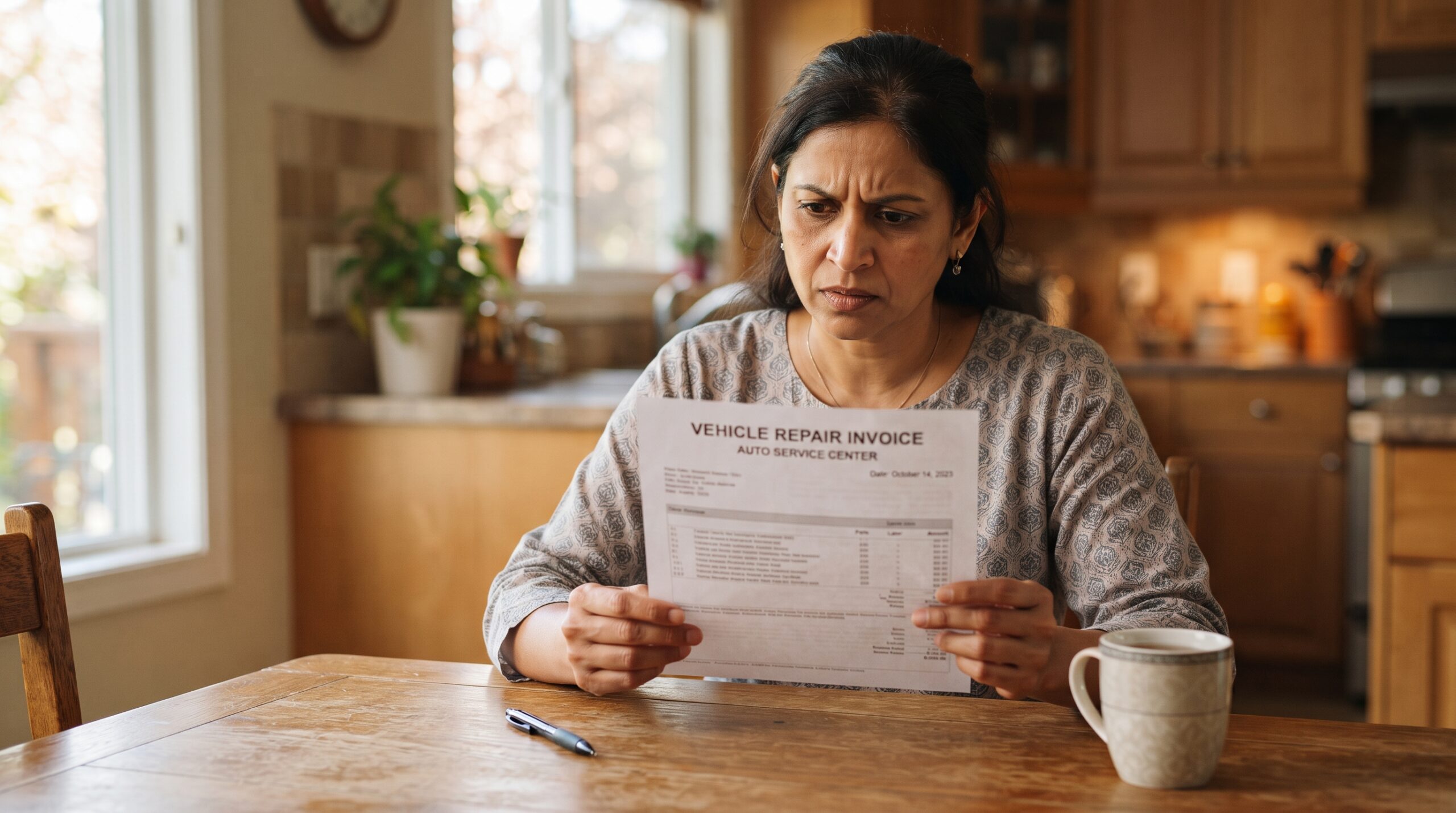
Ben’s 2014 Subaru Outback needed a $2,400 head gasket job at 168,000 miles. The shop manager mentioned, almost as an aside, that the repair ran close to half of what the car was worth on Kelley Blue Book (KBB). Ben had heard the 50% rule his whole driving life: if a repair costs more than half the car’s value, it’s not worth fixing. He assumed the math had already been done for him.
Where the 50% Rule Actually Comes From
Consumer Reports’ own 2014 guidance on repairing versus replacing does state a 50% threshold: don’t spend more than 50 percent of the cost of a new product on repairing an old one. That guidance was written about home appliances and electronics, things like washing machines, refrigerators, and televisions. It says nothing about cars. Somewhere across a decade of retelling, the appliance rule got repurposed as automotive wisdom. It stuck hard enough that shop managers now repeat it like it was a Consumer Reports car finding, which it never was.
The Math Consumer Reports Actually Recommends for Cars
Consumer Reports’ actual car-specific guidance uses a different calculation entirely. Divide the repair cost by the number of additional months you plan to keep the vehicle, then compare that monthly figure to what a payment on a replacement car would realistically cost. If the repair’s monthly cost comes in under a replacement payment, fixing the car is usually the better financial move, even on a repair that would fail the 50%-of-value tripwire completely. The logic holds up because a car’s market value is a snapshot of what a stranger would pay for it today. It says nothing about how many more months of use you’re actually going to get, and use, not resale value, is what a repair decision should really be weighed against.
Ben’s Numbers, Run Two Ways
Ben planned to keep the Outback another 24 months if it got fixed. $2,400 divided by 24 months is $100 a month. That’s the true cost of the repair, spread over how long he’d actually use it. The average new-vehicle buyer paid $777 a month in the second quarter of 2026. Even a modest used replacement near the $26,342 average used-car price Kelley Blue Book reported this year would carry a payment well above $100 a month. Fixing the Outback won by a wide margin under Consumer Reports’ own test, even though the naive 50%-of-value comparison made it look like a coin flip.
Now run the same repair against a shorter horizon. If Ben only planned to keep the car 6 more months, that same $2,400 repair works out to $400 a month, a number that starts closing in on a real replacement payment. Same car, same repair, same shop invoice, a different answer, because the variable that actually matters isn’t the car’s value. It’s how long you’re going to keep driving it.
| Factor | Keeping It 24 Months | Keeping It 6 Months |
|---|---|---|
| Repair cost | $2,400 | $2,400 |
| Cost per month | $100 | $400 |
| Typical replacement payment | $777+ per month | $777+ per month |
| Verdict | Repair clearly wins | Worth a second look |
Building Your Own One Repair Away Number
This same math is worth running again at the next major repair, especially once a car crosses into the 100,000-to-150,000-mile window where several big-ticket components tend to fail in sequence. Three inputs, in order. First, your car’s actual private-party or trade value from KBB, not a guess. Second, an honest number of months you’d keep driving it if this repair gets done, not “forever,” a real horizon you can name. Third, a realistic replacement payment for a car you’d actually buy. For most owners that lands somewhere near the $777 average monthly new-vehicle payment Edmunds reported for the second quarter of 2026, or lower if you’re shopping used instead of new. Divide the repair cost by the months, and compare it to that payment number. That’s the whole test, and it accounts for something the 50%-of-value shortcut structurally can’t: how much use you still expect to get. The repair-cost side of that math isn’t fixed either. A job like Ben’s head gasket can come in well under $2,400 if the shop quotes a remanufactured part instead of new, which changes the number before the 50% question even gets asked. Write the three numbers down before you decide anything. A repair decision made from memory tends to round the months up and the replacement payment down. That quietly tilts the answer toward whichever choice feels less stressful in the moment, rather than the one that’s actually cheaper.
Before you run this math on a check-engine repair specifically, make sure the number you are plugging in is the right one. The code alone can point to a \$172 fix or a \$1,511 one, and that gap changes the whole decision.
A hybrid battery replacement is one of the single biggest repair-or-replace numbers an owner can face. See what that repair actually costs once the warranty runs out before running it through this same math.
Frequently Asked Questions
Is the 50% rule ever a useful shortcut for cars? It’s a rough gut check at best, not a rule Consumer Reports ever actually wrote for vehicles. It ignores how long you’d keep the car, which is usually the bigger factor in the real decision. Use it to flag a repair worth a closer look, never to make the final call by itself.
What if I genuinely don’t know how many more months I’d keep the car? Use your last two ownership stretches as a rough guide, or default to 24 to 36 months, the range most owners actually keep a paid-off car before replacing it. A rough honest number still beats skipping the calculation entirely and guessing at the answer.
Does mileage matter separately from this math? Yes. High mileage raises the odds that a second expensive repair follows soon after the first one, which should shorten the number of months you plug into the formula. The dollar math and the mileage risk are two separate checks that both deserve attention, not one combined guess.
Should I get a second repair estimate before running these numbers? Yes, especially on anything over $1,000. A second quote confirms the number you’re dividing is actually accurate, and independent shops sometimes differ by hundreds of dollars on the exact same diagnosed problem and parts.
What’s a realistic replacement payment to use if I’m buying used, not new? Price a specific comparable used vehicle on KBB or a local listing site first. Then estimate a payment using a typical used-auto loan rate and term rather than the new-vehicle average, since used-car financing usually carries a somewhat higher rate.
Leave a Reply