
6 min read · Last updated August 10, 2026
- AAA’s own repair-estimate tool prices a Honda timing belt job at $800.79 to $1,236.59, including the water pump and tensioner.
- Kelley Blue Book puts a professional engine rebuild, the usual fix after a snapped belt bends the valves, at $3,500 to $6,000, and a full replacement engine near $8,000.
- Most manufacturers set the replacement window between 60,000 and 100,000 miles, some newer engines stretched to 120,000, and the belt also ages out on a calendar even if you barely drive.
- A timing belt gives no warning before it breaks. A timing chain usually stretches and gets noisy first, often for 10,000 miles or more before it actually fails.
In this article
- What an interference engine actually does to your motor
- The real math: preventive job vs. failure repair
- How to find out which one you have
- The mileage and time window that matters more than the dashboard
- Frequently asked questions
Your service advisor just quoted $890 to replace the timing belt on your 2015 Honda Accord at 98,000 miles, and the car is running fine right now, with no warning light and no noise. That number feels optional. It is not, and the reason is a piece of engine design most drivers never hear about until it costs them.
What an interference engine actually does to your motor
Every four-stroke engine times its valves and pistons with a belt or chain connecting the crankshaft to the camshaft. In a non-interference engine, the piston and an open valve can occupy the same space at different moments and never touch, even if the timing slips. In an interference engine, they cannot. AA1Car is an independent technical library used by shops and technicians. It defines an interference engine as one that “lacks sufficient clearance between the valves and pistons if the cam stops turning.” When the belt snaps, the crankshaft keeps spinning on momentum while the camshaft stops dead. The valves freeze in whatever position they were in, and the pistons keep firing into them, over and over, before the engine finally stalls. The result is bent valves, and often a cracked piston or a damaged cylinder head.
Most modern Honda engines, and most Toyota four-cylinder engines built in the last two decades, are interference designs. A timing chain doesn’t remove this risk on its own. It only removes the calendar-based failure mode, since a properly maintained chain is designed to outlast the engine. A neglected chain can still stretch, slip its timing, and produce the exact same valve-to-piston contact.
The real math: preventive job vs. failure repair
Here’s the comparison with real numbers, not a guess. AAA’s own repair-pricing tool quotes $800.79 to $1,236.59 for a timing belt replacement on a Honda Odyssey, parts running $370.82 to $637.34 and labor $477.75 to $649.25. Call it $1,018 for the job done on schedule, water pump and tensioner included, since most shops replace those at the same time rather than open the engine twice.
Now the other side. Kelley Blue Book prices a professional engine rebuild, the standard fix once a snapped belt has bent the valves, at $3,500 to $6,000. Even at the rebuild’s low end, that’s $2,482 more than the preventive job you skipped. KBB also reports, citing its parent company Cox Automotive, that a full replacement engine at a dealership averages closer to $8,000. The math only gets worse if the piston or cylinder head is also damaged.
| Scenario | Preventive Belt Job | Failure Repair |
|---|---|---|
| Typical cost | $800 to $1,237 (AAA quote, Honda Odyssey) | $3,500 to $6,000 rebuild; near $8,000 full replacement (KBB / Cox Automotive) |
| What gets replaced | Belt, tensioner, often the water pump | Bent valves, possibly a piston and the cylinder head |
| Downtime | Half a day, scheduled | Days to weeks, unscheduled |
| Best for | Any interference-engine owner at or near the mileage window | No one. This column is the outcome you’re paying to avoid. |
How to find out which one you have
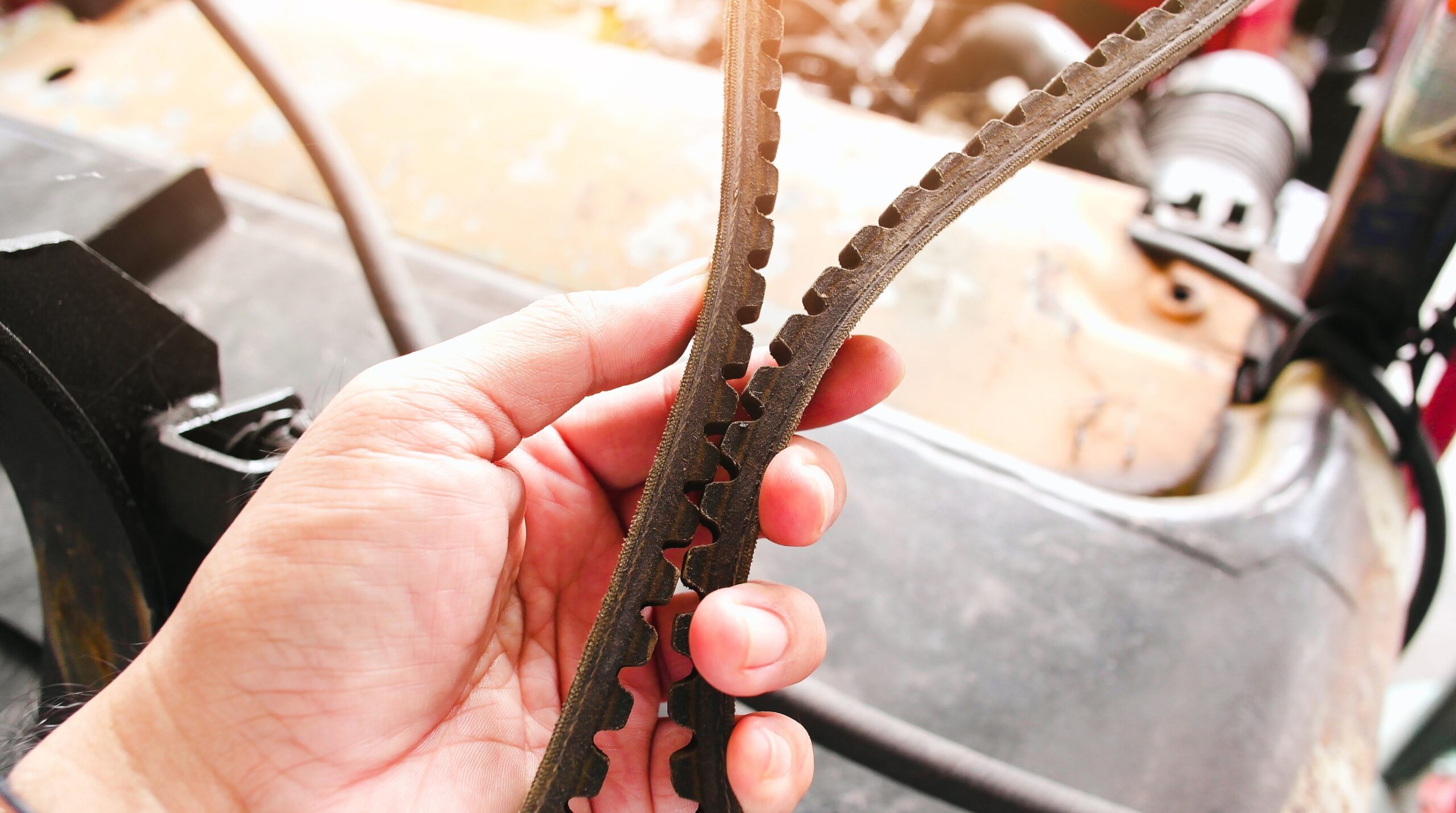
Your owner’s manual or maintenance guide will say “timing belt” or “timing chain” directly, usually in the maintenance schedule section. If you don’t have the manual, a dealer service department or independent shop can look it up from your Vehicle Identification Number (VIN), the 17-character code on your registration and door jamb. It usually takes under a minute, often for free. Don’t guess from the engine’s age alone. Some manufacturers switched a given engine family from belt to chain partway through a generation, so the same model year can go either way depending on the specific engine code. Owners make the same wrong assumption about parts labeled “lifetime,” too, which is exactly the mistake covered in why your transmission fluid isn’t actually lifetime.
If your car turns out to be chain-driven, the risk profile flips rather than disappears. A chain rarely has a published replacement interval at all, which means the real difference between a chain and a belt is scheduled versus unscheduled cost, not safe versus unsafe, and it is worth knowing which one you are budgeting around.
The mileage and time window that matters more than the dashboard
Manufacturers generally set the replacement window between 60,000 and 100,000 miles, according to both AA1Car and AAA, with some engines built since roughly 2010 stretched to 120,000. That range exists because rubber degrades from heat and age even if you barely drive. Most manufacturers pair the mileage number with a years-based limit, commonly five to seven years, whichever comes first. Check your specific interval in your owner’s manual, since it varies by engine, not just by brand. If you’re already past 100,000 miles, the belt isn’t the only thing working against you. The repair bill your car is statistically due for in that mileage range covers what else tends to break around the same time.
If you’re within 10,000 to 15,000 miles of your interval, or past the years-based limit regardless of mileage, treat the quote as due, not optional. The interference-engine math above is exactly why: this is one of the few maintenance items where “wait and see” has a lopsided downside.
Frequently asked questions
How do I know if my engine is an interference engine? Check your owner’s manual, ask your dealer or independent shop to look it up by VIN, or search your specific engine code. Don’t assume based on brand alone. Most modern Honda and Toyota four-cylinder and V6 engines are interference designs, but exceptions exist within the same model line, so confirm yours directly.
Is a timing chain always safer than a timing belt? A chain removes the calendar-based failure risk since it’s designed to last the engine’s life, but it isn’t maintenance-free. A neglected chain can stretch past 100,000 miles, throw off valve timing, and cause the same valve-to-piston contact on an interference engine. Chain wear is also tied to regular oil changes.
What are the warning signs before a timing belt fails? Often none. That’s the core risk. A technician can sometimes spot cracking or fraying on the ribbed underside during an inspection, and a whining or ticking noise can show up late, but many belts fail with zero warning at all. That’s why the mileage and time interval, not symptoms, is the trigger to act on.
Does replacing the timing belt early waste money? No. AAA’s repair-pricing data puts the job at $800.79 to $1,236.59, including the water pump and tensioner. Replacing those wear items proactively, in one scheduled visit, costs a fraction of an engine rebuild and avoids a tow, a rental car, and days without your vehicle.
Can I just install a timing chain instead of a belt for peace of mind? No, you replace whichever component your engine actually has. Timing belts and chains aren’t interchangeable retrofits. Your engine’s sprockets, tensioner, and cover are built around one specific design. Follow the manufacturer’s interval for the part your engine came with.
Leave a Reply