6 min read · Last updated July 21, 2026
By the YourAutoOptions Editorial Team. Reviewed by Steven Sun.
- Brake pads start around 10 to 12mm thick and should be replaced near 3mm; at 2mm or less it is urgent.
- A typical brake job runs $150 to $300 per axle for pads, or $250 to $500 per axle with new rotors.
- A squeal is often just the wear indicator doing its job; grinding means metal on metal and a bigger bill.
- Always get a written estimate and ask whether rotors truly need replacing, since many shops replace them by default.
In this article
- How brake pads actually wear
- The warning signs that are real vs. oversold
- What a brake job should actually cost
- Dealer, independent shop, or DIY
- Frequently asked questions
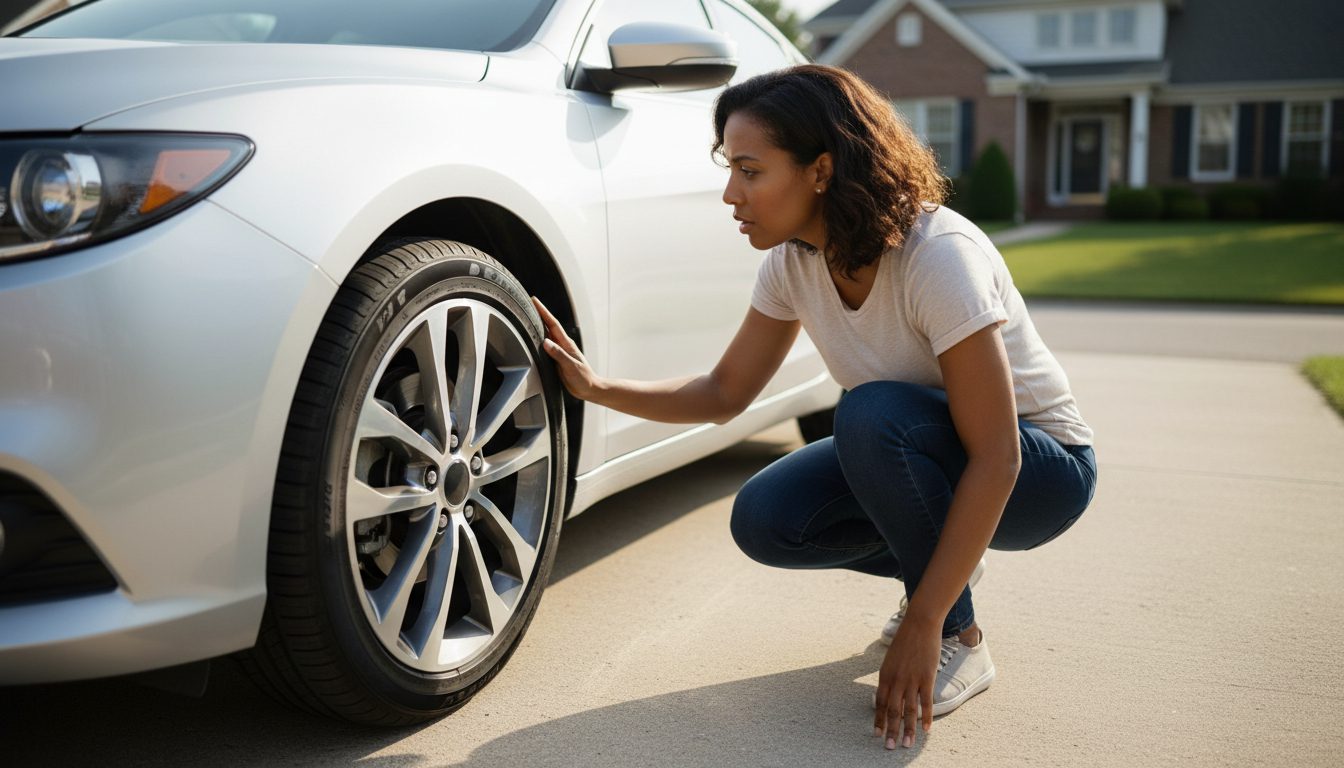
The service advisor told Denise her 2018 Subaru Outback needed all four brakes “right now” at 44,000 miles, and quoted $1,180. A light squeal at low speed had her expecting bad news. But 44,000 miles is early for a full brake job, and $1,180 is high for one. She was right to pause.
Brakes are a genuine safety item, so you never want to ignore a real warning. But they are also one of the most oversold jobs in the shop. Here is how to tell when you truly need new brakes, and what the work should cost.
How brake pads actually wear
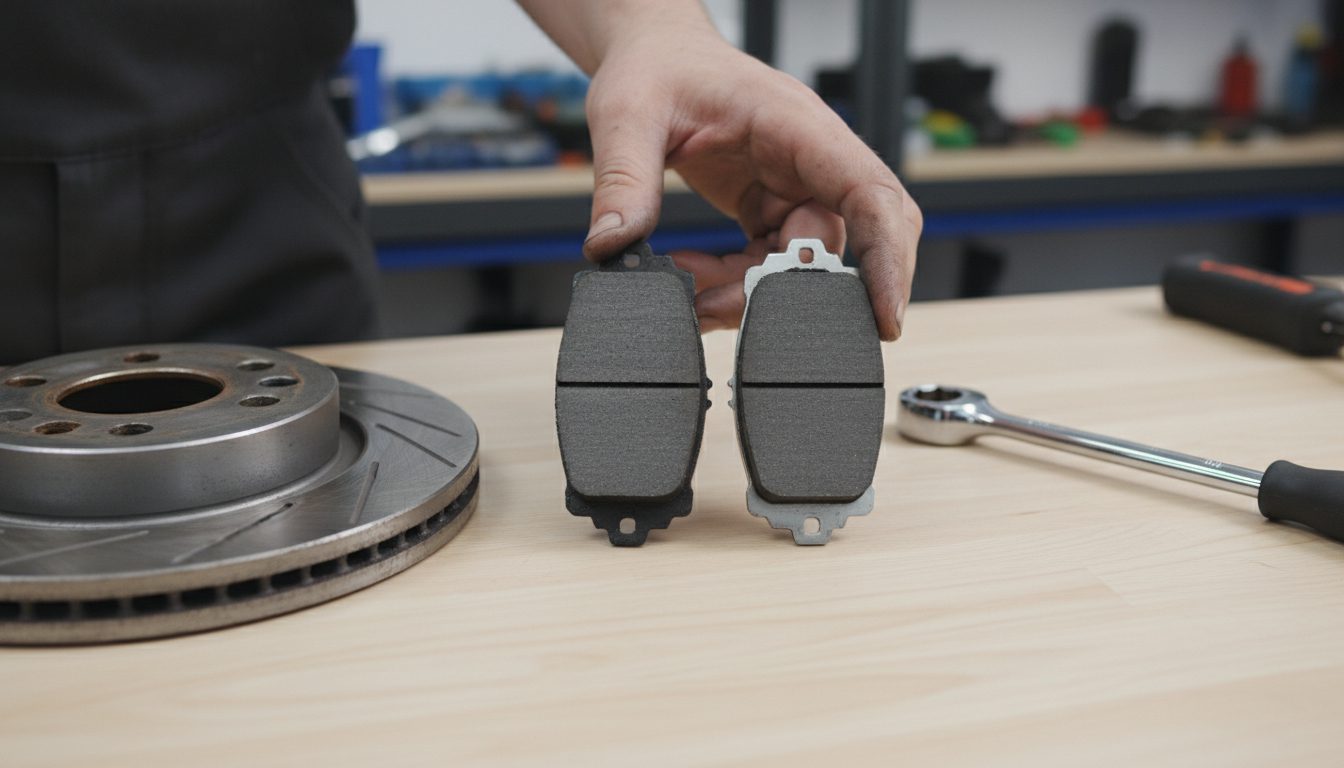
Your brake pads are blocks of friction material that squeeze a spinning metal disc, the rotor, to slow the car. That material wears down every time you brake, and how fast depends entirely on how and where you drive.
A new pad starts around 10 to 12 millimeters thick, roughly the width of a pencil. As a rule of thumb, plan to replace pads when they wear down to about 3mm. At 2mm or less it becomes urgent, because once the friction material is gone the metal backing grinds directly on the rotor. In plain terms: catching it at 3mm is a pad replacement; letting it go to metal-on-metal turns it into a pad and rotor replacement, which costs far more.
Mileage is only a loose guide. City drivers who brake constantly may need pads at 25,000 miles, while a highway commuter can go 65,000 or more. That is why a real inspection, an actual measurement of pad thickness, beats any mileage estimate. Front brakes also wear faster than rear, because the car’s weight shifts forward when you stop, so it is normal to replace fronts more often than rears.
The warning signs that are real vs. oversold
Cars are built to warn you before brakes become dangerous. Knowing which signals matter keeps you from being talked into work you do not need.
A high-pitched squeal when you brake is usually the wear indicator, a small metal tab designed to chirp when pads get low. It means “schedule service soon,” not “stop driving.” A grinding or growling sound is different and serious: that is metal on metal, and you are now damaging rotors with every stop. A pulsing or shuddering brake pedal usually points to warped rotors. A dashboard brake light, or a car that pulls to one side when braking, also warrants a prompt check.
What is often oversold is the rotor. Many shops replace rotors automatically with every pad job because it is faster and more profitable. Rotors can frequently be reused or resurfaced if they are within spec and not warped. When a shop quotes rotors, ask whether they measured them and whether they are actually below the minimum thickness. The Federal Trade Commission advises getting the diagnosis and the estimate in writing, and asking the shop to contact you before doing any work beyond what you approved.
What a brake job should actually cost
Here is what to expect from a fair shop, and the range that should make you ask questions.
| Job | Typical independent shop | What it covers |
|---|---|---|
| Pads only (per axle) | $150 to $300 | Front or rear pads, labor included |
| Pads plus rotors (per axle) | $250 to $500 | Pads plus new rotors on one axle |
| All four (pads plus rotors) | $500 to $1,000 | Complete front and rear job |
| Luxury or large truck add-on | +30% to +60% | European brands and heavy trucks cost more |
Against that table, Denise’s $1,180 quote for all four brakes on a mainstream SUV sits at the very top of the range, and the “all four right now” framing at 44,000 miles is a flag. A fair independent quote for the same work would more likely land between $500 and $800, and there is a real chance only the front axle actually needed attention. A second opinion here could easily save her $400 or more.
Pricing this way is not about chasing the cheapest shop, because brake parts and labor quality do matter. It is about knowing the range so an inflated quote stands out. Staying on your routine service schedule in general, as the U.S. Department of Energy points out about regular vehicle maintenance, is cheaper than the repairs that neglect creates, and general service-cost guidance from Kelley Blue Book is another way to sanity-check what a job should run.
Dealer, independent shop, or DIY
Brakes are one of the jobs where a good independent shop almost always beats the dealer on price for the same quality. Dealers use the same grade of parts for routine brake work and simply charge more for labor. Unless your car is under a warranty that requires dealer service, an independent shop is usually the better value. Here is how dealer and independent pricing actually compares.
DIY is realistic for a mechanically confident owner. Pads and rotors for many mainstream cars cost $80 to $200 in parts, and a front pad job is a two-hour driveway project with basic tools. But brakes are a safety system with zero margin for error. If you are not fully confident bleeding lines, seating the pads, and torquing everything to spec, this is a job to pay for. While a shop has the lines open, it is also the easiest moment to check whether your brake fluid is overdue: it runs on a two-to-three-year clock regardless of mileage, not the pad-wear schedule this article covers. When you do pay, fold a brake inspection into your regular service, the same way you track your oil change interval.
Frequently asked questions
How long do brake pads usually last? Most pads last 25,000 to 65,000 miles, but driving style decides it. Heavy city braking wears them fast; steady highway driving stretches them. A thickness measurement is the only reliable check.
Is a squealing brake dangerous? Usually not immediately. A squeal is typically the wear indicator telling you pads are low and service is due soon. Grinding is the sound to act on right away, because that is metal on metal damaging the rotors.
Do I always need new rotors with new pads? No. Rotors can often be reused or resurfaced if they are within the manufacturer’s minimum thickness and not warped. Ask the shop whether they measured your rotors before you agree to replace them.
Why are dealer brake quotes higher? Dealers charge more for labor and often bundle rotor replacement by default. For routine brakes, a reputable independent shop usually delivers the same quality for less, unless a warranty requires dealer service.
Can I just replace the front brakes? Often, yes. Front brakes wear faster and frequently need service before the rears. A good shop measures each axle and replaces only what is worn, rather than selling all four automatically.
Leave a Reply