7 min read · Last updated August 9, 2026
- Federal law requires the manufacturer to fix an open safety recall for free (parts, labor, and diagnosis) at any authorized dealer, no matter the car’s age or owner count. That’s the exact rule that zeroed out Dana’s $1,150 quote.
- Campaign 20V314000 covers a fuel pump failure on 2018-2019 Honda Accords and several related Honda and Acura models, a repair AAA prices at $1,150 to $1,400 out of pocket.
- Recalls don’t expire. A campaign opened in 2020 is still open, and still free, on any VIN that hasn’t had the fix completed yet.
- Checking takes about two minutes with your vehicle identification number (VIN) in hand, and the right time to do it is before you approve a repair estimate, not after.
In this article
- How to Check in Two Minutes
- What Free Actually Covers
- The Parts That Show Up on Recalls Again and Again
- If a Dealer Stalls on Scheduling Your Fix
- Frequently Asked Questions
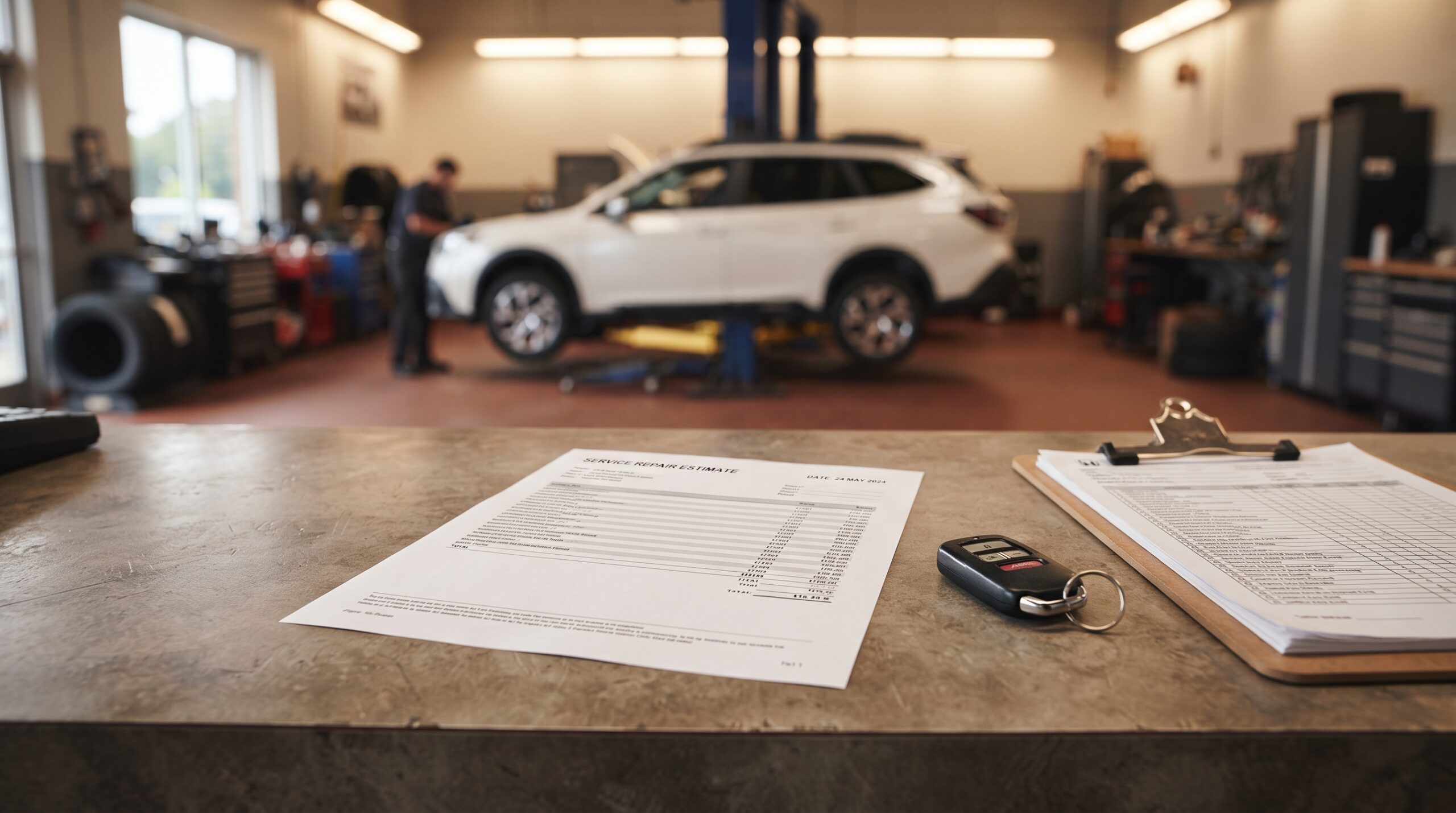
Dana’s shop quoted $1,150 to replace the low-pressure fuel pump in her 2018 Honda Accord after the check-engine light came on and the engine started stalling at idle. She paid the diagnostic fee and was ready to approve the repair. Before she signed anything, a coworker asked one question: had she checked for a recall? Two minutes later she had her answer. Campaign 20V314000, an open federal safety recall, covered the exact fuel pump failure her Accord was showing, fixed by any authorized Honda dealer at no charge.
How to Check in Two Minutes
Pull the 17-character vehicle identification number (VIN) off your registration, insurance card, or the sticker inside the driver’s side doorjamb. That string is a permanent ID tied to your exact car, not just its make and model, and it’s what a recall lookup actually searches against. A make-and-model-year search works too if you don’t have the VIN handy. It returns every recall ever issued for that model line, not just the ones still open on your specific car, so the VIN search is the faster path to a real answer. Run it before you approve a repair over a couple hundred dollars, not after the shop has already done the work. Watch for a match between what your service writer describes (a stall, a warning light, a specific noise) and a recall’s stated defect for your exact year, make, and model. If it matches, ask directly whether the job is recall work before you sign an authorization. Make this check a habit at every service visit, not just the expensive ones, since a small number of recalls cover routine-looking symptoms too.
What Free Actually Covers
The National Highway Traffic Safety Administration (NHTSA) is the federal agency that manages every open auto safety recall in the country. Its own recall database confirms the exact 2018-2019 Accord fuel pump campaign cited in this article. Once a campaign is open on your VIN, it covers parts, labor, and the diagnosis needed to confirm the fix, at any authorized dealer for that brand. It doesn’t matter if you’re the third owner, the car is fifteen years old, or the recall was issued five years before you bought it used. The Federal Trade Commission’s Auto Repair Basics guide lays out the consumer right underneath this: a shop needs your authorization before doing chargeable work. That’s exactly the moment a two-minute recall check can turn a real bill into zero.
Run Dana’s numbers. Quoted repair: $1,150. Recall status on her VIN: open, uncompleted, campaign 20V314000. Cost once she called the dealer and confirmed it: $0. $1,150 quoted minus $0 owed under the open recall equals $1,150 saved for two minutes of checking before she signed anything. She spent that time and a short dealer appointment instead of paying the full amount out of her own pocket. A recall check pays off the same way when the bill comes from a failed state inspection instead of a dashboard warning light; see what each failed-inspection item costs to fix before paying a shop to clear one.
The Parts That Show Up on Recalls Again and Again
Fuel pumps are a common one. AAA prices a standard fuel pump replacement at $1,150 to $1,400 for most vehicles. The full range runs $900 to $3,000 depending on the vehicle and whether the job needs a compact-sedan pump or a luxury-SUV assembly. That’s real money to spend on a repair a manufacturer might already owe you for free. Ignition switches, airbag inflators, brake lines, and powered liftgate motors turn up on recall campaigns just as often as fuel pumps do. A shop quoting you for any of them has no obligation to check for you first. That step is on you, every time, regardless of how much you trust the shop.
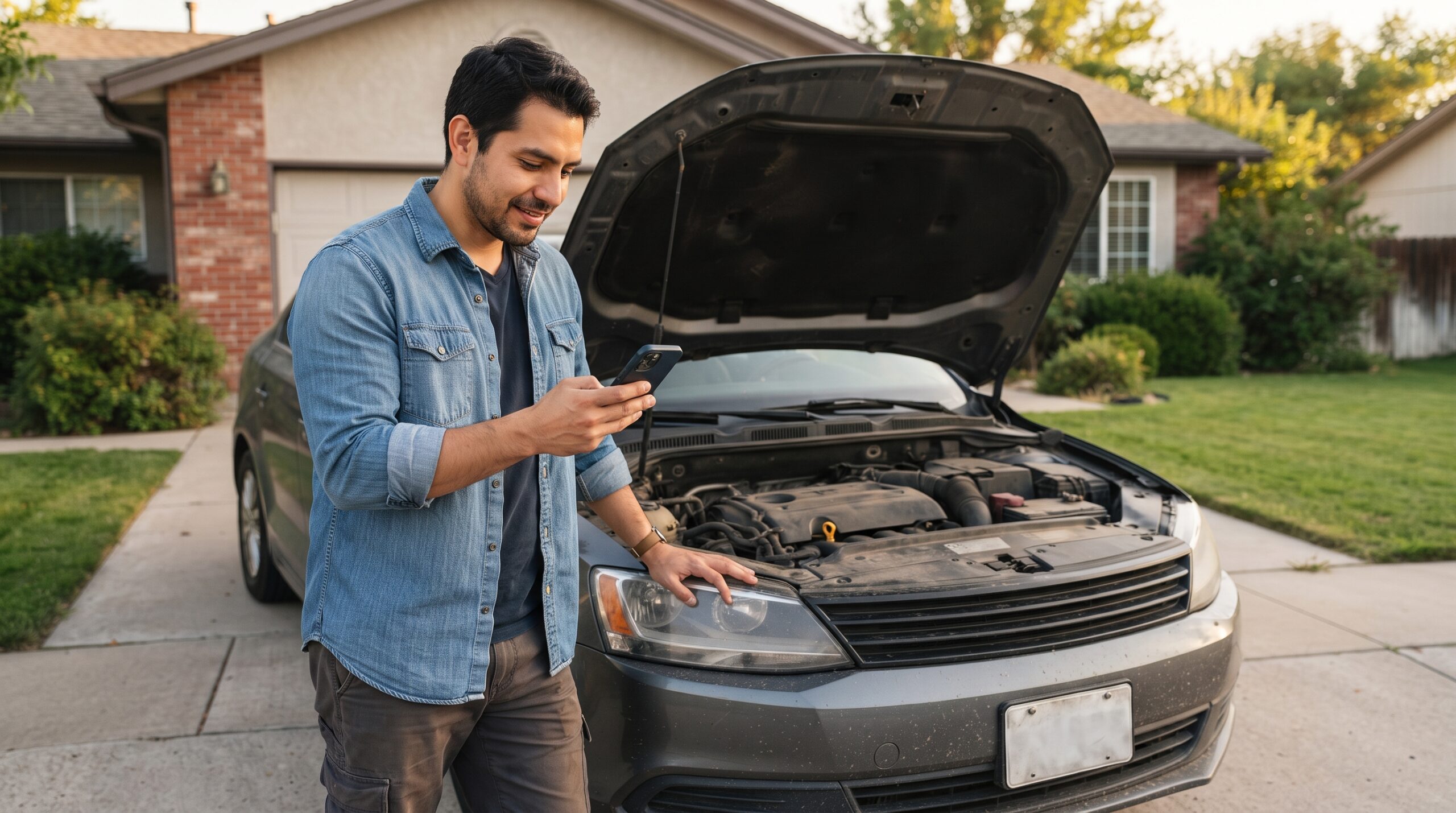
Independent shops especially have no way to see a manufacturer’s recall database automatically the way a franchise dealer’s service system does. An honest independent mechanic may genuinely not know a recall exists for the symptom right in front of them. That isn’t a red flag on the shop. It’s just a gap in the system that a two-minute check on your end closes completely, before anyone spends a dollar on a repair that was never yours to pay for. If the VIN comes back clean but the same part has a documented Technical Service Bulletin against it, the repair still is not automatically on you. A manufacturer goodwill claim built on that bulletin and your dealer service history is worth asking about before you pay full price.
| Scenario | Typical Cost |
|---|---|
| Compact or economy sedan, no recall | $1,200-$2,700 |
| SUV, no recall | $900-$2,900 |
| Luxury vehicle, no recall | $1,500-$3,000 |
| Confirmed open recall, any vehicle | $0 (parts, labor, and diagnosis covered) |
If a Dealer Stalls on Scheduling Your Fix
Once you’ve confirmed a repair isn’t recall work, the next question is whether the estimate itself is fair before you approve it. A dealer can’t refuse recall work and can’t charge you for it, but a parts backlog can still turn into a scheduling standoff. If a service department keeps pushing your appointment out for weeks, you have standing to call NHTSA’s Vehicle Safety Hotline and file a complaint. A documented pattern of delays across a dealership’s service department is exactly what regulators use to push a manufacturer to speed up its remedy. Keep the campaign number, your VIN, and the date you first called written down somewhere you can find again.
Checking for a recall is step one. If the check engine light is on for a different reason entirely, here is how to tell whether the code points to a cheap fix or an expensive one before you approve any repair. And if you are clearing that code yourself before an emissions test, know that the reset it triggers can fail the inspection on its own: a cleared code resets your readiness monitors too, and the light being off does not guarantee a pass.
Frequently Asked Questions
Does checking for a recall cost anything or take a long time? No, it’s free and takes about two minutes once you have your VIN. Call any dealer’s service department for that brand and give them the VIN, or use a make-and-model-year search if you don’t have it. They can confirm every open campaign against your exact car while you’re still on the phone.
Can an independent shop do a recall repair, or does it have to be a dealer? It has to be an authorized dealer for that brand, not any repair shop you choose. Manufacturers reimburse dealers directly for recall and warranty work, and that reimbursement arrangement doesn’t extend to independent shops, even ones you’ve trusted with every other repair for years.
I’m not the original owner. Does the recall still apply to me? Yes. A recall follows the vehicle identification number itself, not the person who originally bought the car new. It doesn’t matter how many owners the car has had since then. If the VIN carries an open campaign, you’re entitled to the free repair right now, today, regardless of your purchase history.
My shop already did the repair, and then I found the recall. Can I get my money back? Sometimes. Contact the manufacturer’s customer service line directly with your invoice and the campaign number, not the shop that did the work. Some brands reimburse a completed repair done shortly before or after a recall was issued, though the policy, the paperwork required, and the time window all vary by manufacturer.
Do recalls expire if enough time passes? No. An open recall stays open and stays free until that specific VIN gets the fix, even if that’s a decade or two later, with a different owner behind the wheel. Time alone never closes the manufacturer’s obligation. Only completing the actual repair does that.
Leave a Reply