6 min read · Last updated August 14, 2026
- A remanufactured alternator can run about 36% less than a new original equipment (OE) unit, and a used one pulled from a salvage yard can run close to 50% less.
- The Federal Trade Commission (FTC) classifies replacement parts into three categories: new, remanufactured/rebuilt/reconditioned, and salvage, and only one of those routinely carries a manufacturer warranty.
- Certified Automotive Parts Association (CAPA) certification tests collision body parts like fenders, hoods, and bumpers for fit and quality. It does not certify used brakes, airbags, or timing components.
- The Takata airbag recall, the largest in United States history, has been tied to 27 confirmed U.S. deaths and covered 67 million airbags across more than 42 million vehicles, which is why airbags sit on the never-used list.
In this article
- What “Used” Actually Means at a Recycling Yard
- Used vs. Remanufactured vs. New: What Each Option Actually Buys You
- The Alternator Math: Running the Numbers
- Three Categories Where Used Is Never the Right Call
- How to Verify What You’re Actually Buying
Marcus’s alternator died in a supermarket parking lot at 92,000 miles. The shop handed him three prices for the exact same repair. A new original equipment (OE) unit from the dealer ran $420, a remanufactured unit ran $270, and a used one pulled from a salvage yard ran $210. He went with the remanufactured part, the one that came with a real warranty behind it, and it’s still turning two years later.
What “Used” Actually Means at a Recycling Yard
A part labeled “used” from a salvage or recycling yard usually isn’t a random gamble. It’s what the industry calls recycled original equipment (OE): a genuine factory-made component pulled from a donor vehicle, tested, and resold. The Automotive Recyclers Association describes these parts as “genuine factory components,” not aftermarket substitutes, which is why they typically bolt in with the original fit and mounting points. That’s different from a “remanufactured” part, which has been disassembled, rebuilt to a documented spec, and had its wear components replaced before resale.
Reputable yards pull the part, bench-test what they can, and log the donor vehicle’s mileage before it goes on the shelf. There’s no single national grading authority that standardizes condition reports across every salvage yard, though, so the same part description at two different yards can mean different things in practice. That’s the gap a certified recycler’s written guarantee is meant to close, and it’s worth asking about directly instead of assuming every used listing carries the same backing.
Used vs. Remanufactured vs. New: What Each Option Actually Buys You
The trade-offs come down to cost, what backs the part if it fails, and what kind of repair it’s suited for. The FTC’s own parts breakdown puts it plainly. New parts vary in price and quality. Remanufactured parts are “restored to a sound working condition” and often carry a manufacturer warranty. Salvage parts are used “without alteration,” and their reliability is “seldom guaranteed” unless the recycler backs it separately.
Vehicle age and value should drive the choice as much as price. On a car worth $4,000, spending dealer prices on a new wear-item part rarely pencils out, so remanufactured or used is usually the better trade. On a newer vehicle still under its own warranty, mixing in a salvage part can complicate a future warranty claim, so new or remanufactured with paperwork attached is the safer call. There’s a separate labor-side cost too: buying the part yourself instead of letting the shop source it, most independent shops won’t put a labor warranty behind a part they didn’t sell.
That same age-and-value logic extends to the warranty attached to each option. How OEM, aftermarket, and remanufactured warranty terms actually compare is worth checking too, since the right tier for a 3-year-old car and a 10-year-old car can reasonably be opposite answers.
| Option | Typical cost vs. new OE | Warranty | Best for |
|---|---|---|---|
| Used (salvage/recycled OE) | 40-50% less | Reliability “seldom guaranteed” per FTC, unless a certified recycler backs it in writing | Cosmetic and non-safety mechanical parts on older vehicles |
| Remanufactured | 30-40% less | Often a manufacturer or reseller warranty per FTC | Wear-and-tear mechanical parts like alternators, starters, water pumps |
| New OE | Baseline price | Manufacturer warranty on the part | Safety-critical and high-liability systems |
The Alternator Math: Running the Numbers
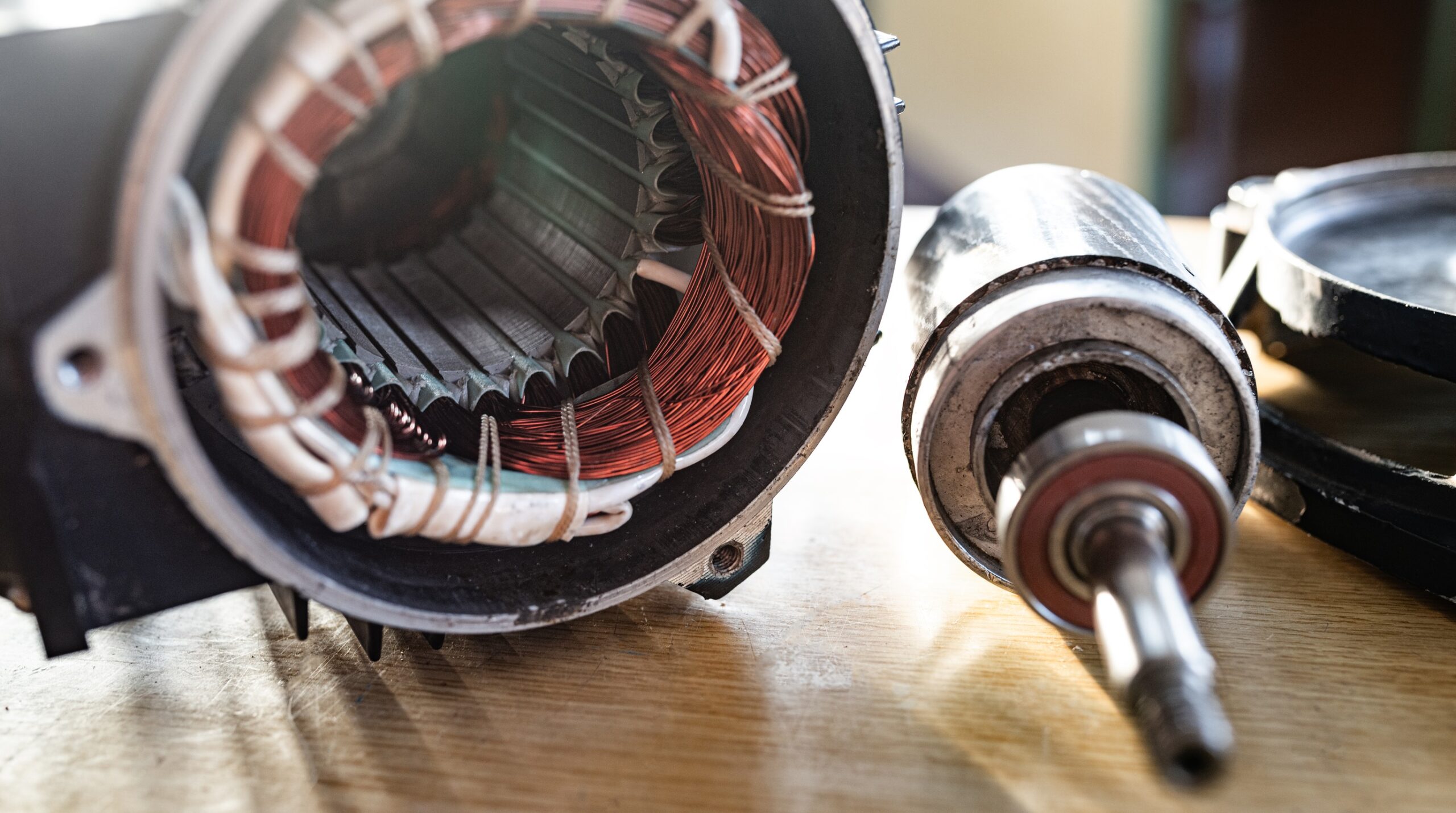
An alternator swap is also one of the jobs that a mobile mechanic can typically complete in a driveway, which adds a fourth price point worth calling around for before picking a part grade. Take Marcus’s three quotes and do the arithmetic. New OE alternator: $420. Remanufactured: $270, a savings of $150, or about 36% off the new price. Used from the salvage yard: $210, a savings of $210, or 50% off. On a part that fails from ordinary wear rather than a crash or a recall, the remanufactured option gave him most of the savings of the used part plus a warranty to back it. That’s the calculation worth running before any wear-item repair, not just alternators: compare the real math against the 50 percent rule instead of assuming new is always safer or used is always riskier.
Three Categories Where Used Is Never the Right Call
Brakes, airbags, and timing components (belts, chains, and their tensioners) don’t belong on the used-parts list, and the reasoning is different for each. Brake pads, rotors, and calipers wear unevenly based on a stranger’s driving habits, and that wear is invisible from the outside. Timing components fail catastrophically. If a timing belt or chain snaps, it can bend valves and total an engine on some designs. Airbags are the clearest case. The Insurance Institute for Highway Safety states that a deployed airbag must be replaced with an original equipment manufacturer part to rule out a counterfeit. A counterfeit airbag “may fail to deploy or release metal shrapnel during deployment.” The Takata inflator recall, the largest in U.S. history, covers 67 million airbags across more than 42 million vehicles and has been tied to 27 confirmed deaths and more than 400 injuries in the U.S. alone. None of that risk is worth a discount.
How to Verify What You’re Actually Buying
Ask what’s actually backing the part before you agree to it. CAPA certification, run by the Certified Automotive Parts Association, tests collision body parts including metal, plastic, and lighting components for fit, coating performance, and material integrity against published standards. It’s a real quality signal for a fender or bumper, but it doesn’t cover mechanical or safety-critical assemblies, so a CAPA seal on your hood tells you nothing about a used brake caliper. For any part, get the written estimate first. A properly itemized repair estimate should specify whether the part is new, remanufactured, or salvage, and your state may require the shop to disclose non-original parts before the work starts.
Frequently asked questions
Is a remanufactured part as good as a new one? For wear items like alternators, starters, and water pumps, a properly remanufactured part is rebuilt to a documented spec and tested before resale, and it usually carries a manufacturer warranty. It’s not the same for structural or safety-critical parts, where a documented rebuild spec often doesn’t exist.
How do I know if a used part has a warranty? Ask the recycler directly and get it in writing before you pay. Some yards, including those certified through the Automotive Recyclers Association’s Gold Seal program, provide written guarantees. Others sell parts with no reliability promise at all, which is exactly what the FTC warns salvage buyers to expect.
Does my insurance company decide which type of part gets used? Your insurer can specify a part type in a collision claim, and many policies default to aftermarket or recycled parts to control costs. You can usually request OE parts, though it may increase your out-of-pocket cost if your policy doesn’t cover the difference.
Can a shop use a used part without telling me? Many states require repair shops to disclose when non-original or used parts are being installed, and a proper written estimate should list the part type. If your estimate doesn’t specify, ask before you approve the repair, and get the answer added to the paperwork, not just spoken across the counter.
Leave a Reply